

Introduction
Caring for a horse after third eyelid removal surgery requires a dedicated and informed approach to ensure the horse's optimal recovery and ongoing comfort. This article will walk you through essential steps for post-operative care, offering insights from veterinary professionals and personal experiences.
Understanding the Procedure
Third eyelid removal is generally necessary when a horse suffers from conditions like neoplasia, potentially leading to issues such as squamous cell carcinoma (SCC), which is a common tumor in equines. The surgical procedure involves sedation, local anesthesia, and meticulous removal of the third eyelid to avoid complications such as corneal abrasions.
Preparing for Recovery
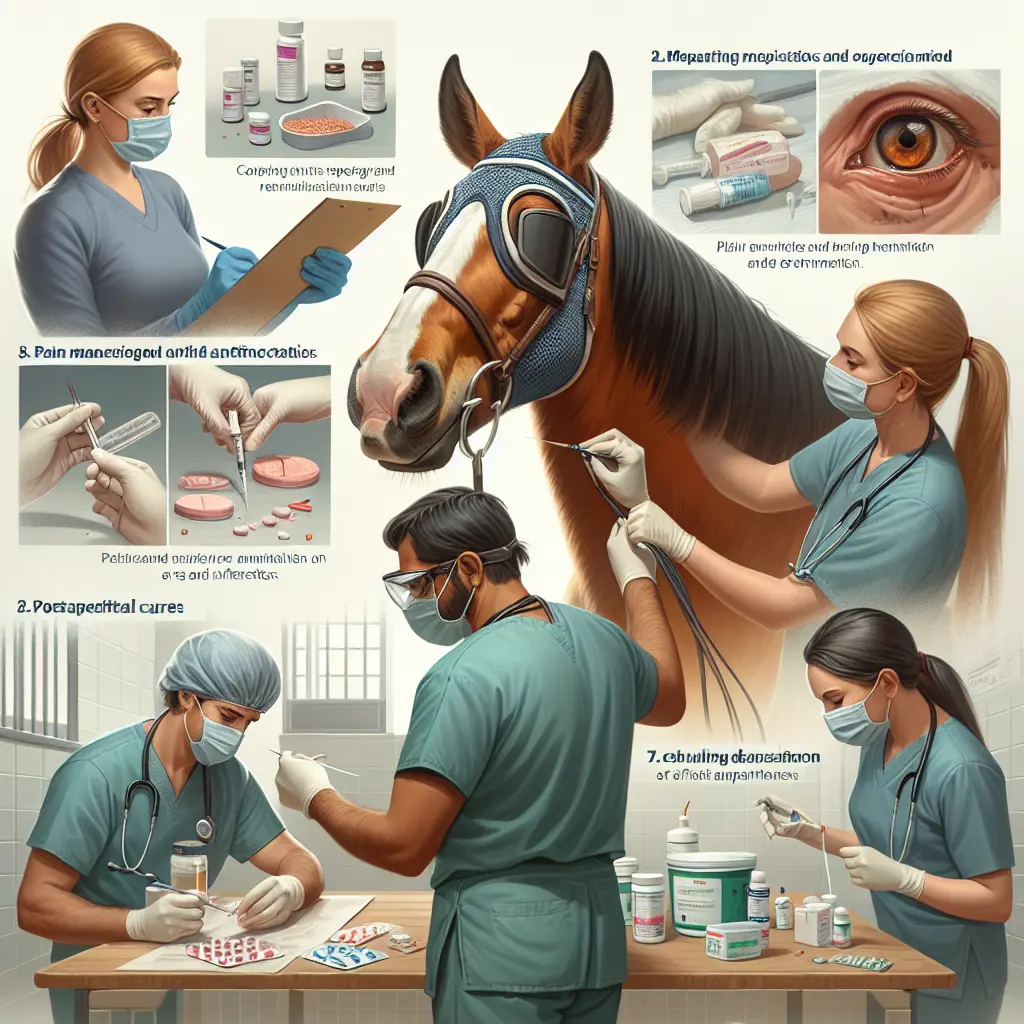
Preparation is a vital part of recovery. Before the surgery, consult with a veterinary specialist to formulate a comprehensive recovery plan. Ensure that all necessary medications and equipment are ready before your horse returns home.
Post-Surgery Care
Medication and Treatment
After surgery, your horse will require various medications to aid their recovery process:
- Topical Antibiotics: Essential for preventing infections, these should be applied for 5 to 7 days post-surgery as stated here.
- Oral Antibiotics and Anti-inflammatory Medications: These may be prescribed to alleviate pain and prevent infection.
Eye Protection
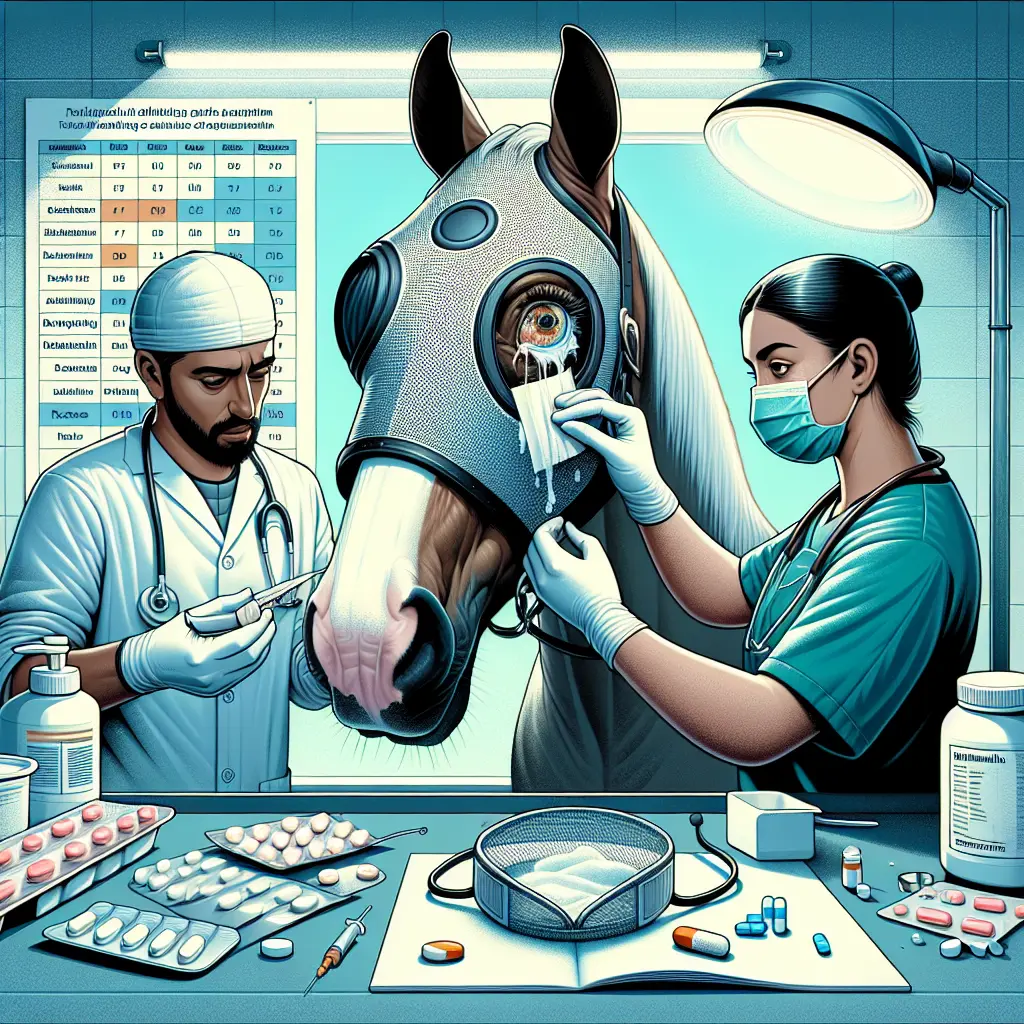
It's crucial to keep the eye protected from external elements. A fly mask can be instrumental in shielding your horse's eye from debris, thus helping reduce the risk of secondary infections.
Monitoring for Complications
Be vigilant for any signs of infection, which might include excessive discharge or swelling. If you observe anything unusual, promptly seek veterinary advice.
Pain Management
Non-steroidal anti-inflammatory drugs (NSAIDs) are frequently administered over a period of 3 to 5 days to manage discomfort and inflammation, ensuring your horse's comfort during recovery.
Follow-Up Care
Arrange follow-up appointments with your veterinarian to monitor the healing progress. This step is critical for a swift and successful recovery.
Tips for a Smooth Recovery
Consult a Specialist
Have the procedure performed by a veterinary ophthalmologist to minimize risks and ensure the best possible outcome for your horse.
Keep the Environment Clean
A clean and dust-free environment significantly reduces the chances of post-operative complications. Regularly clean the stable and consider using stable rugs to maintain a hygienic space.
Monitor Behavior
Changes in your horse's behavior could indicate discomfort or complications post-surgery. Keep a watchful eye and engage with your veterinarian if any concerning symptoms arise.
Practical Advice for Horse Owners
Ensure Comfortable Apparel
Dress your horse in comfortable attire that doesn't irritate post-surgery areas. Our extensive Jodhpur Collection offers breathable and snug fits.
Consider Pain-Relief Alternatives
Beyond prescribed medications, some owners find horse massages helpful in easing tension and promoting healing. Always consult with your vet before trying new treatments.
Supplemental Nutrition
Optimizing your horse's diet with the right supplements can bolster their immune system and promote faster recovery. Look into high-quality equine supplements designed to meet their unique needs.
Real Experiences and Case Studies
Owner Insights
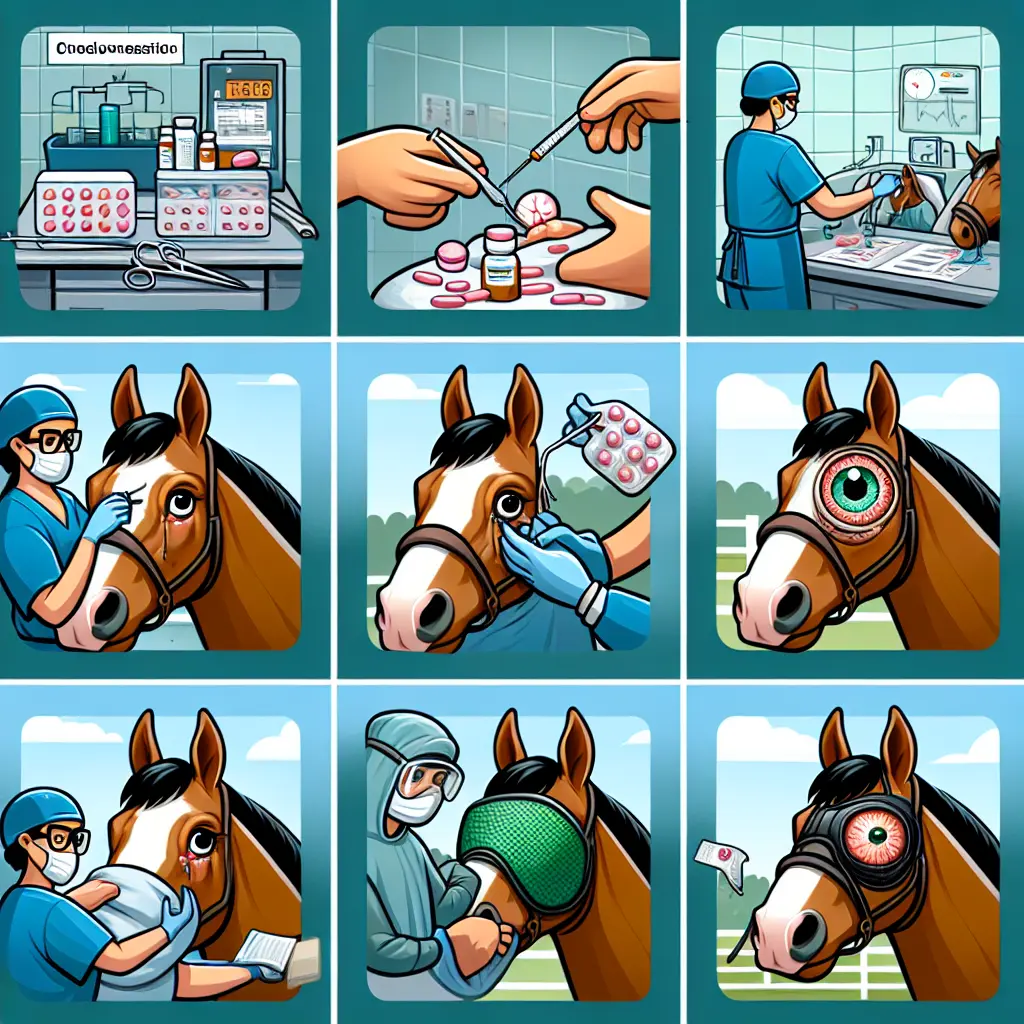
Many horse owners who've gone through this journey stress the importance of maintaining consistency with eye care routines to mitigate risks of infection. Sharing experiences can provide a sense of community and support, reinforcing recovery strategies.
Veterinarian Advice
Veterinarians often emphasize that every horse is unique. Regular check-ups and tailored advice ensure that your horse's needs are met precisely, leading to better recovery outcomes.
Conclusion
Caring for a horse post-third eyelid removal is a meticulous process involving thoughtful planning and care. By adhering to the recommended protocols of medication, protection, and monitoring, you can facilitate a smooth, effective recovery. Remember to engage with your vet regularly and consider resources like fly protection or horse treats and gifts to keep your equine friend comfortable and happy.