Understanding Eastern Equine Encephalitis and Its Impact
The recent incident of a New Jersey gelding testing positive for Eastern equine encephalitis (EEE) brings into focus the grave implications of this mosquito-borne disease. EEE is not only a significant concern for equine health but also poses a potential risk to humans. In this article, we'll explore the intricacies of EEE, preventative measures, and the importance of disease monitoring.
The Case of the New Jersey Gelding
In Burlington County, New Jersey, a 3-year-old gelding showed alarming health symptoms, including ataxia, muscle fasciculations, disorientation, and an inability to rise. Sadly, this led to the animal's euthanization on October 17, 2025. This marked the first confirmed EEE case in New Jersey for the year, shedding light on the need for vigilant tracking and responsive preventive strategies. This unfortunate event was highlighted by the Equine Disease Communication Center (EDCC), which plays a pivotal role in disseminating infectious disease information. (Source)
Exploring the EEE Virus
Eastern equine encephalitis is a severe mosquito-borne viral disease renowned for causing inflammation of brain tissue in horses. The concern amplifies because the mortality rate of EEE is significantly higher than that of West Nile Virus, another viral concern among equids. EEE primarily cycles between birds and mosquitoes, with horses and humans identified as dead-end hosts—they cannot transmit the virus to others or develop viral loads high enough to infect. However, the significant threat lies in the high fatality rate and potential for zoonotic transmission, meaning it can jump from animals to humans.
Preventative Strategies
Annual Vaccination: A Key Measure
The first line of defense against EEE is an annual vaccination. Licensed EEE vaccines play an essential role in fortifying the immunity of horses. Vaccinating not only aids in reducing infection risk but also ensures a regional buffer against potential outbreaks.
Mosquito Control: An Environmental Approach
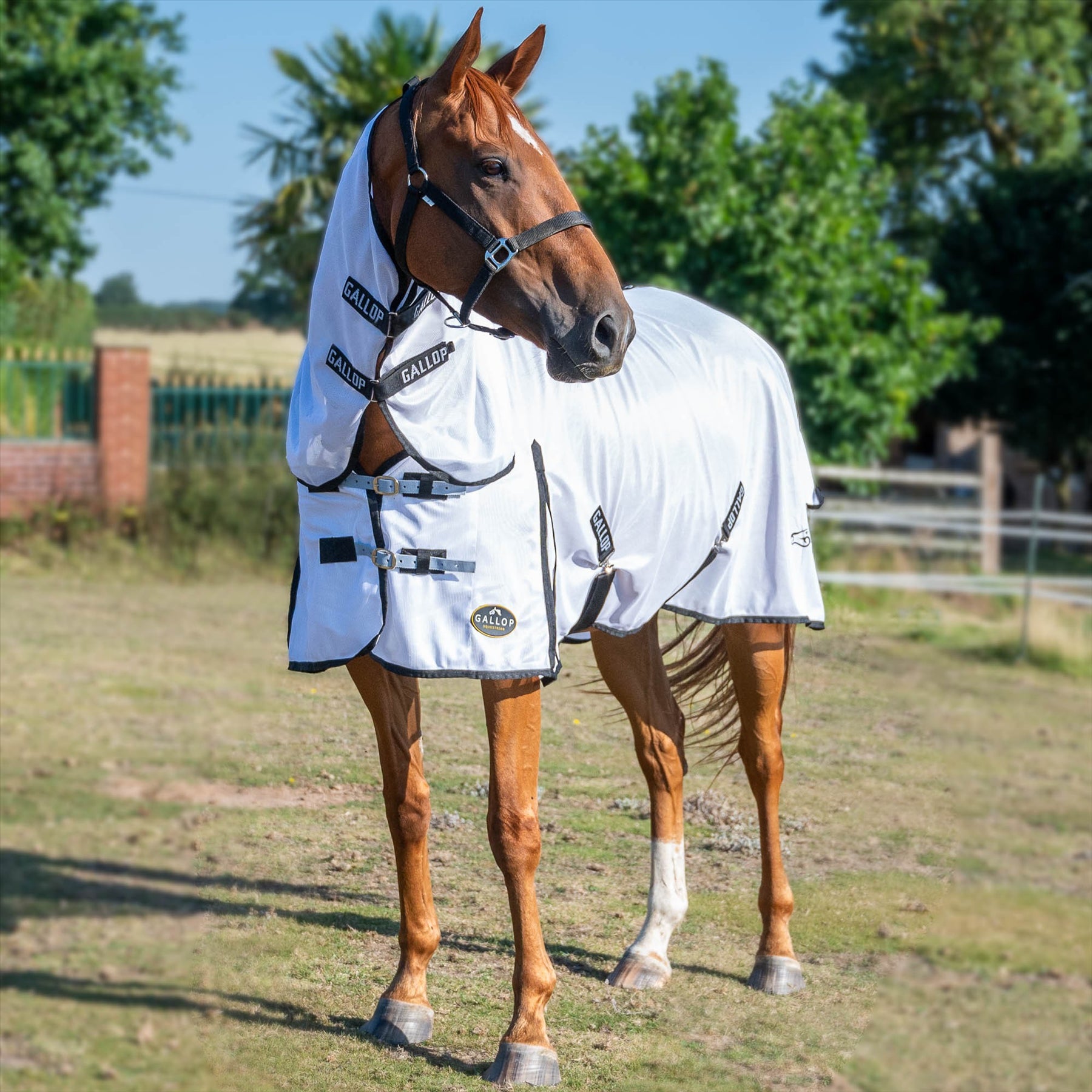
Alongside vaccination, effective mosquito control is vital. It's essential to remove potential mosquito breeding sites, such as standing water sources, and ensure that window screens and barriers are not compromised. In addition, using insect repellents containing DEET or picaridin offers an added protective layer for horses.
Timing Stabling Activities
As a proactive measure, it is advisable to stable horses during peak mosquito activity times—primarily dawn and dusk. This minimizes the exposure of horses to mosquitoes when they're most active, potentially reducing the risk of EEE transmission.
The Northeast's Battle with EEE
The heightened activity of the EEE virus in the northeastern United States has raised alarms. The response has included increased mosquito control measures, with some regions resorting to pesticide spraying to curb the mosquito population. The case of the New Jersey gelding is not isolated—EEE activity has been noted in various states, affecting not only equids but also wildlife species. These situations bolster the argument for sustained monitoring and intervention strategies.
The Role of Vigilance and Education
The recent EEE case underscores the significance of vigilance in equine health management. The Equine Disease Communication Center (EDCC) contributes by offering verified data and encouraging proactive management strategies. Educational efforts are crucial; understanding the nuances of EEE can empower communities to implement comprehensive health protocols, ensuring the safety of equine populations and reducing the risk of human spillover.
In summary, the fight against Eastern equine encephalitis requires a multi-faceted approach encompassing vaccination, environmental control, and community education. As we grapple with EEE's challenges, one thing is clear: proactive efforts are essential to safeguard both humans and equines from this deadly virus. Let's face it, no one wants to be remembered as the rider of a mosquito-bitten, virus-stricken horse.