Elevating Equine Performance: A Guide to Joint Health
Caring for a horse's joint health often spells the difference between an outstanding season and a struggling one. Especially as competitive seasons approach, attention towards equine joint health emerges as a pivotal concern for horse owners and trainers alike. Joint issues, specifically osteoarthritis (OA), left unmanaged, can take the wind out of your favorite champion's sails. Let's saddle up and delve into the essentials for maintaining optimal joint health in your athletic equines.
Decoding Osteoarthritis in Horses
Osteoarthritis is no walk in the park—it’s a chronic and progressive condition that causes pain, stiffness, and reduced mobility in your horse's joints. It usually starts with synovitis, which, if left unchecked, stirs up further inflammation affecting the cartilage and bone structure. According to multiple surveys, OA claims the rather dubious honor of being the most diagnosed condition among equines, clipping the wings of many a training and competition career. So, let’s better understand the steps to take to avoid it becoming the elephant in the stable.
The Right Track: Preventive Measures
Sure, you can’t put a horse in bubble wrap, but preventive steps play a significant role in ensuring your horse sidesteps OA. Here are a few trusty methods:
- Training Management: A careful and controlled gradual buildup in training can work wonders in minimizing the risk of joint injury.
- Nutritional Support: Feed your horse with a thoughtfully crafted diet rich in omega-3 fatty acids, antioxidants, and other joint-supporting nutrients.
- Regular Veterinary Checks: Don’t let joint issues simmer. Regular veterinary examinations can act as preemptive problem spotters, catching issues before they escalate.
Treatment Options: From Aches to Action
If preventive measures are the knight, then therapeutic options are the castle's very foundation. A host of treatment solutions are at your disposal, aiding in the effective management of OA:
- Pro-Stride Regenerative Joint Treatment: Using autologous conditioned plasma derived from your horse’s own bloodstream, this technique alleviates inflammation sans steroids.
- Alpha2 Macroglobulin: Acting as a high-octane anti-inflammatory, this molecule sourced from the horse's own blood bypasses the negative side effects often associated with steroids, enabling treatment across multiple joints.
- Hyaluronic Acid (HA) Therapy: Naturally abundant in joint areas, HA therapy steps in to enhance synovial fluid quality, reducing inflammation effortlessly.
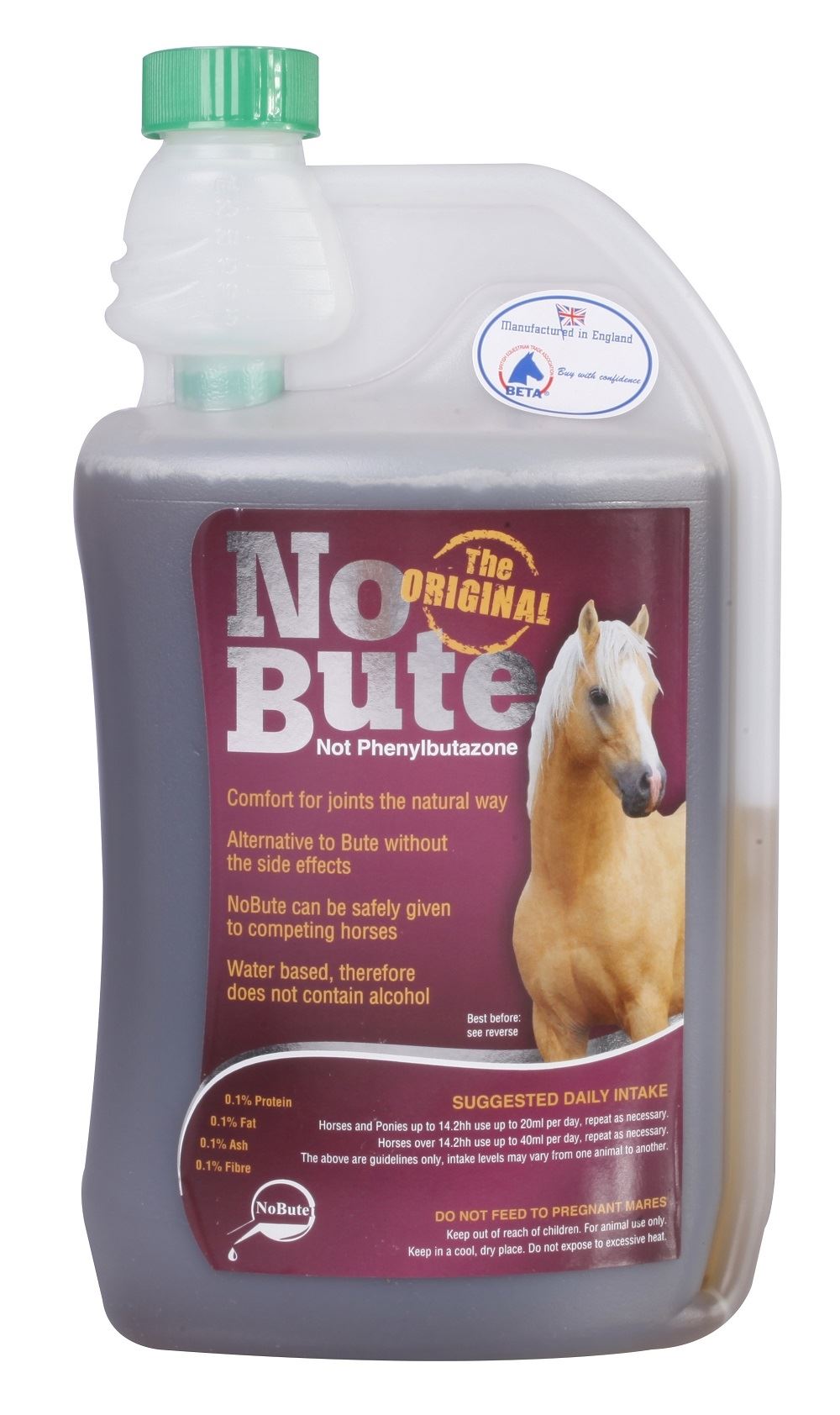
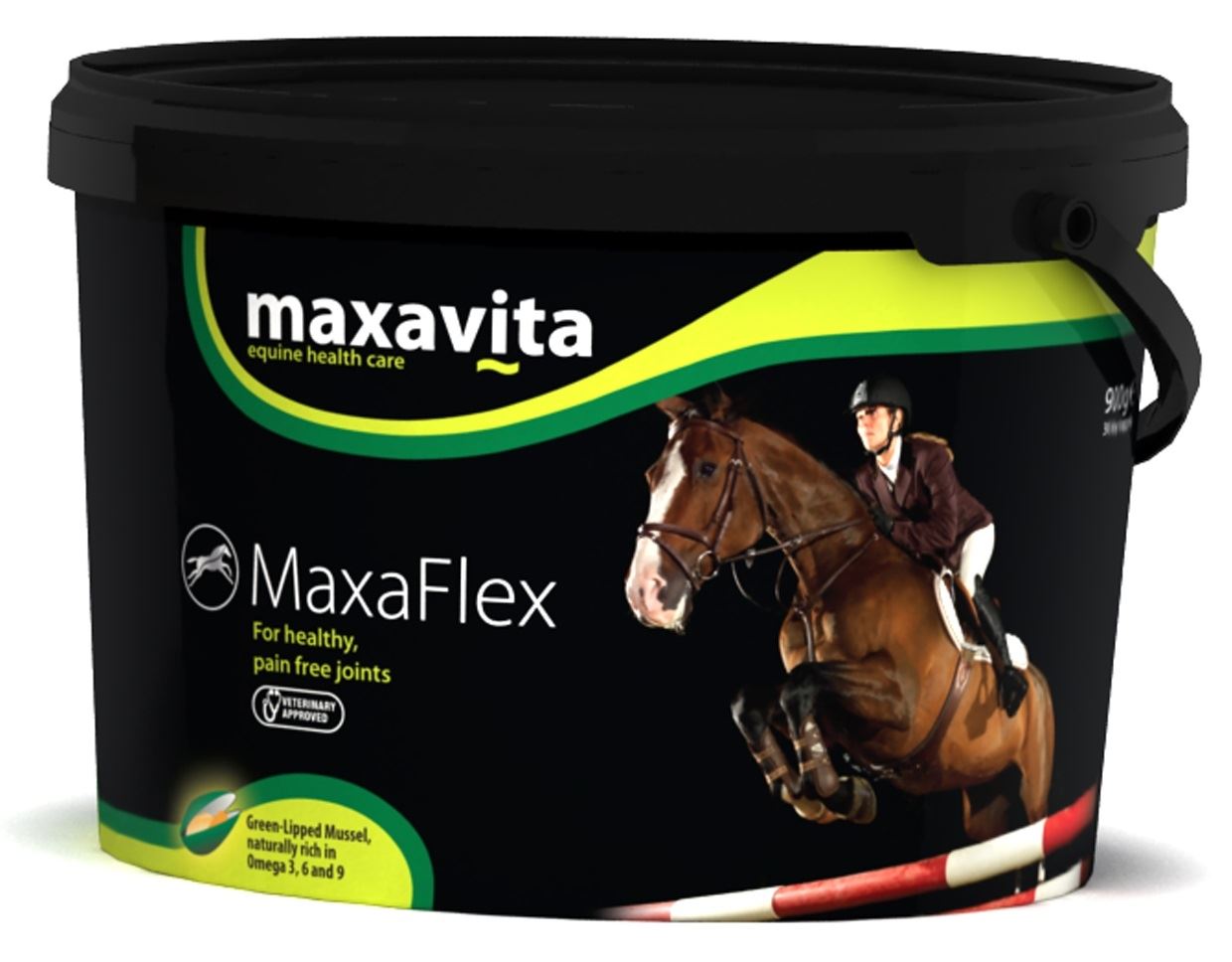
- Joint Supplements: Reinforce your steed's strength with supplements like MSM and glucosamine that work tirelessly to maintain cartilage integrity and joint fluidity.
The Ripple Effect: Performance Matters
It’s no surprise that joint issues can throw a wrench into carefully laid competition plans. To give some perspective, time off due to fetlock and hock joint problems could be about two weeks, while stifle and coffin joint issues may prescribe a six-month sabbatical. This highlights why top-notch joint health is essential for ensuring the longevity of our prancing athletes on competitive grounds.
Future of Equine Joint Health: A Glimpse into Modern Horizons
The future calls for a more holistic approach to equine joint care. Strides in regenerative medicine and nutritional science emerge as promising directions, catering to the evolving needs of joint health management. Research exploring preventive training strategies and comparative studies among breeds and disciplines draws valuable intersecting lines between knowledge and application.
In conclusion, championing equine joint health is not just veterinarian speak—it's a riding philosophy. By mixing preventive measures with advanced therapeutic therapies, horse owners and trainers have the proverbial toolkit to ride towards a successful season, keeping joint issues from becoming the unwelcome guests at their triumph banquet.