Bucas: Muddy Fields To Smart Rugs: Bucas Rug – Innovation, Comfort & Horse Rug Technology
From Muddy Fields to Smart Rugs: Why Bucas Has Changed How We Rug Our Horses
If you’ve spent any real time around horses, you’ll know that rugging is both a science and an art. One day it’s mild and drizzly, the next it’s cold and windy, and suddenly your horse’s wardrobe looks more complicated than your own. Over the last four decades, one brand has consistently tried to simplify that puzzle: Bucas. Known for their innovative approach to horse rugs, Bucas has helped riders move from heavy, awkward rugs to smart, technical designs that adapt to the horse and the weather. In this guide we’ll explore the history behind the brand, the technology inside their rugs, and why many riders consider Bucas the intelligent choice for equine comfort.
The Story Behind Bucas
Bucas began its journey in 1981 in Cork, Ireland, a country deeply rooted in equestrian culture. From the beginning, the company focused on creating products that could handle the unpredictable Irish climate while still delivering comfort for the horse. According to the official Bucas brand history, more than 90% of Bucas products were exported in the early years, meaning their rugs had to perform equally well in Europe, Scandinavia, and North America. That early global demand pushed the brand toward constant innovation and rigorous product testing.
What started as a small company quickly grew into a respected international name in the equestrian industry. Today Bucas produces a wide range of high-performance horse rugs, fly protection gear, and riding accessories used by riders from leisure owners to professional competitors. The brand’s reputation rests on a simple philosophy: comfort for the horse should never be compromised by practicality for the rider.
Why Rug Technology Matters
Rugging might sound simple—put a blanket on your horse and head to the tack room—but the reality is far more complex. Horses generate a surprising amount of heat when working or even standing outdoors. If a rug traps too much moisture, it can cause sweating, chills, and skin irritation. If it isn’t waterproof or durable enough, the rug may fail entirely in bad weather. Bucas recognised this problem early and began developing breathable, weather-resistant fabrics designed specifically for equine use.
By the early 1980s, traditional New Zealand rugs were still common. These heavy canvas rugs absorbed water and took a long time to dry. Bucas introduced lightweight, water-resistant turnout rugs that were far easier to manage and significantly more comfortable for horses. According to equestrian equipment research shared by industry suppliers, these improvements helped reshape the design of modern turnout rugs across the industry.
Innovation That Changed Horse Rugs
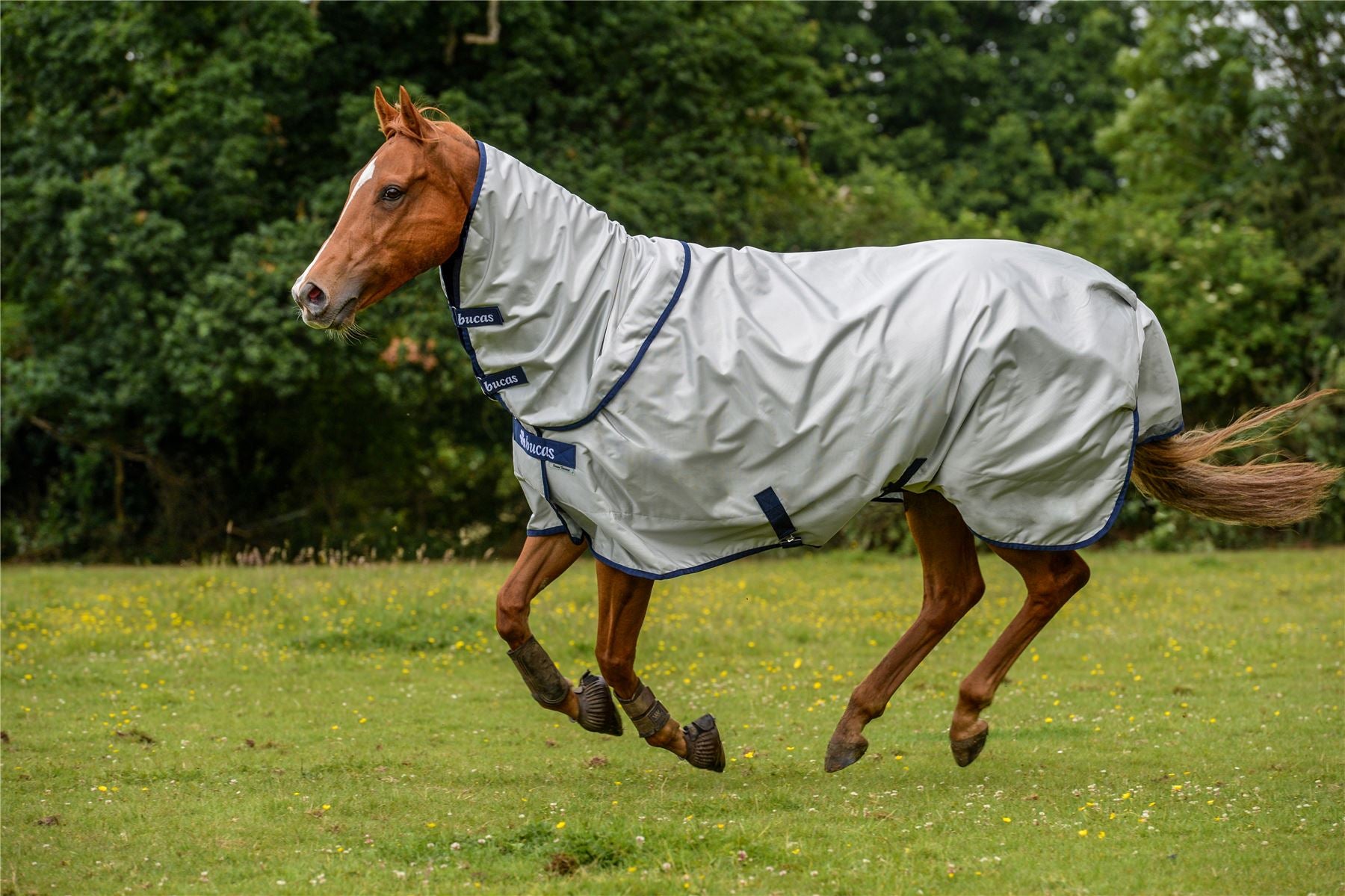
One of Bucas’s most significant contributions to equestrian equipment is the development of waterproof yet breathable fabrics. A rug that traps moisture can lead to overheating and discomfort. Bucas tackled this by designing fabrics that allow water vapour to escape while preventing rain from penetrating the outer layer. The result is a rug that keeps horses dry without creating a humid micro-climate beneath it.
Another breakthrough was the brand’s famous Stay-Dry lining. This fleece-like lining actively pulls moisture away from the horse’s skin, meaning you can often rug a slightly damp horse after exercise without worrying about chills. The technology works by wicking sweat outward through the fabric layers, allowing it to evaporate quickly while the horse remains comfortable.
The Rise of Smart Rugging
Modern horse owners expect their equipment to work smarter, not harder. Instead of maintaining half a dozen rugs for every weather scenario, riders increasingly want versatile rugs that adapt to changing conditions. Bucas has embraced this philosophy with multi-purpose designs that combine insulation, breathability, and durability in a single product.
For example, some Bucas rugs feature thermo-reflective coatings that help retain body heat during cold conditions while still allowing excess warmth to escape. This technology helps horses maintain a stable body temperature even when outdoor temperatures fluctuate dramatically—a common challenge during spring and autumn in the UK.
Therapeutic Innovation for Horses
Beyond weather protection, Bucas has also explored the world of therapeutic fabrics. These rugs are designed to support circulation, muscle recovery, and general comfort for horses in training or rehabilitation.
A great example is the Bucas Therapy Turnout Neck. This rug incorporates Recuptex stainless-steel mesh technology, which reflects magnetic fields naturally generated by the horse’s body. The reflection of these fields may help stimulate circulation and oxygen flow, potentially reducing swelling and aiding recovery. Unlike magnetic rugs that require time limits, Recuptex fabrics can often be used for extended periods, making them practical for everyday management.
Many riders choose therapy rugs for horses that are slow to warm up, recovering from training, or managing minor stiffness. While they are not a replacement for veterinary care, they can become a useful part of a broader equine wellness routine.
Summer Comfort and Fly Protection
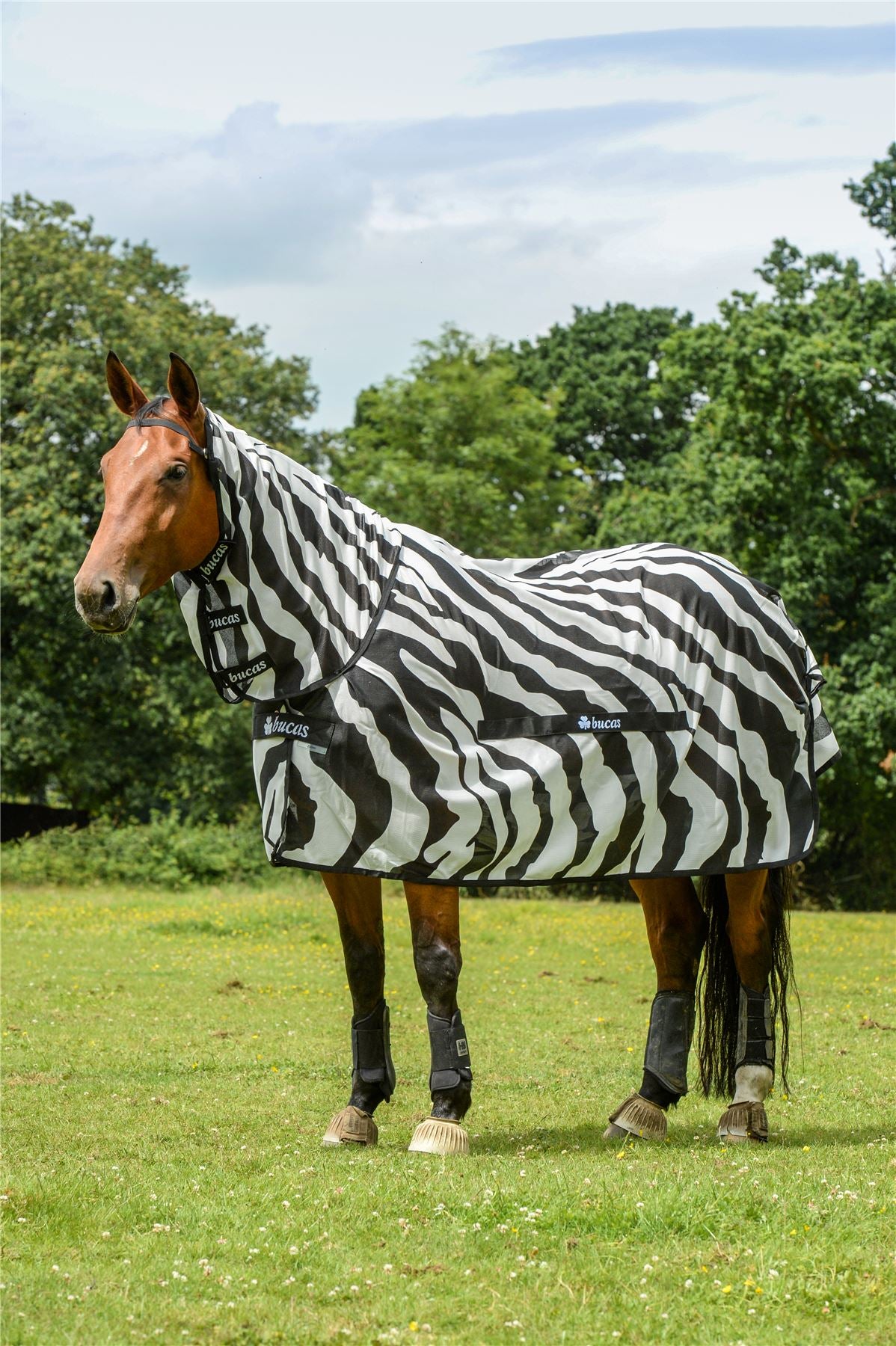
As every horse owner knows, summer brings its own challenges. Flies and insects can cause irritation, stress, and even skin infections. Research has shown that flies are particularly sensitive to patterns and contrast, which is why zebra stripes can confuse their visual systems. Bucas incorporated this insight into its famous Buzz-Off Zebra fly protection range.
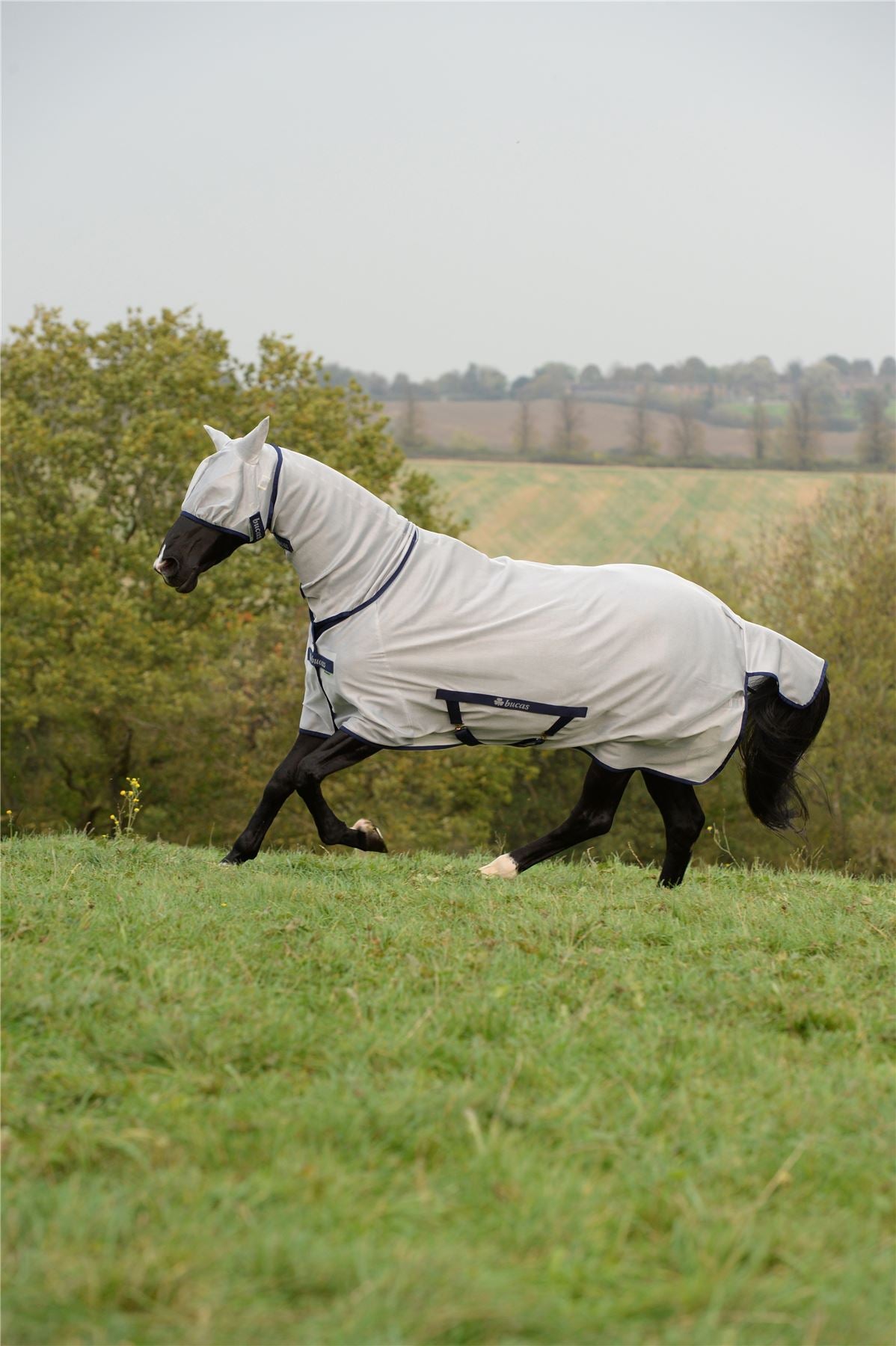
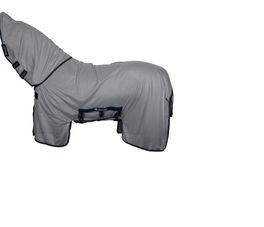
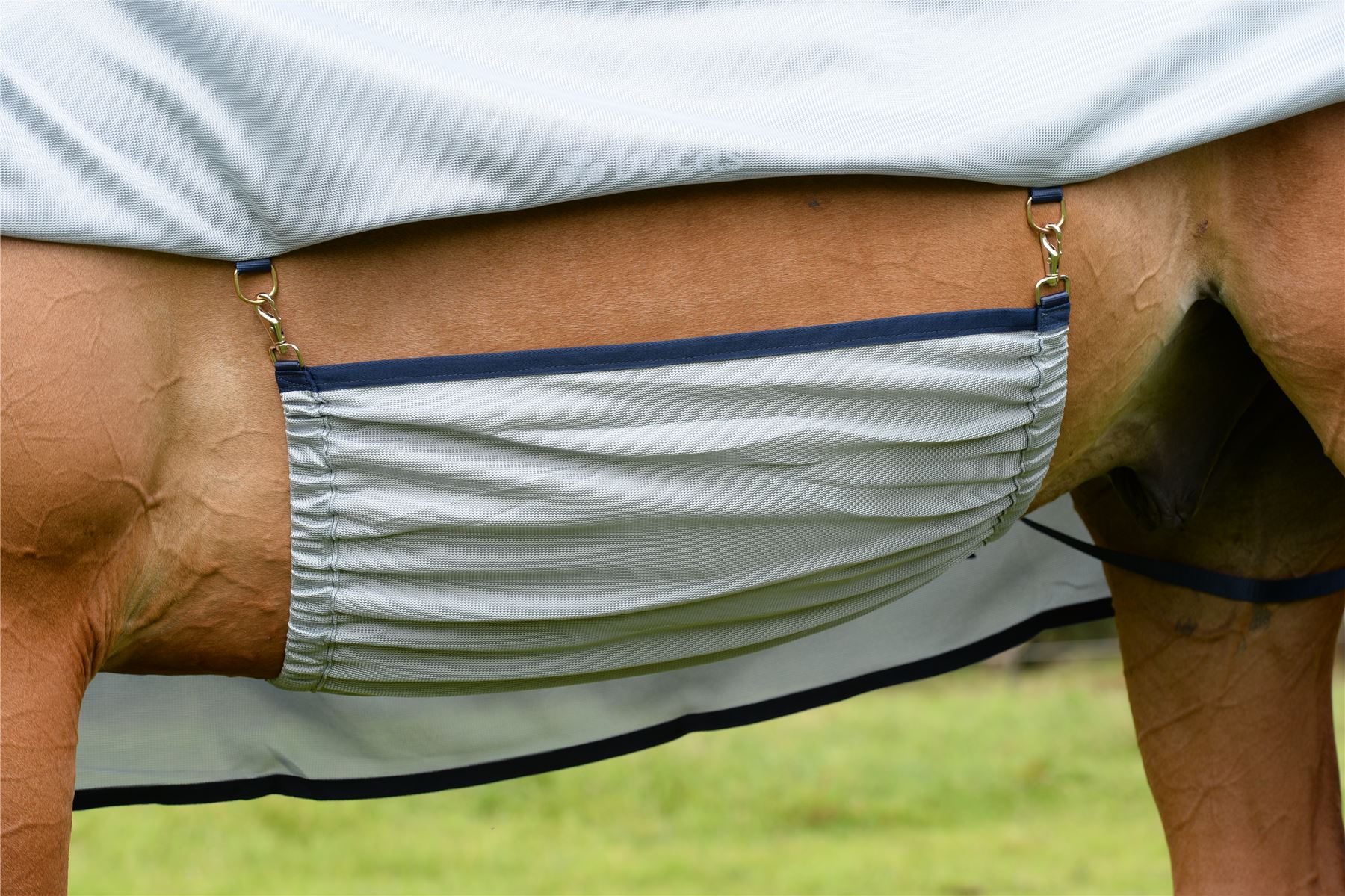
The Bucas Buzz-Off Zebra Full Neck Fly Rug uses a specially developed lightweight mesh fabric designed to block even small insects. The zebra stripe pattern helps deter flies, while features like a belly pad, elastic browband, and large tail flap provide full coverage. For horses that spend long hours grazing outdoors, this type of protection can make a huge difference to comfort and wellbeing.
Fly protection products like these work especially well when paired with a full range of horse fly protection equipment, ensuring that sensitive areas such as the face and ears remain shielded from biting insects.
Protecting Sensitive Areas
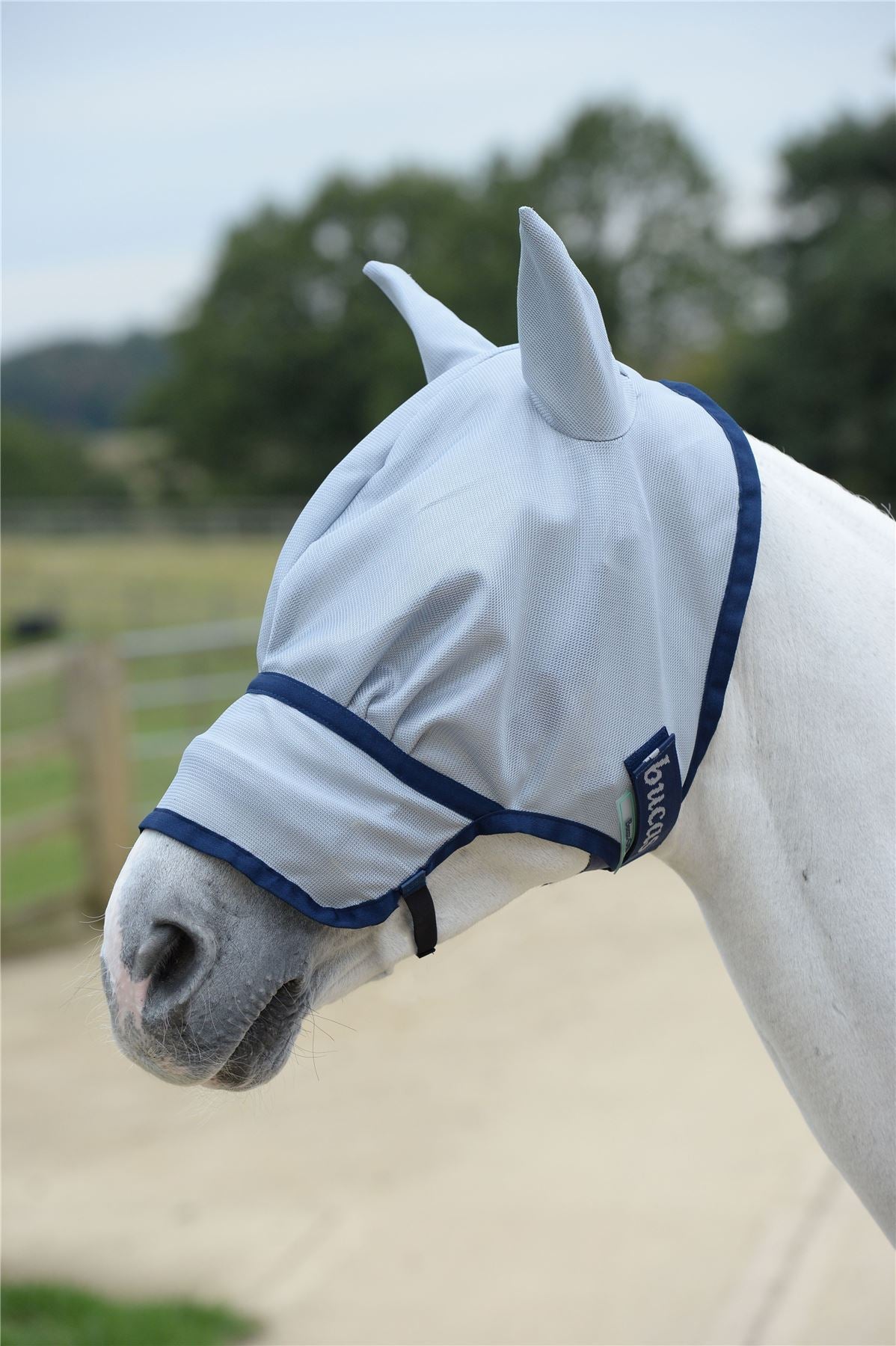
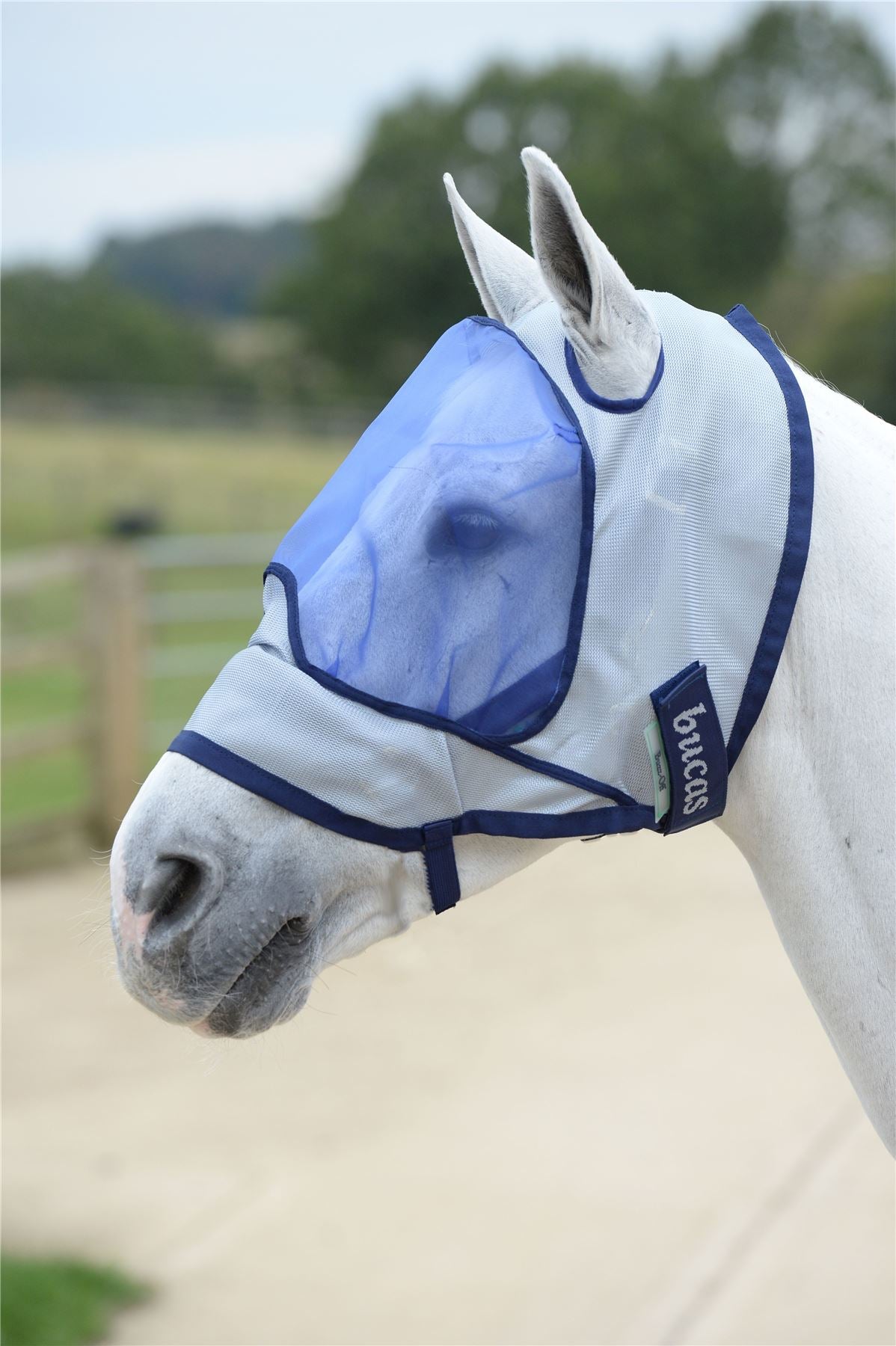
Some horses are particularly sensitive around the face and nose, making additional protection essential. The Bucas Buzz-Off Extended Nose Fly Mask is designed to protect the eyes, ears, and muzzle from insects and sunlight. Its mesh fabric allows airflow while still creating a barrier against flies. Clever features such as elasticated straps and secure closures help keep the mask comfortably in place while the horse grazes.
This type of equipment highlights Bucas’s attention to practical detail. Small design touches—like darts that keep the mesh away from the horse’s eyes—can make a huge difference in everyday comfort and usability.
Style Meets Function
While horse comfort is always the priority, riders also appreciate equipment that looks smart. Bucas has embraced this balance between performance and aesthetics with accessories designed to complement modern riding gear.
The Bucas Emerald Saddle Pad showcases this approach perfectly. Made with durable cotton twill and a breathable waffle lining, it combines elegant appearance with functional design. Riders who value coordinated tack often pair saddle pads like this with practical riding essentials such as jodhpurs, riding boots, and comfortable horse riding gloves.
Bucas Beyond Horses
Interestingly, Bucas technology isn’t limited to equine products. The same ideas behind circulation support and weather protection have been adapted for canine companions as well.
The Bucas Therapy Dog Rug uses similar Recuptex technology to support circulation and help warm muscles in working or older dogs. Like the horse version, it features a waterproof breathable outer fabric and comfortable fit. It’s a clever reminder that innovation in equestrian equipment can often benefit other animals as well.
Supporting Everyday Horse Care
Great rugs are only part of a horse’s wellbeing routine. Nutrition, grooming, and stable management all play a role in keeping horses healthy. Many riders complement their rugging strategy with balanced feeding and targeted supplements. Products from collections such as everyday horse vitamins and supplements can support overall health alongside proper turnout and stable management.
Likewise, choosing the right rug type is important. Some horses benefit from lightweight stable rugs indoors, while others require heavier turnout protection in wet conditions. Exploring different options like stable rugs or turnout rugs can help owners tailor their horse’s wardrobe to the climate and management style.
Bucas in Professional Sport
High-performance products often prove themselves on the competition stage. Bucas has supported elite equestrian teams and organisations, including partnerships with national equestrian bodies. When equipment performs under the pressure of top-level sport, it offers reassurance that the same technology can stand up to everyday use in the field or stable.
For professional riders, reliability is crucial. A rug that slips, rubs, or fails in bad weather isn’t just inconvenient—it can affect a horse’s health and performance. Bucas’s long-standing focus on durability, breathable fabrics, and secure fittings has helped build its reputation among competitive riders worldwide.
Why Riders Continue to Choose Bucas
After more than four decades, Bucas remains one of the most recognised names in horse rug design. The brand’s success comes down to a combination of innovation, durability, and practical problem-solving. Riders appreciate rugs that can be used on damp horses, fabrics that resist wear and tear, and designs that stay in place even during enthusiastic field antics.
Just as importantly, Bucas rugs aim to simplify horse care. Instead of switching rugs multiple times a day, many designs allow horses to stay comfortable across a wider range of temperatures. For busy owners juggling work, riding, and stable chores, that convenience can make a real difference.
Final Thoughts
From its beginnings in Ireland to its global reputation today, Bucas has consistently focused on making life easier for both horses and riders. By blending technical fabrics, thoughtful design, and real-world testing, the brand has helped redefine what modern horse rugs can do. Whether it’s advanced turnout protection, innovative fly rugs, or therapeutic fabrics that support recovery, Bucas continues to push the boundaries of equestrian equipment.
For riders looking to upgrade their horse’s wardrobe, exploring the Bucas range can be a great starting point. After all, a comfortable horse is a happy horse—and when your horse is comfortable, every ride feels just a little bit better.
Asked By You: Common Questions About Horse Rugs
Horse owners ask plenty of practical questions when choosing the right rug, and for good reason. A rug isn’t just a piece of equipment — it plays a role in comfort, temperature regulation, and overall horse welfare. Below we answer some of the most common questions riders ask when deciding which rug is best for their horse.
How do you know if a rug is high quality?
A high-quality horse rug is usually defined by durability, weather protection, and thoughtful design features. One of the most important indicators is the outer fabric strength, often measured in “denier,” which reflects how resistant the fabric is to tearing or abrasion. Rugs with stronger materials such as ballistic nylon or reinforced ripstop fabrics tend to last longer in the field, especially if your horse enjoys rolling in muddy paddocks.
Another sign of quality is waterproof and breathable construction. A rug that traps moisture inside can cause sweating and discomfort, while a properly breathable rug allows moisture vapour to escape while keeping rain out. High-end rugs also include practical features such as secure fastenings, shoulder darts for better movement, and smooth linings that help prevent rubbing.
Good fit is equally important. A quality rug should sit comfortably on the horse’s shoulders and chest, stay balanced when the horse moves, and provide adequate coverage of the body and tail area. When these design details come together, the result is a rug that protects the horse while remaining comfortable for long periods of wear.
What temperature can you use a Bucas rug?
The temperature range for a Bucas rug depends on the specific model and the level of insulation it provides. Many Bucas rugs are designed with temperature-adaptive technology, meaning they can be worn across a wider range of weather conditions than traditional rugs. Some turnout rugs, for example, are engineered to remain comfortable from roughly -10°C up to around +16°C when used on a clipped horse, thanks to breathable fabrics and heat-reflective layers.
Of course, temperature is only part of the equation. Factors such as whether your horse is clipped, how much shelter is available, and the horse’s individual metabolism all influence rug choice. A hardy native pony might be comfortable in a lighter rug at lower temperatures, while a clipped competition horse may need additional insulation. The key is to monitor your horse regularly and look for signs of overheating or chilling.
Is 1200 denier more waterproof than 600?
This is a common misunderstanding. The denier rating actually measures the strength and thickness of the fabric fibres, not the level of waterproofing. A 1200-denier fabric is generally stronger and more resistant to tearing than a 600-denier fabric, making it better suited for horses that are hard on their rugs or spend lots of time outdoors.
Waterproof performance, on the other hand, comes from the coating or membrane applied to the fabric. Two rugs could have the same waterproof rating even if their denier values differ. For example, a 600-denier rug with a high-quality waterproof coating may keep rain out just as effectively as a heavier 1200-denier rug. The denier primarily influences durability rather than water resistance.
In practical terms, many riders choose higher denier rugs for turnout because they stand up better to rough play, fences, and enthusiastic rolling sessions in muddy fields.
What is the warmest horse rug?
The warmest horse rugs are typically heavy-weight winter rugs designed with thick insulation layers and heat-retaining fabrics. Some winter rugs contain 300 grams or more of insulating fill, while advanced designs use reflective linings to help retain the horse’s natural body heat. These rugs are commonly used in cold climates or for clipped horses that have lost their natural coat protection.
However, warmth doesn’t always mean the thickest rug available. A well-designed rug that combines insulation with breathability can actually keep a horse more comfortable than an overly heavy rug that traps moisture. The ideal winter rug should balance insulation, breathability, and weather protection, allowing the horse to stay warm without overheating.
Ultimately, the warmest rug is the one that suits your horse’s lifestyle, environment, and coat condition. Observing your horse regularly—feeling under the rug for warmth and dryness—is often the best way to ensure your rugging strategy is working effectively.