
Riding Helmets & Hats
Safety first, every ride.
Riding hats, skull caps and show hats from Gatehouse, John Whitaker, Uvex and Premier Equine — always professionally fitted, and replaced after any fall.
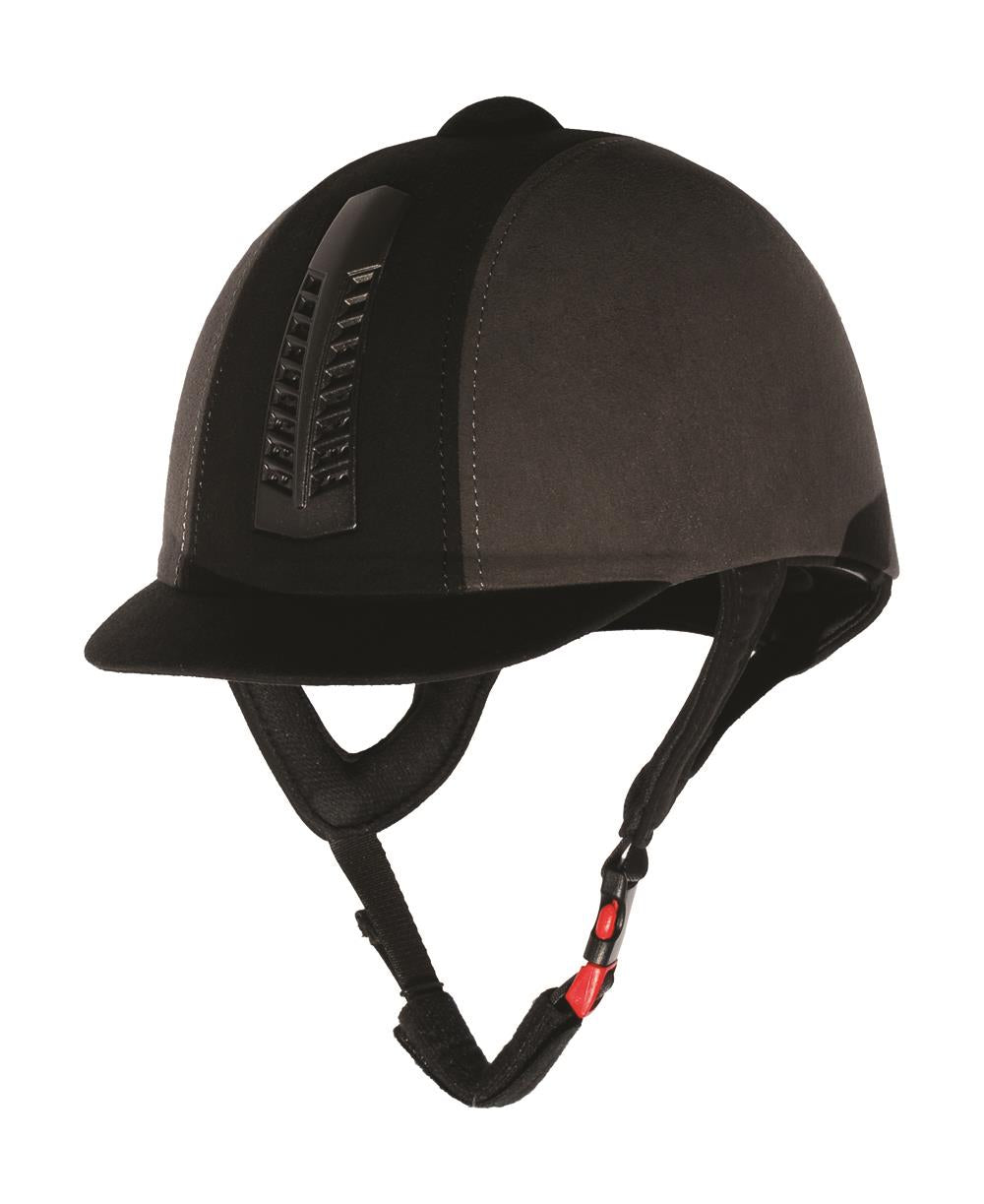
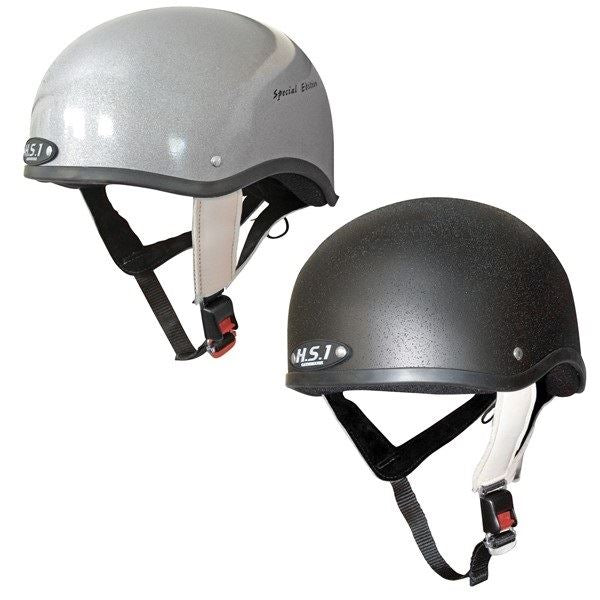
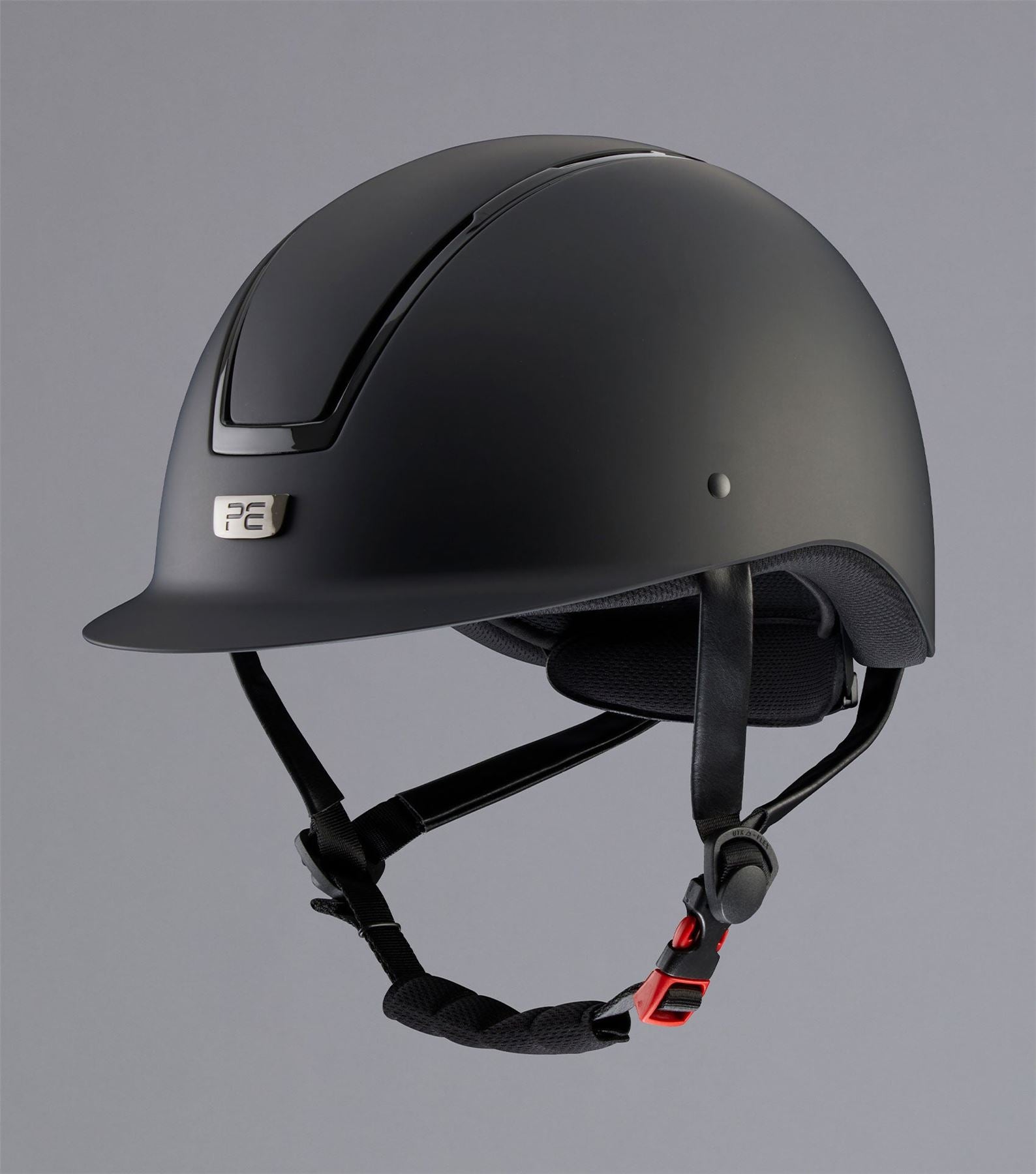
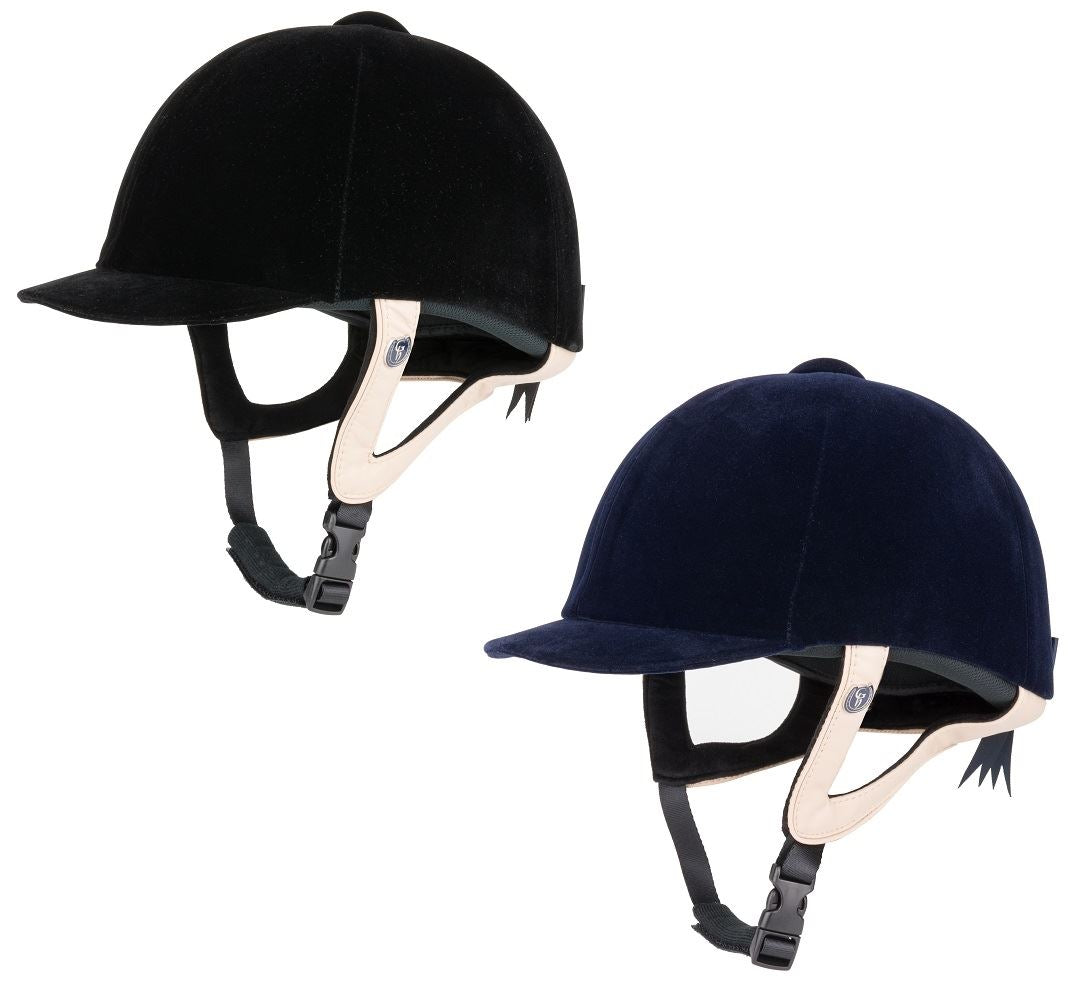

Riding Helmets & Hats
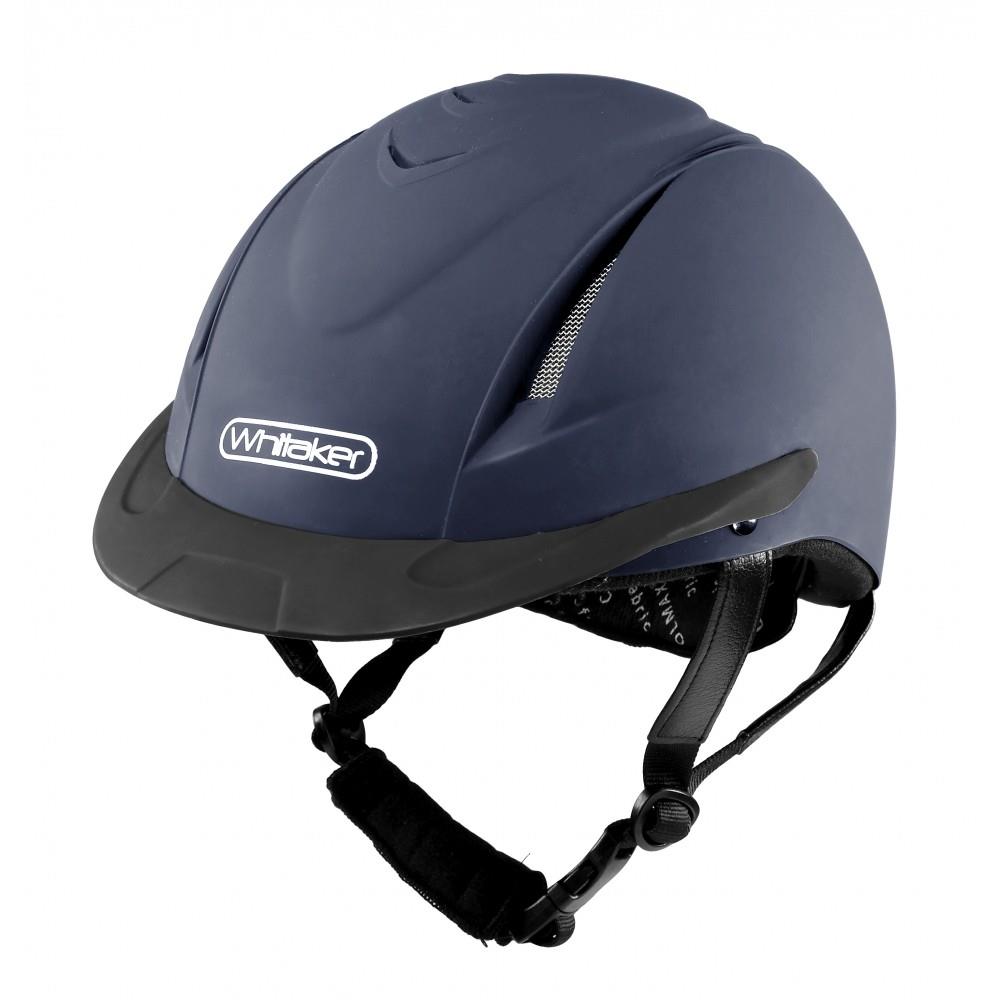
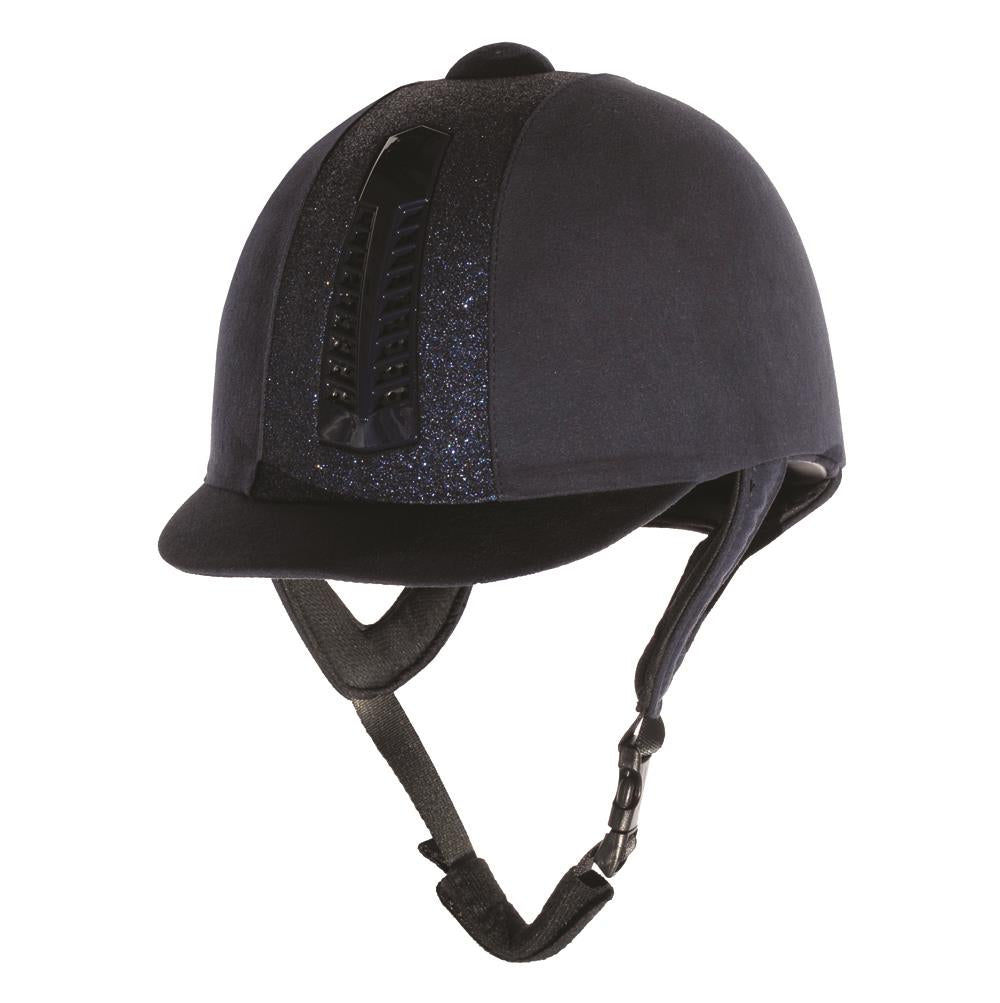
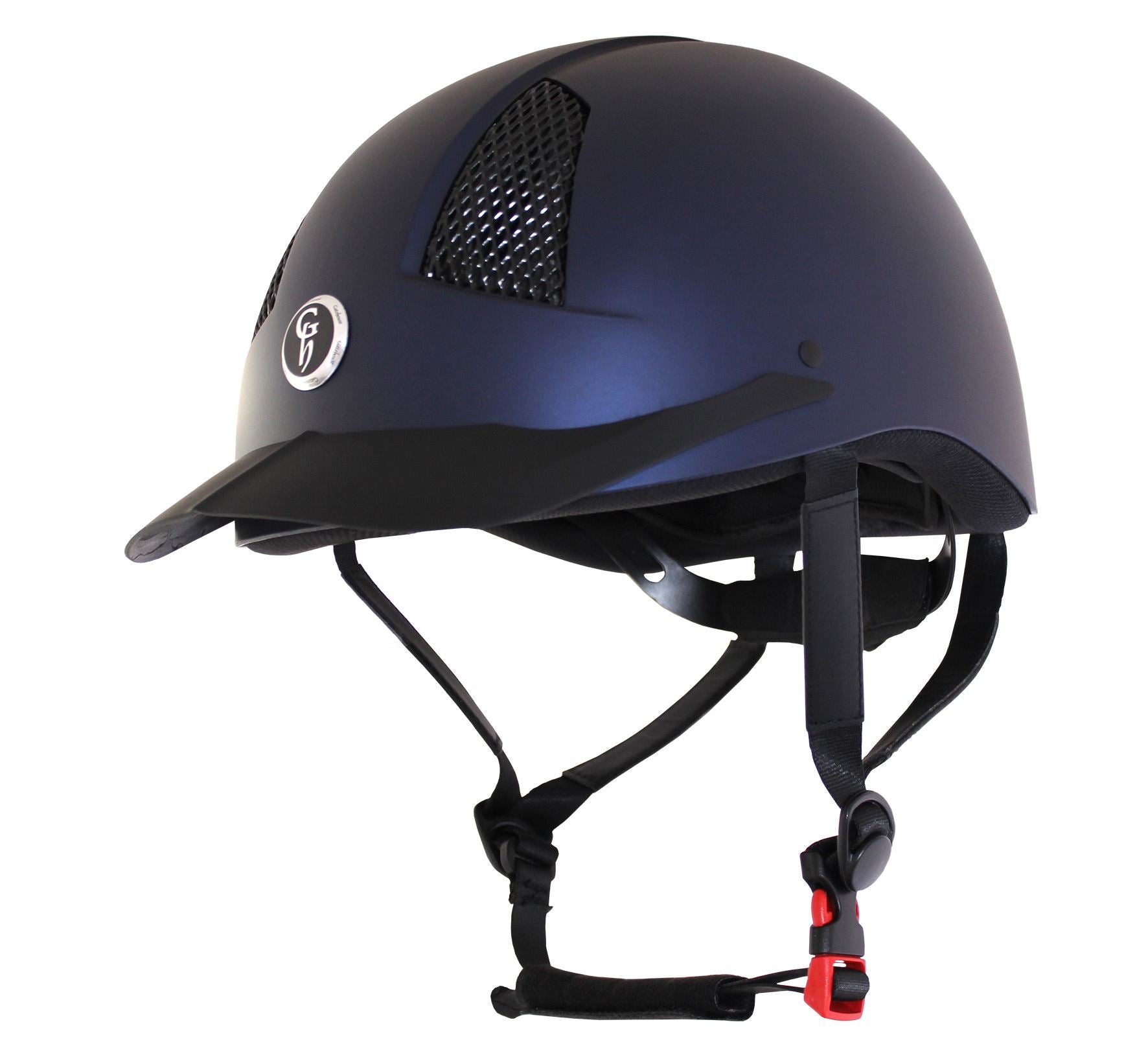
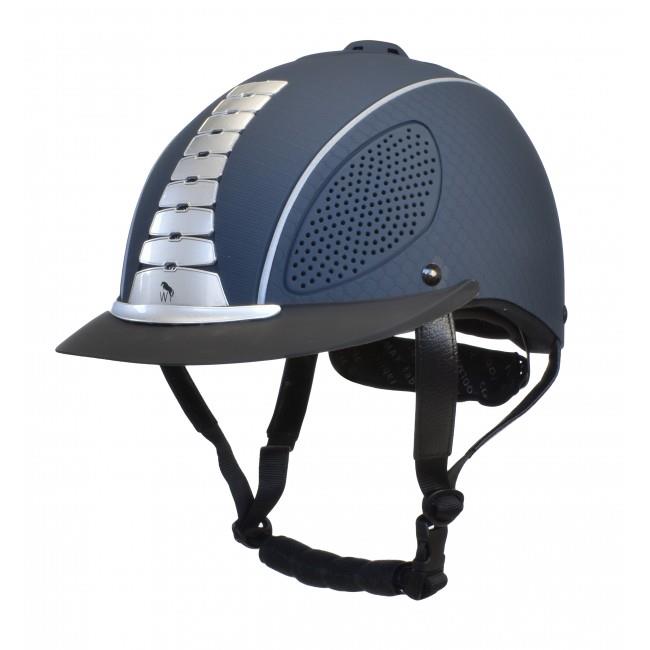
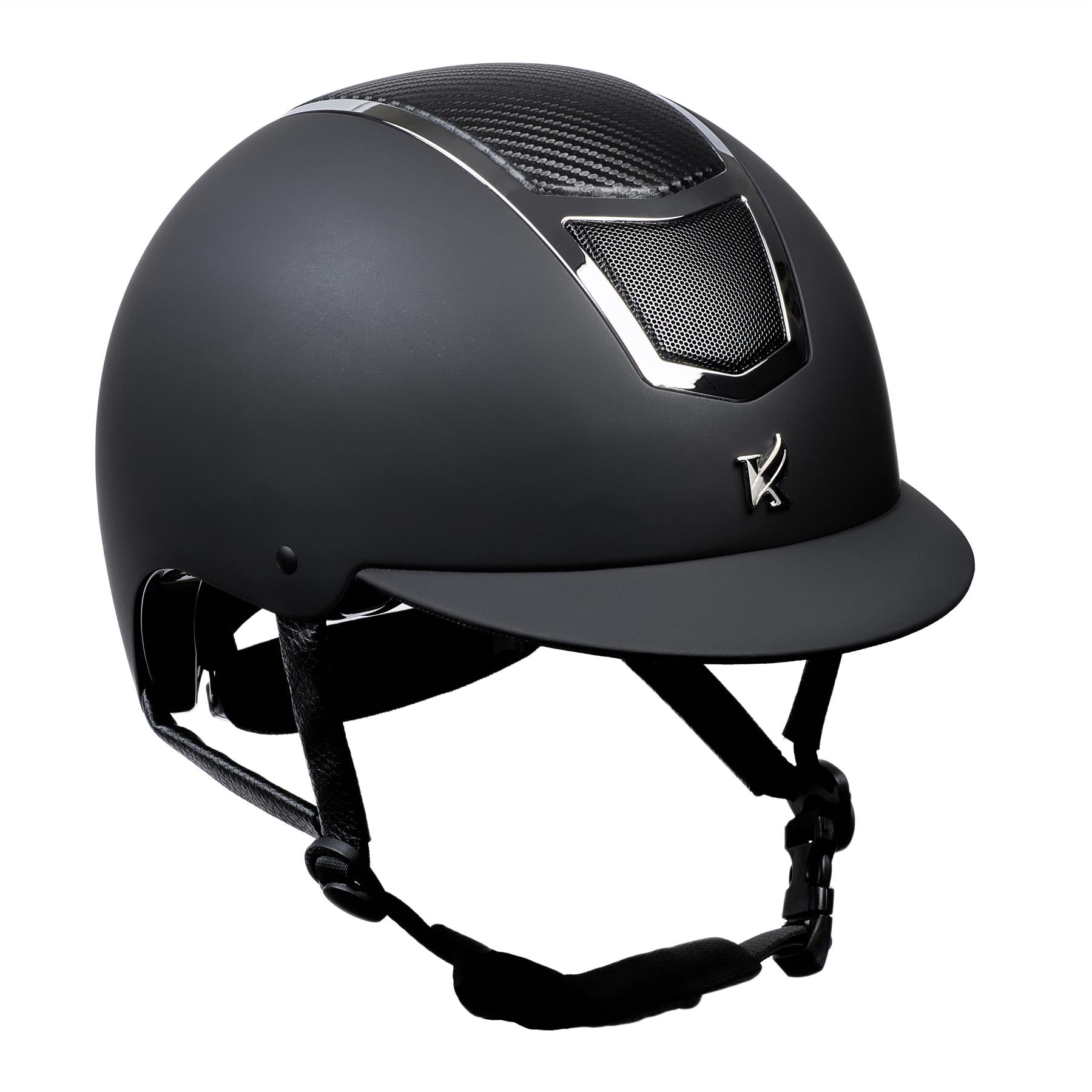
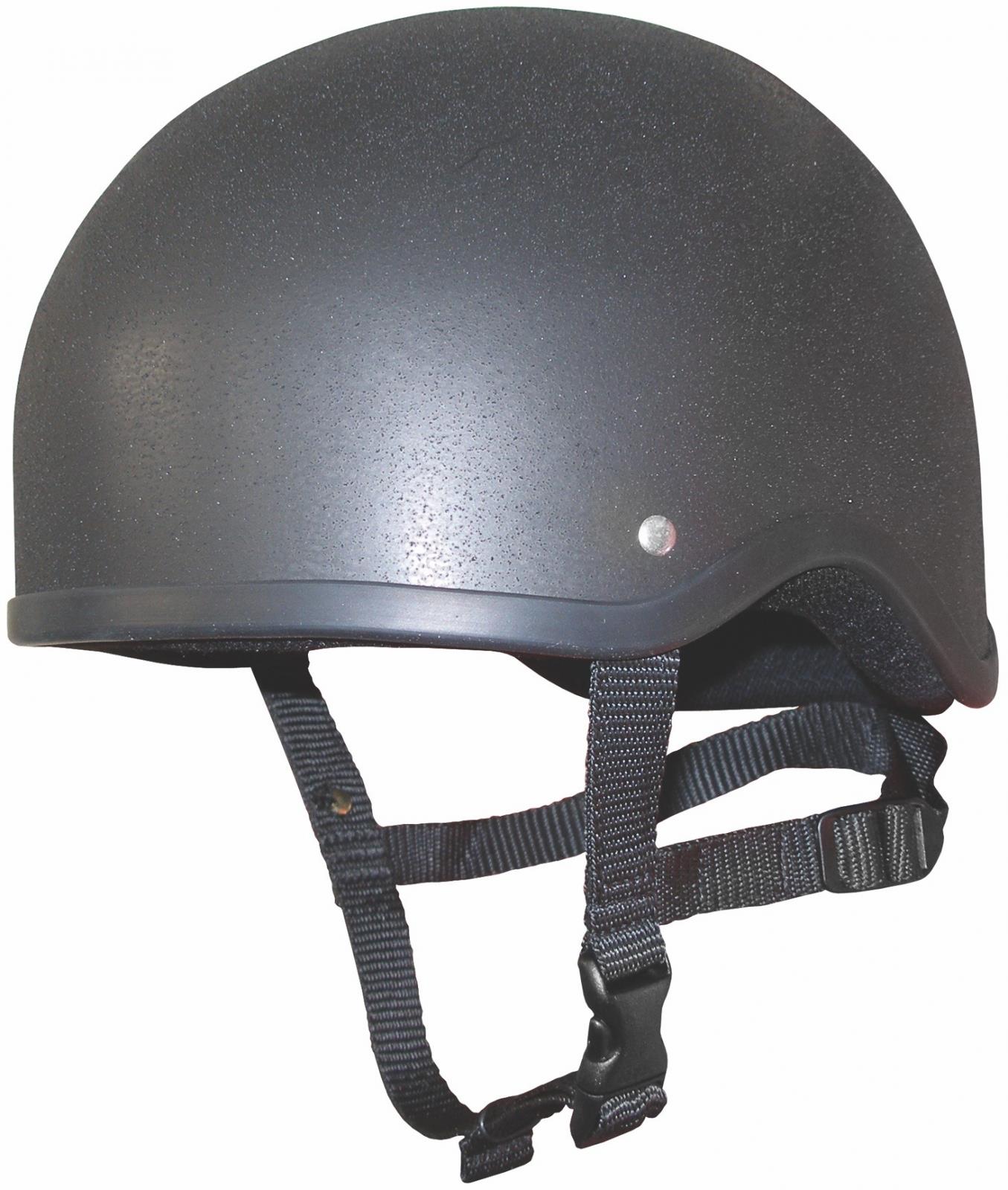
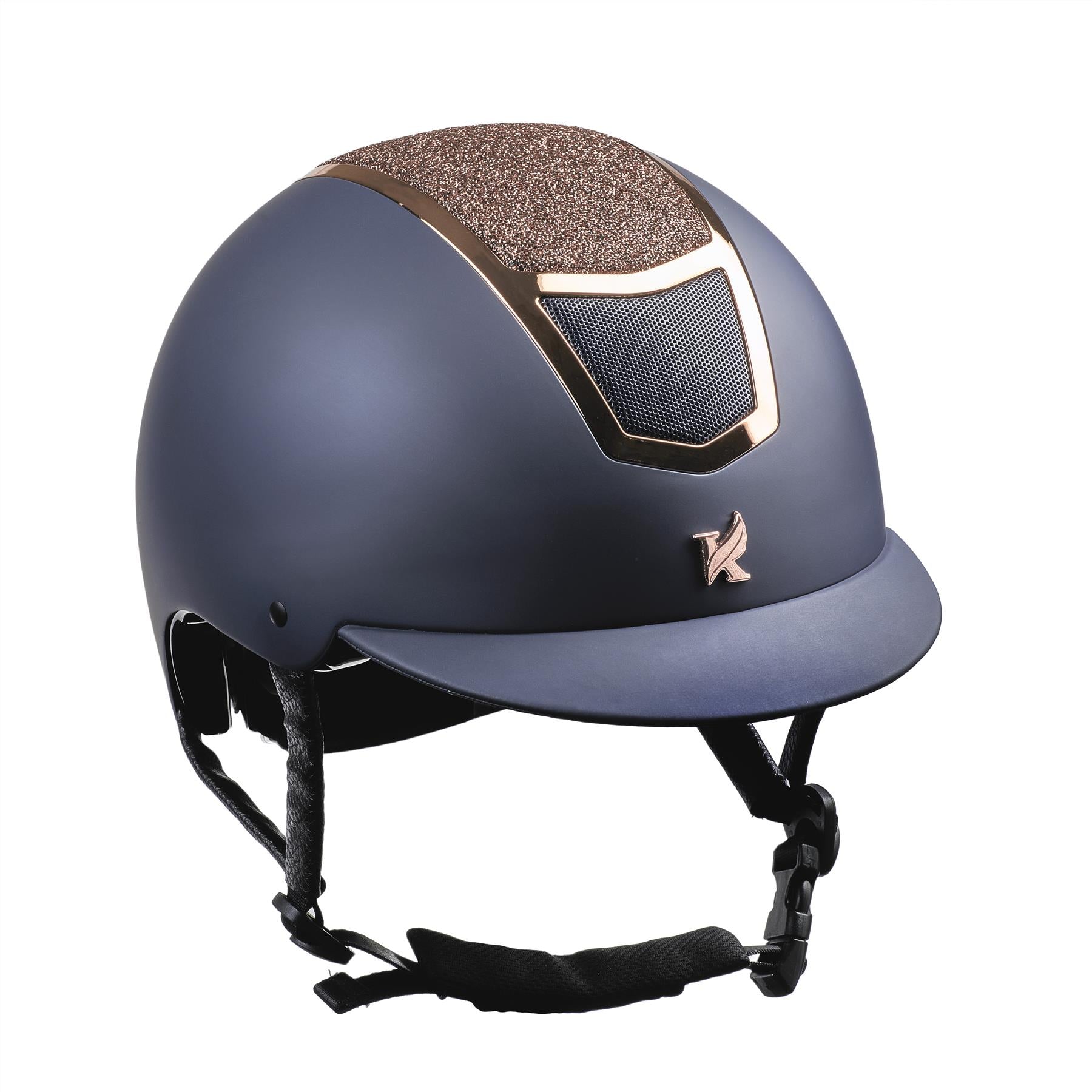
A riding hat (or helmet) is the single most important piece of kit you will buy — and the right one fits correctly, meets a current safety standard, and is replaced after any fall. The main types are everyday general-purpose riding hats, jockey skull caps (round and peakless, for cross-country and racing, worn with a silk), and show hats in smart velvet finishes for the ring. Just Horse Riders stocks them for children and adults from brands including Gatehouse, John Whitaker, Uvex, Shires and Premier Equine, from around £26.
Free UK delivery over £50 · Fast next-day delivery available · 90-day returns · Family-run UK retailer since 2010.
Hat fit and safety advice from the Just Horse Riders team — last reviewed June 2026.
Important: a hat only protects you if it fits correctly and meets the right standard. We always recommend having your hat professionally fitted, and replacing it after any fall or knock — even if it looks fine, the protective shell may be compromised.
Which riding hat do I need?
| Type | Best for |
|---|---|
| General-purpose riding hat | Everyday riding, lessons and hacking |
| Jockey skull cap | Cross-country, racing and Pony Club — worn with a silk |
| Show hat | The show ring — smart velvet and peaked finishes |
| Young rider / children's | Growing riders — lighter shells and adjustable fits |
Riding hat safety standards explained
Riding hats are made to recognised safety standards, and competition bodies specify which they accept. Current marks you may see include PAS 015:2011, VG1 01.040 2014-12, Snell E2016 and ASTM/SEI. Always check the label, and — if you compete — confirm the hat meets the current standard required by your discipline (for example British Eventing, British Dressage, British Showjumping or the Pony Club), as the accepted list is updated from time to time.
How do I measure for a riding hat?
Measure around your head about 2cm above the eyebrows and ears, in centimetres, for a starting size. But sizing varies a lot between brands and shell shapes, so the only reliable way to get it right is a professional fitting — a trained fitter checks the shell shape, depth and harness so the hat sits level and snug without pressure points.
When should I replace my riding hat?
Replace your hat after any fall or impact, even a minor one, as the protective layer can be damaged without visible signs. Otherwise, most manufacturers advise replacing a hat roughly every three to five years, as the materials degrade over time. Never buy or use a second-hand hat — you cannot know its history.
Best-selling riding hats
- Best value all-rounder: Rhinegold Pro Riding Hat (from £57.43).
- Best jockey skull: Gatehouse HS1 Jockey Skull (from £99.99).
- Best mid-range helmet: Premier Equine Endeavour Helmet (from £85.50).
- Best show hat: Gatehouse Jeunesse Velvet Hat (from £127.49).
- Best for young riders: John Whitaker Club Young Rider Helmet (from £49.04).
Frequently asked questions
How do I know what size riding hat I need?
Measure around your head about 2cm above the eyebrows for a starting size, but sizing varies by brand and shell shape. The only reliable way is a professional fitting, where a trained fitter checks the shape, depth and harness so it sits level and snug.
What safety standard should a riding hat meet?
Look for a current standard such as PAS 015:2011, VG1 01.040 2014-12, Snell E2016 or ASTM/SEI on the label. If you compete, check the current standard required by your discipline, as the accepted list is updated from time to time.
When should I replace my riding hat?
Replace it after any fall or knock, even a minor one, because the protective layer can be damaged without visible signs. Otherwise, most makers advise every three to five years. Never use a second-hand hat, as you cannot know its history.
Do I really need a professional fitting?
Strongly recommended. A hat that does not fit correctly will not protect you properly. A trained fitter gets the size, shell shape and harness right so the hat stays put and sits level — which is exactly what it needs to do in a fall.
Always have your hat fitted by a trained fitter and replaced after any fall. For help choosing, tap the WhatsApp button at the bottom of the screen and one of the team will guide you.