
Horse Calming Supplements
Take the edge off. Keep them focused.
Daily magnesium and herbal calmers, instant calmers for show day, and mare supplements — matched to what your horse actually needs.




Horse Calming Supplements
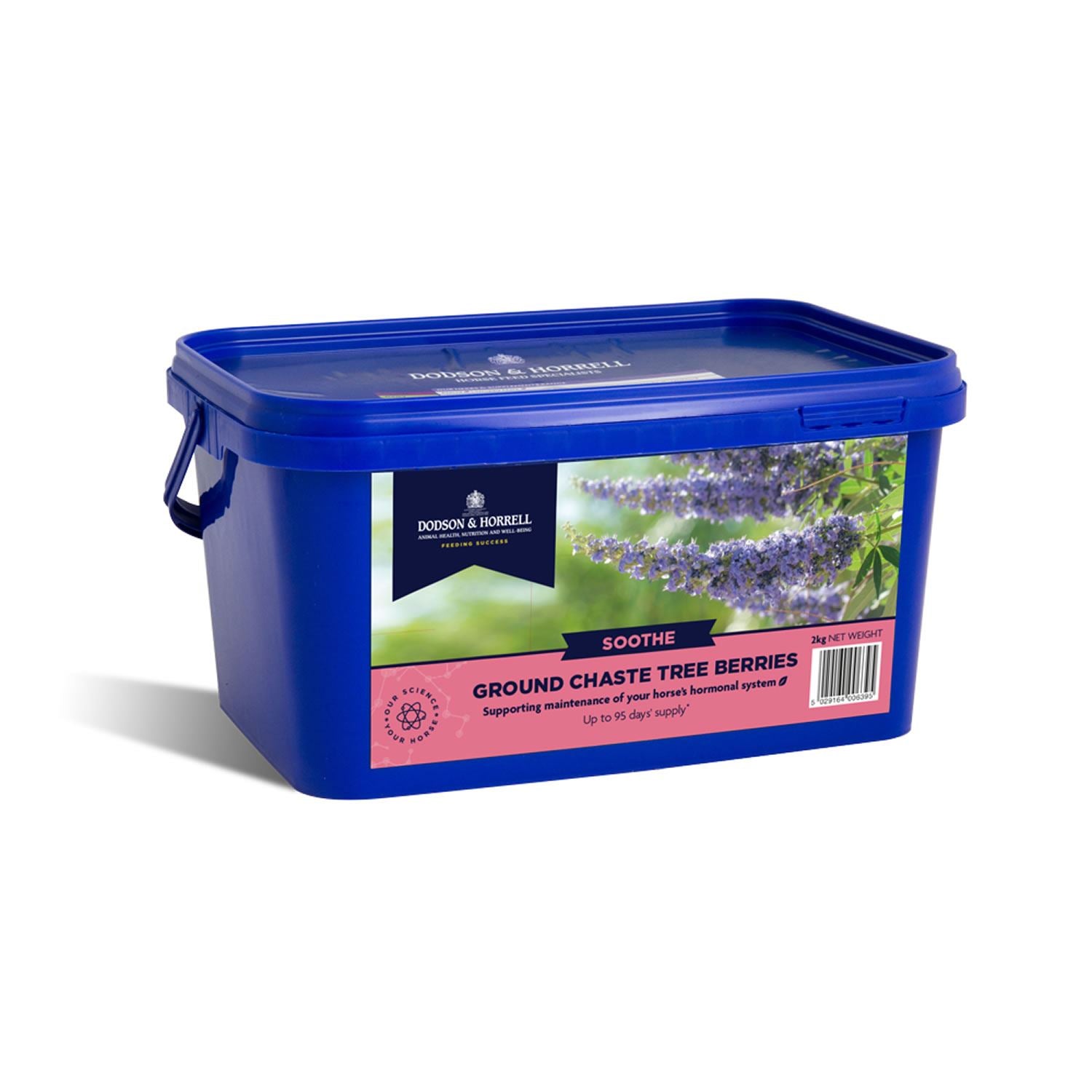
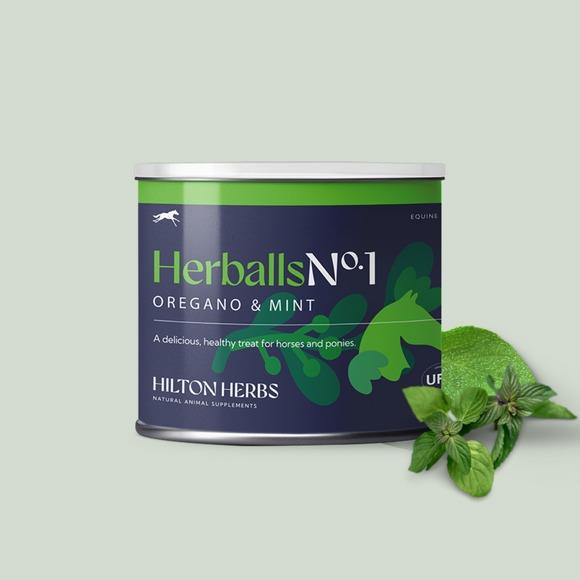
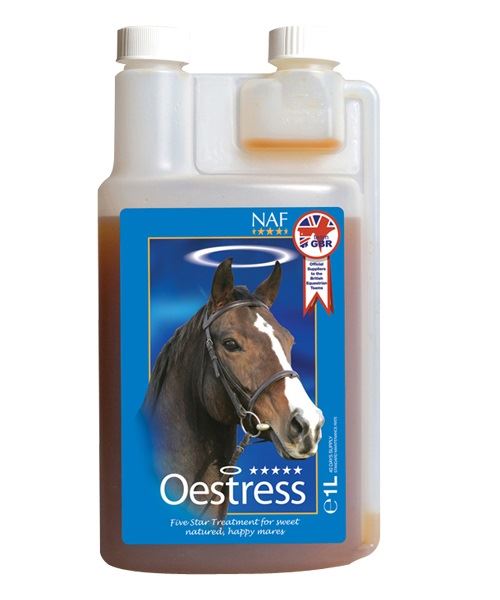
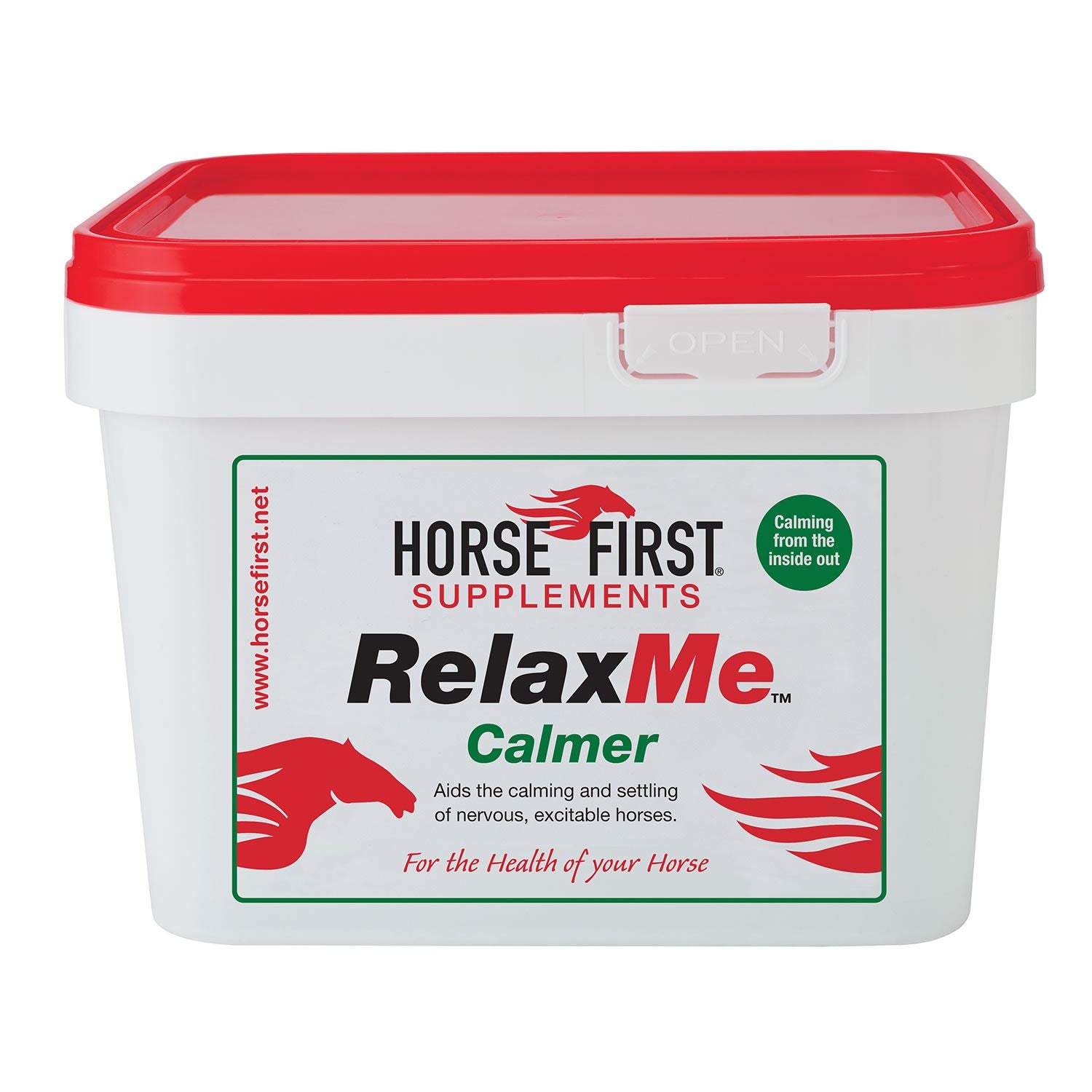
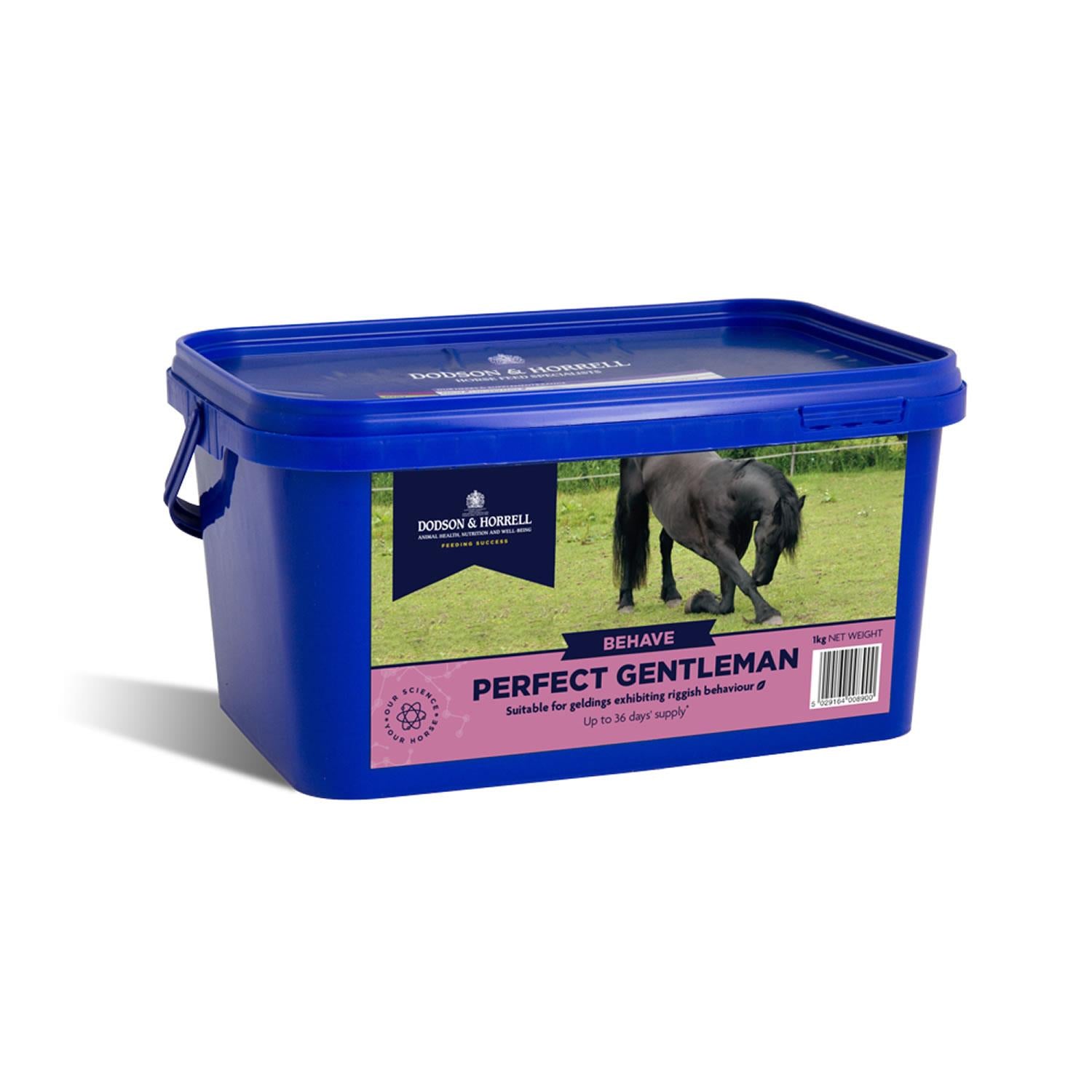
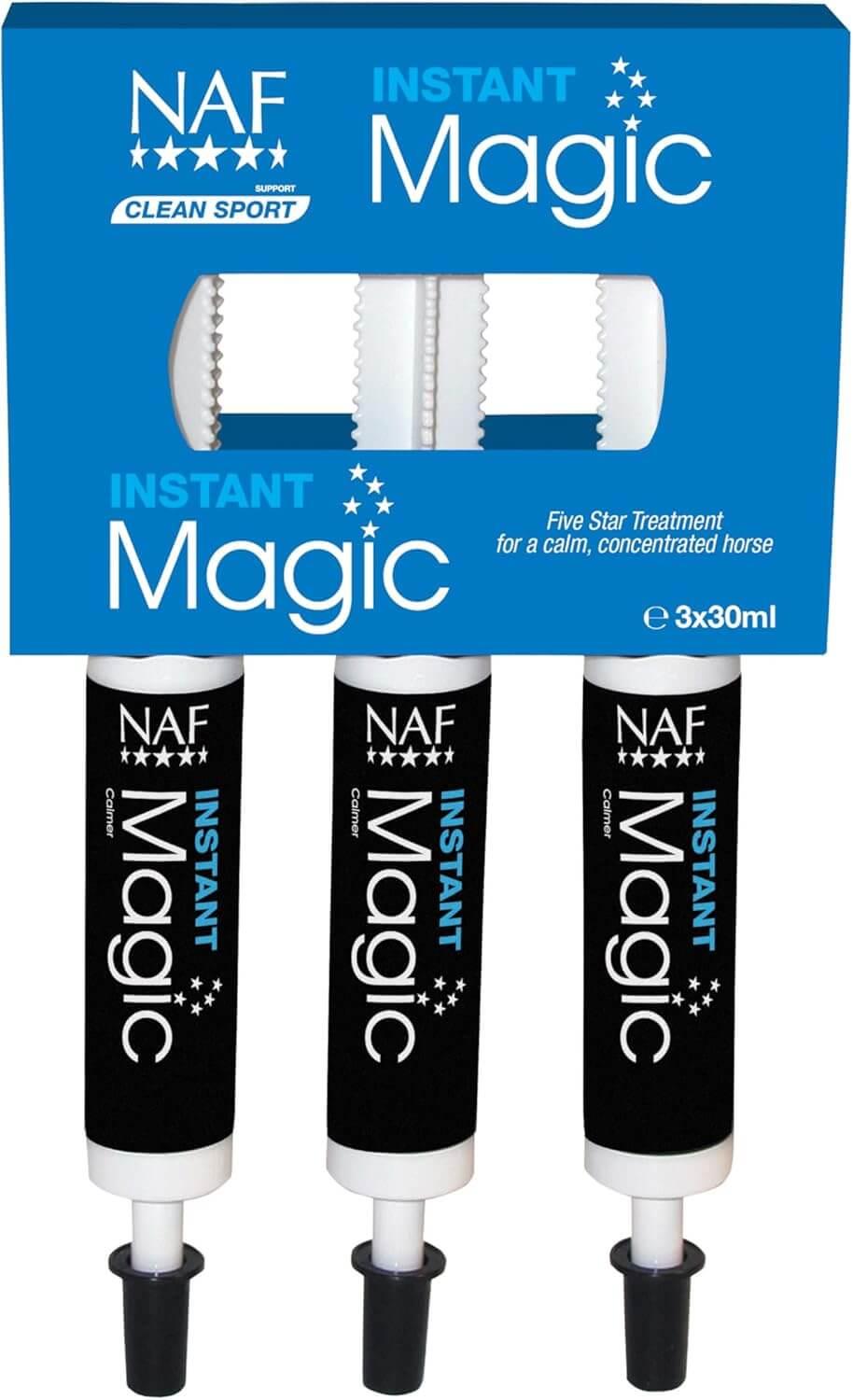
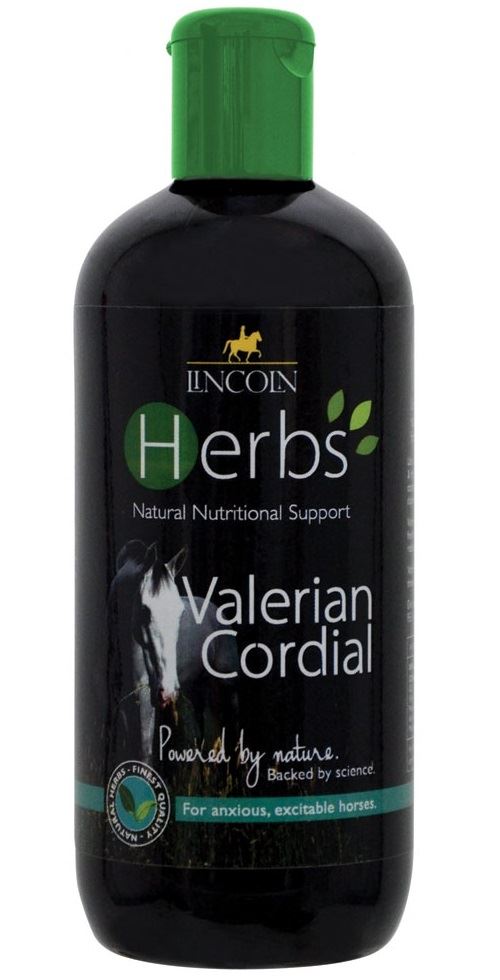
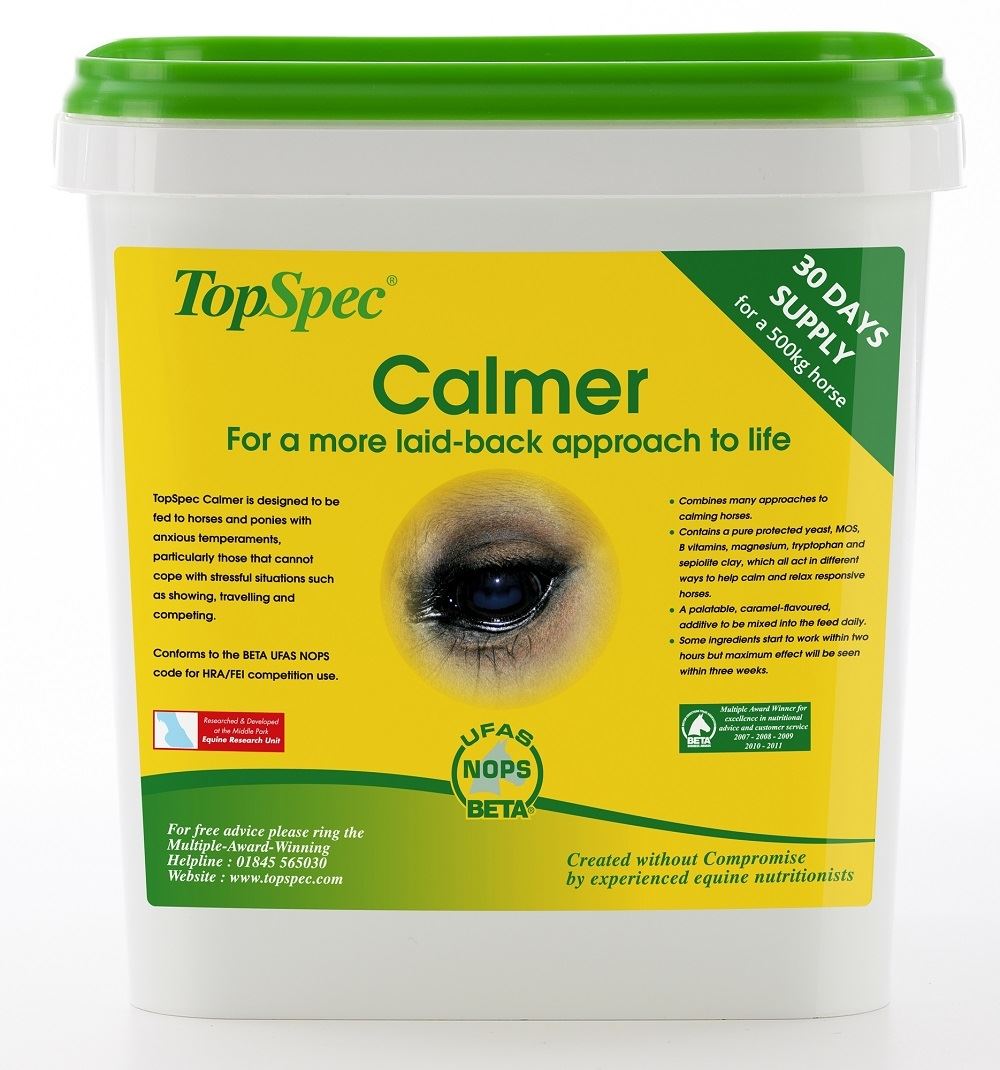
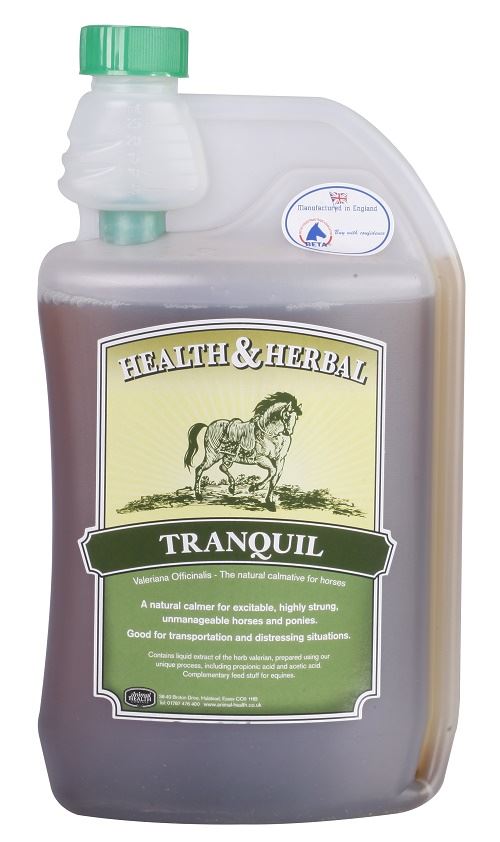
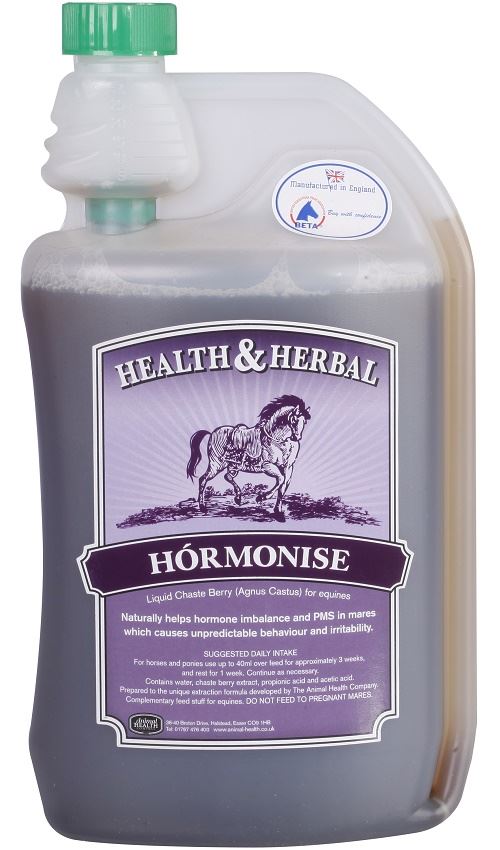

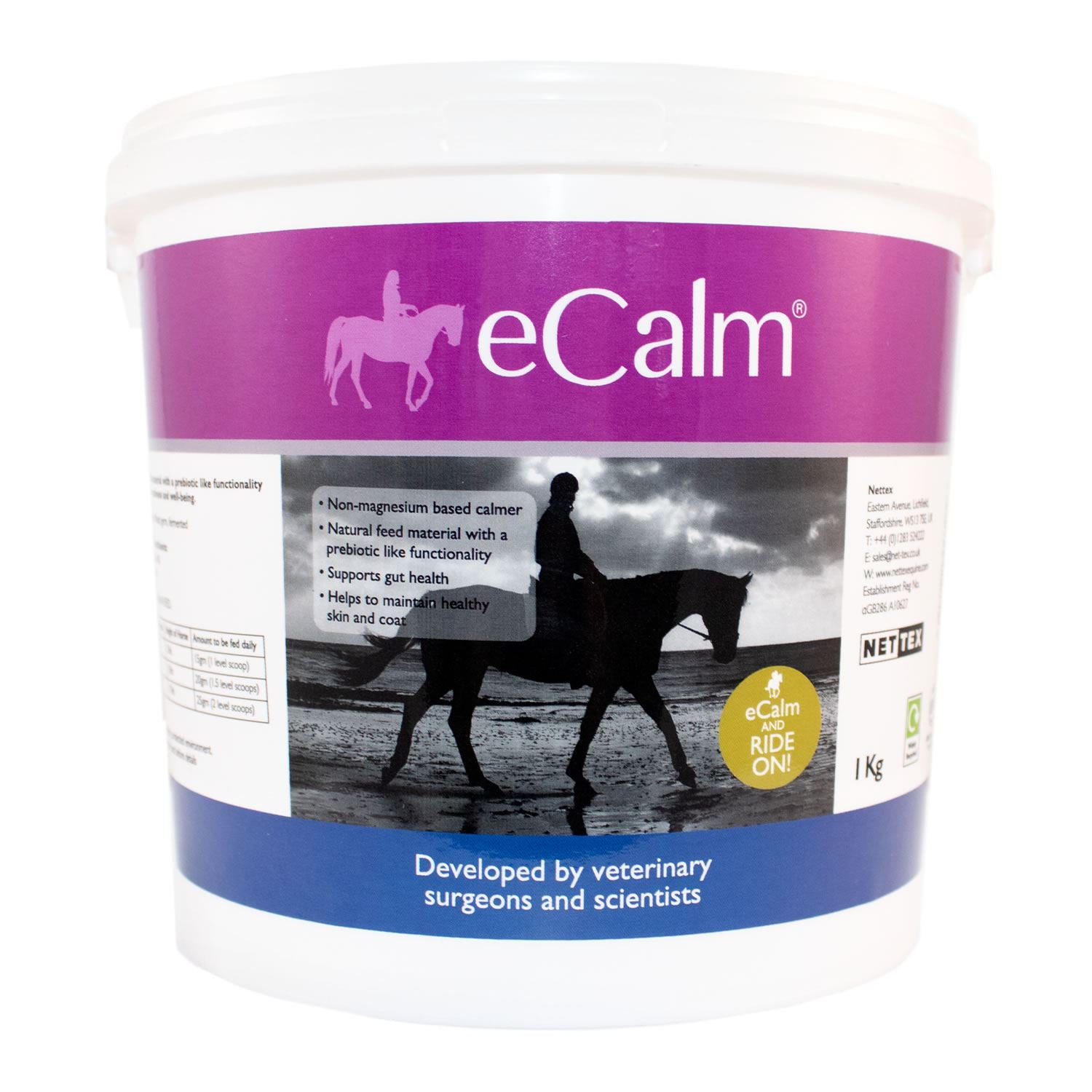
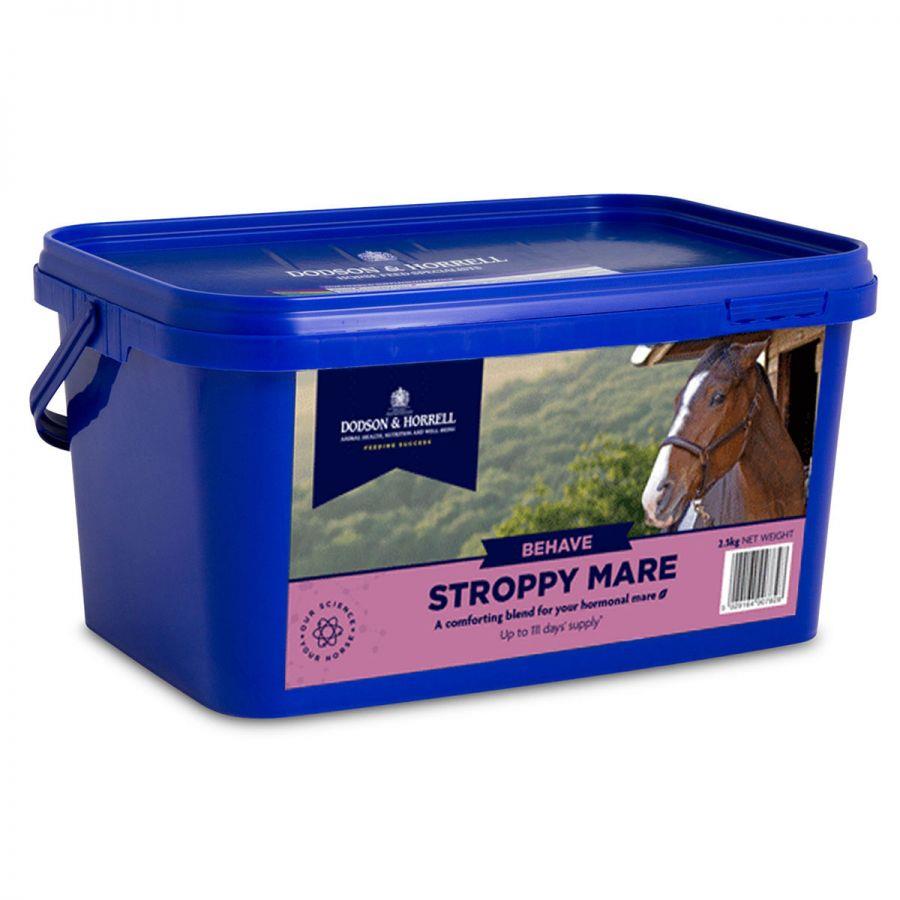
Horse calming supplements fall into a few main types: everyday magnesium-based calmers for general tension and focus, herbal calmers (chamomile, valerian and similar) for nervous or spooky horses, fast-acting instant calmers for one-off situations like shows, clipping, travelling or visits from the vet and farrier, and mare and hormonal supplements for seasonal moodiness. Just Horse Riders stocks over 180 calming and behaviour supplements from brands including NAF, Dodson & Horrell, Science Supplements, Global Herbs, Hilton Herbs, TopSpec and Nettex, from around £6.
Free UK delivery over £50 · Fast next-day delivery available · 90-day returns · Family-run UK retailer since 2010.
Calming & behaviour advice from the Just Horse Riders team — last reviewed June 2026.
In a hurry? Quick guide:
- Nervous or spooky day to day → herbal calmer — Dodson & Horrell Placid (£6.09)
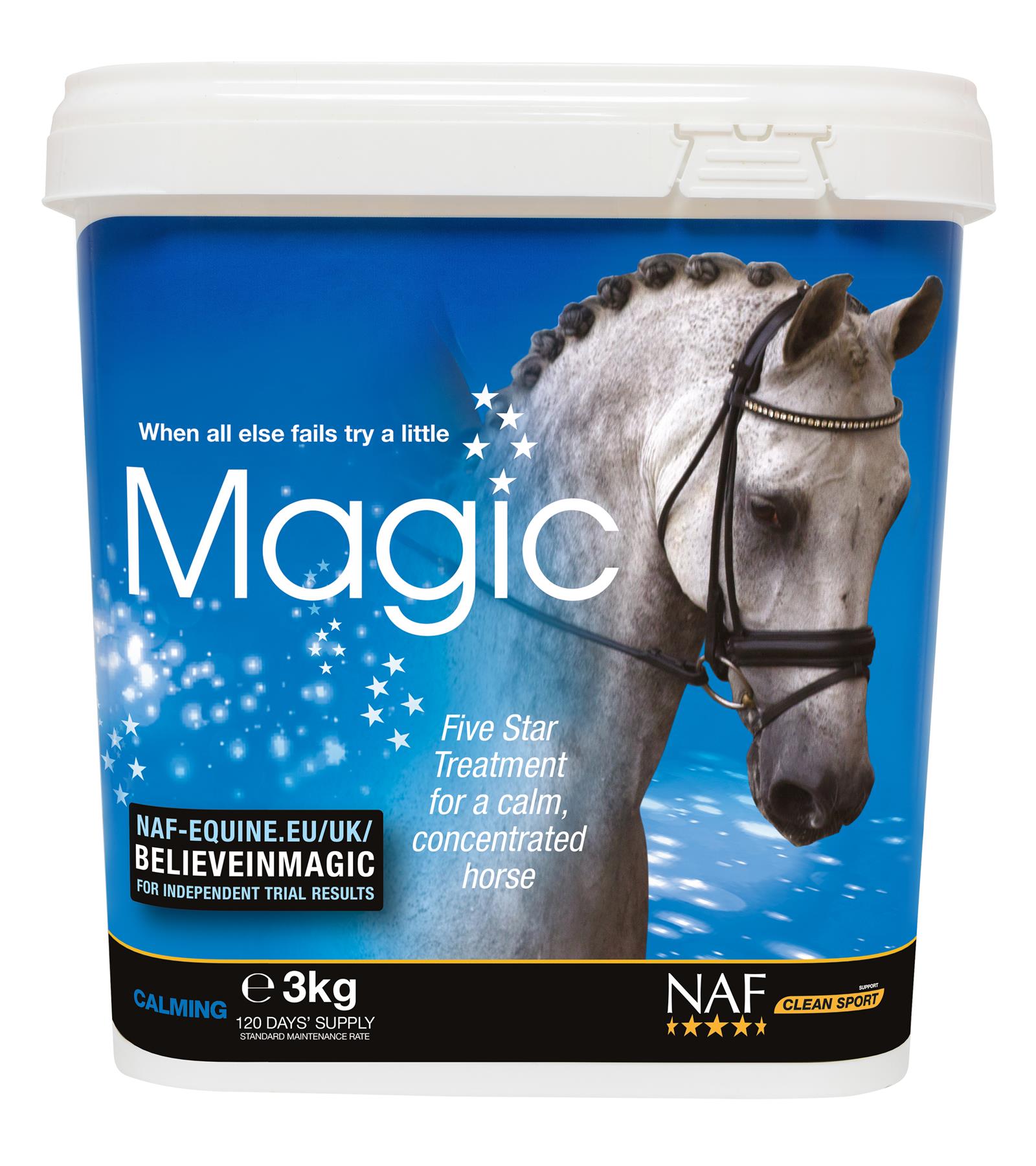
- Sharp / unfocused, wants daily steadiness → magnesium calmer — NAF Five Star Magic (£22.42)
- One-off event (show, clipping, vet) → instant calmer — Science Supplements ProKalm
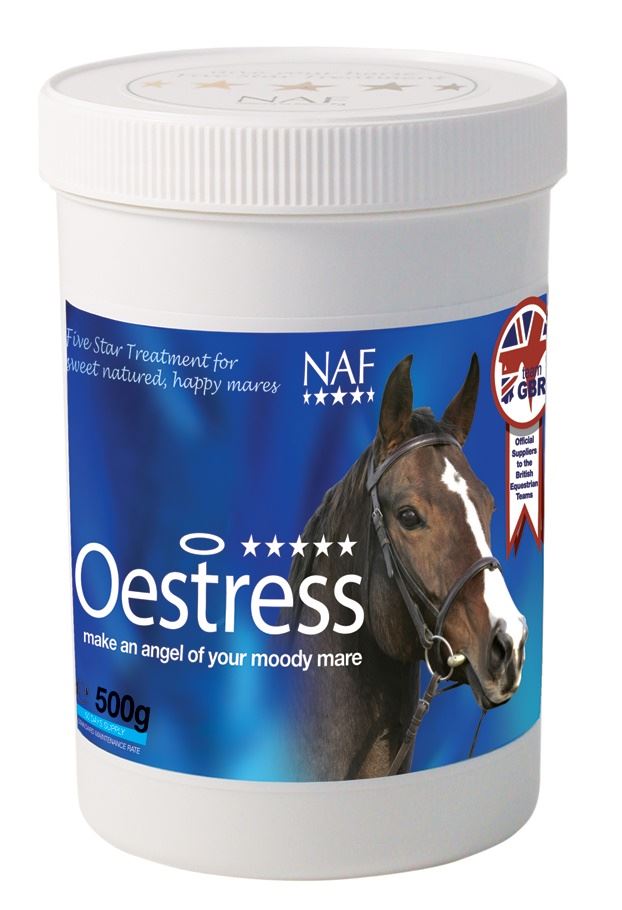
- Mare moody in season → mare/hormonal — NAF Five Star Oestress
Choosing a calmer is confusing because there are so many, and they don't all do the same job. We've helped thousands of riders pick one, so we've put this guide together to help you match the right type to your horse — whether you've got a sharp youngster, a mare who's tricky in season, or a genuinely good horse who just gets wound up at competitions.
Which calming supplement does my horse need?
Start with the situation you're trying to help:
- Everyday tension or a sharp, unfocused horse — a daily magnesium-based calmer such as NAF Five Star Magic or TopSpec Calmer supports a steadier, more focused way of going over time.
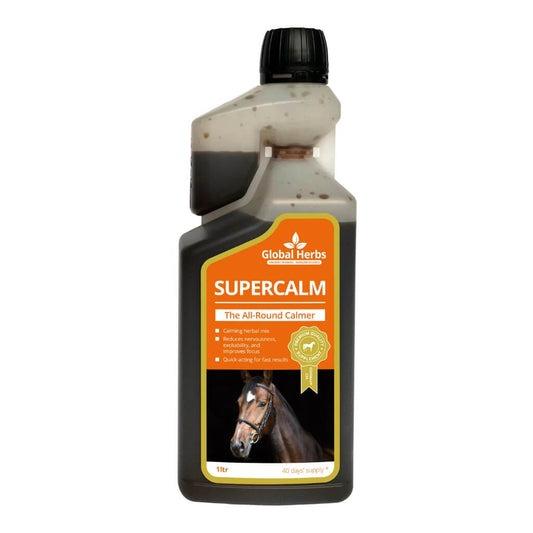
- Nervous, spooky or anxious horses — herbal blends like Dodson & Horrell Placid (chamomile-based) or Global Herbs SuperCalm are popular daily options.
- One-off stressful events (shows, clipping, travelling, the vet or farrier) — a fast-acting instant calmer like NAF Five Star Instant Magic or Science Supplements ProKalm is designed to help on the day.
- Mares who are moody or difficult in season — a mare/hormonal supplement such as NAF Five Star Oestress, Hormonise or Hilton Herbs Easy Mare Gold.
- Geldings and rigs showing stallion-like behaviour — try Global Herbs RigCalm.
- Competition horses who need to stay focused — a "calm and focus" blend like TopSpec VetSpec Calm & Focused (but check the competition rules below first).
Calmer types at a glance
| Type | Best for | How fast | Examples |
|---|---|---|---|
| Daily magnesium | Everyday tension & focus | Builds over 1–2 weeks | NAF Five Star Magic, TopSpec Calmer |
| Daily herbal | Nervous / spooky types | Builds over 1–2 weeks | Dodson & Horrell Placid, Global Herbs SuperCalm |
| Instant | One-off events | Around 1–2 hours | NAF Instant Magic, Science Supplements ProKalm |
| Mare / hormonal | Seasonal moodiness in mares | Fed daily, ongoing | NAF Oestress, Hilton Herbs Easy Mare |
How to choose a calming supplement
Magnesium or herbal calmers — what's the difference?
Magnesium is involved in normal nerve and muscle function, and a magnesium-based calmer can help a tense or "fizzy" horse feel steadier day to day. Herbal calmers use ingredients such as chamomile and valerian that are traditionally used to help horses relax. As a rule of thumb, riders find magnesium suits everyday focus, while herbal blends suit genuinely nervous or spooky types — and some products combine both. Try one approach at a time so you can see what actually works for your horse.
How long do calming supplements take to work?
It depends on the type. Instant calmers (often syringes or liquids) are designed to take effect within a couple of hours, so they're used on the day of a stressful event. Daily calmers usually need to build up over one to two weeks before you see the full benefit — so start them in good time before a show or a busy spell rather than the night before.
Can I use a calming supplement when I'm competing?
Be careful here. Under the rules of many affiliated bodies (such as the FEI and British Dressage), certain calming ingredients — valerian in particular — are prohibited substances and can lead to disqualification, even though they're freely on sale. If you compete under rules, check the current prohibited-substances list and look for products described as competition-legal (we stock valerian-free options). If you're unsure, ask us or your governing body before you feed it.
Are calming supplements safe?
Calming supplements are widely used and generally well tolerated when fed at the recommended rate. They're a feed supplement rather than a medicine — they're there to support a calm, workable temperament alongside good training, turnout and routine, not to sedate your horse. If behaviour has changed suddenly, it's always worth ruling out pain or a health issue with your vet first, as discomfort is one of the most common causes of "naughty" behaviour.
Which are the best horse calming supplements?
These are the calmers our customers come back for most, by job:
- Best everyday magnesium calmer: NAF Five Star Magic — a long-standing favourite for steady daily focus.
- Best for one-off events: NAF Five Star Instant Magic or Science Supplements ProKalm — fast-acting for shows, clipping and travelling.
- Best gentle herbal calmer: Dodson & Horrell Placid or Global Herbs SuperCalm.
- Best for mares in season: NAF Five Star Oestress or Hilton Herbs Easy Mare Gold.
- Best value daily calmer: Gold Label Equikalm Daily or TopSpec Calmer.
Frequently asked questions
How do horse calming supplements work?
Most use one of two approaches. Magnesium-based calmers top up a mineral involved in normal nerve and muscle function, which can help a tense horse feel steadier. Herbal calmers use ingredients such as chamomile and valerian that are traditionally used to support relaxation. They work best alongside good training, turnout and routine — not as a replacement for them.
Do horse calmers actually work?
For many horses, yes — but it's individual, a bit like people and coffee. Lots of riders rely on them for shows, travelling and box rest, but the right product varies from horse to horse, so it's worth trying one at a time. They take the edge off rather than sedate, and they're most effective when paired with proper training and a settled environment.
What is the best calming supplement for a spooky horse?
For a genuinely spooky or nervous horse, riders most often reach for a daily herbal calmer such as Dodson & Horrell Placid or Global Herbs SuperCalm, or a magnesium blend like NAF Five Star Magic. Feed it daily for one to two weeks to build up. For a spooky horse at a one-off event, add an instant calmer on the day.
How long do calming supplements take to work?
Instant calmers (syringes and liquids) are designed to act within about an hour or two, so they suit one-off events. Daily calmers usually need one to two weeks to build up before you see the full effect, so start them well before a show or a busy period rather than the night before.
Can I use a calming supplement when competing?
Check the rules first. Under many affiliated bodies (FEI, British Dressage and others) some calming ingredients — valerian especially — are prohibited substances and can cause disqualification, even though they're freely sold. If you compete under rules, look for products described as competition-legal or valerian-free, and check the current prohibited-substances list. If in doubt, ask us or your governing body.
What can I give a mare who is moody in season?
Mare-specific supplements are formulated for hormonal moodiness rather than general nervousness. Popular options include NAF Five Star Oestress, Hilton Herbs Easy Mare Gold and Hormonise. If a mare's behaviour is extreme or changes suddenly it's worth a vet check, as some hormonal behaviour has an underlying physical cause.
Are calming supplements safe to use long-term?
Daily calmers are designed to be fed long-term at the recommended rate, and many horses stay on a magnesium or herbal calmer year-round. They're feed supplements, not sedatives. As with any supplement, introduce it gradually, follow the feeding guide, and check with your vet if your horse is on medication or has a health condition.
Not sure which calmer suits your horse? Tap the WhatsApp button at the bottom of the screen and one of the team will help — we feed this stuff to our own horses.