
Digestion Supplements
Happy gut, happy horse.
Gut balancers, prebiotics and digestive support from NAF, Dodson & Horrell, Hilton Herbs and more.


Horse Digestion Supplements

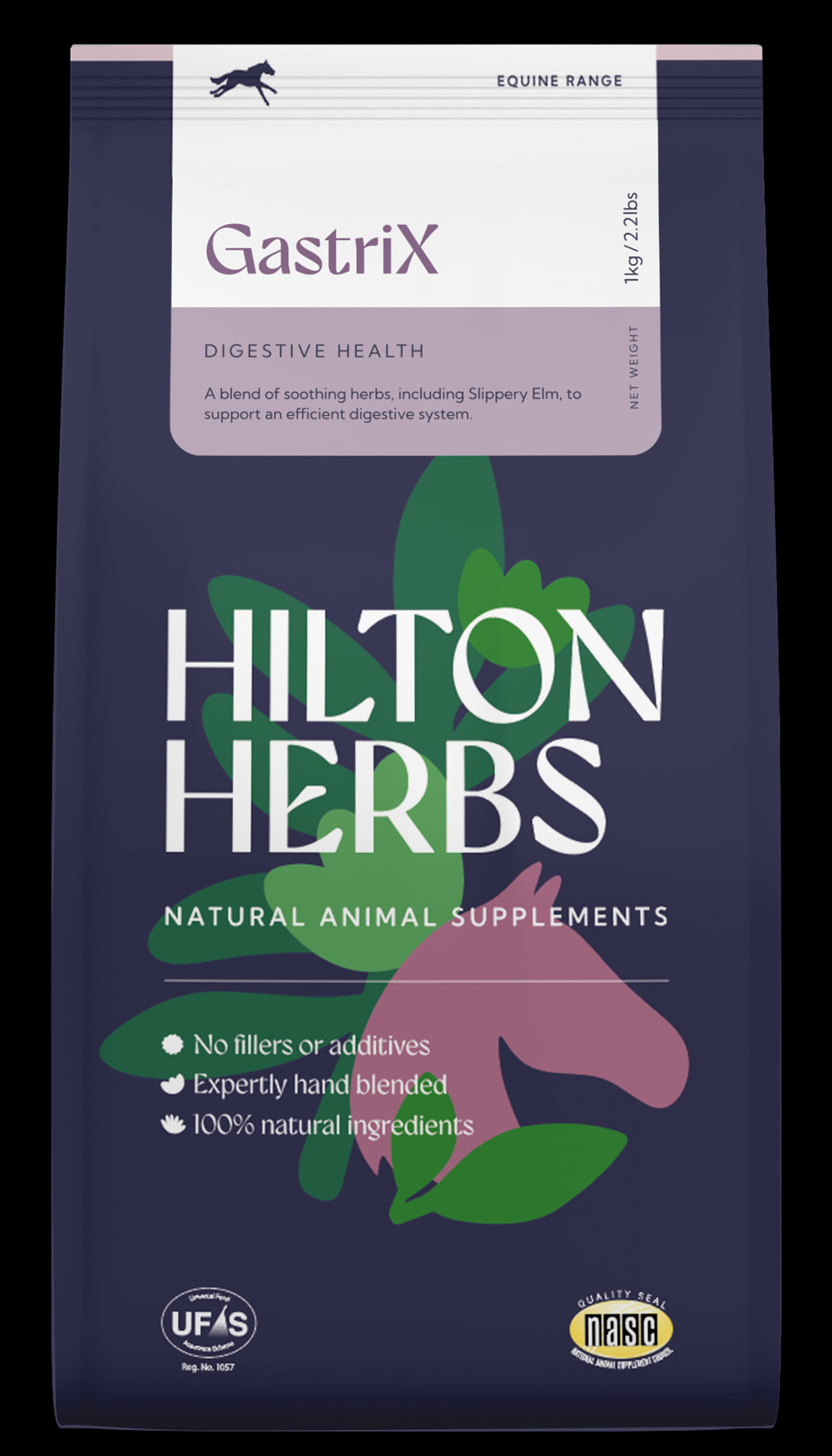
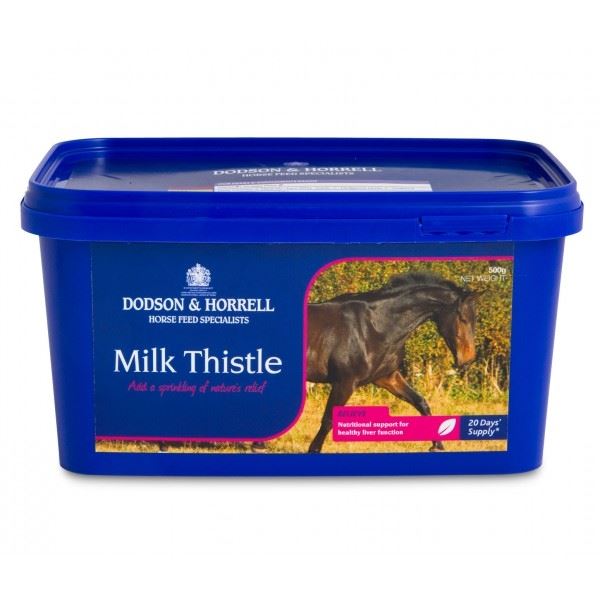
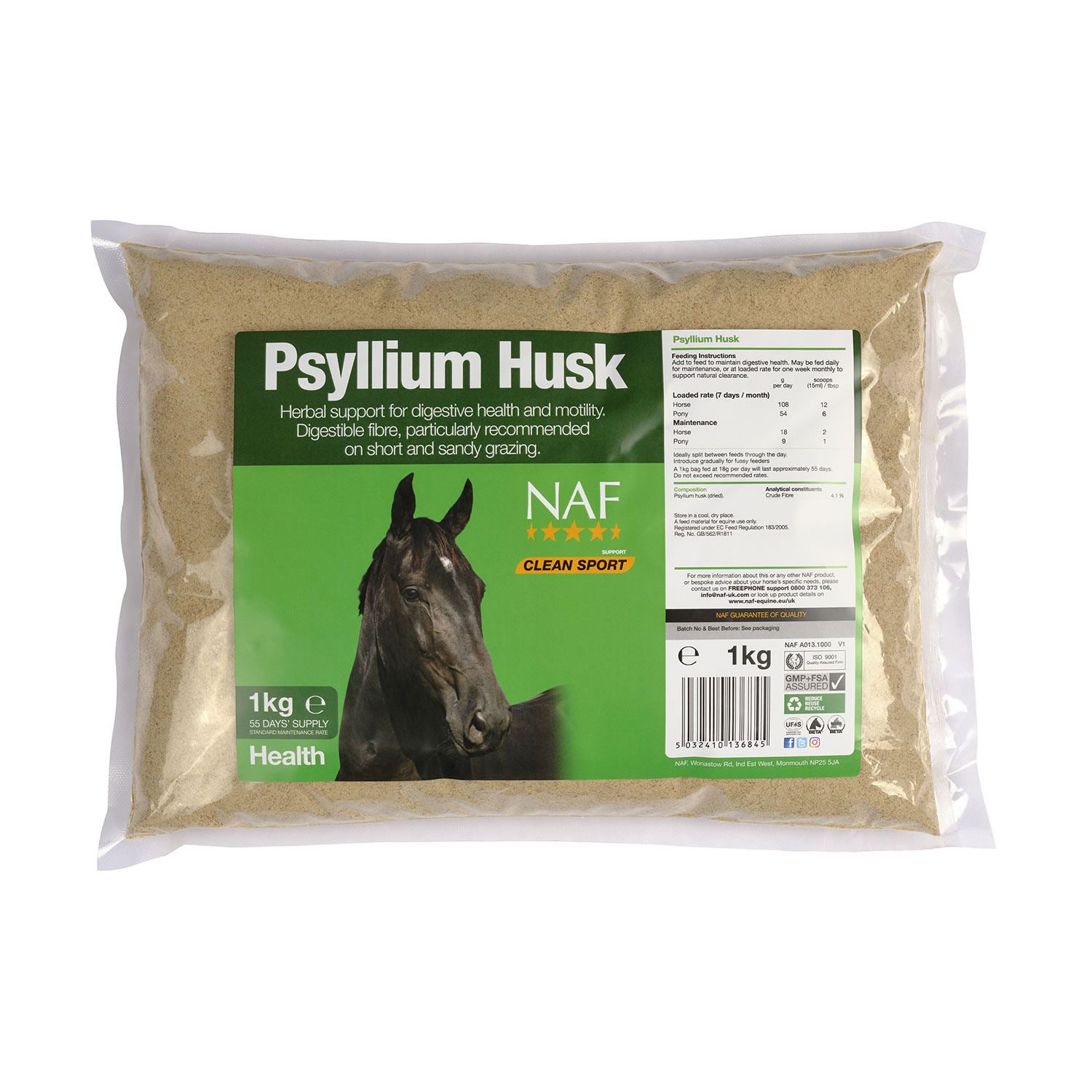

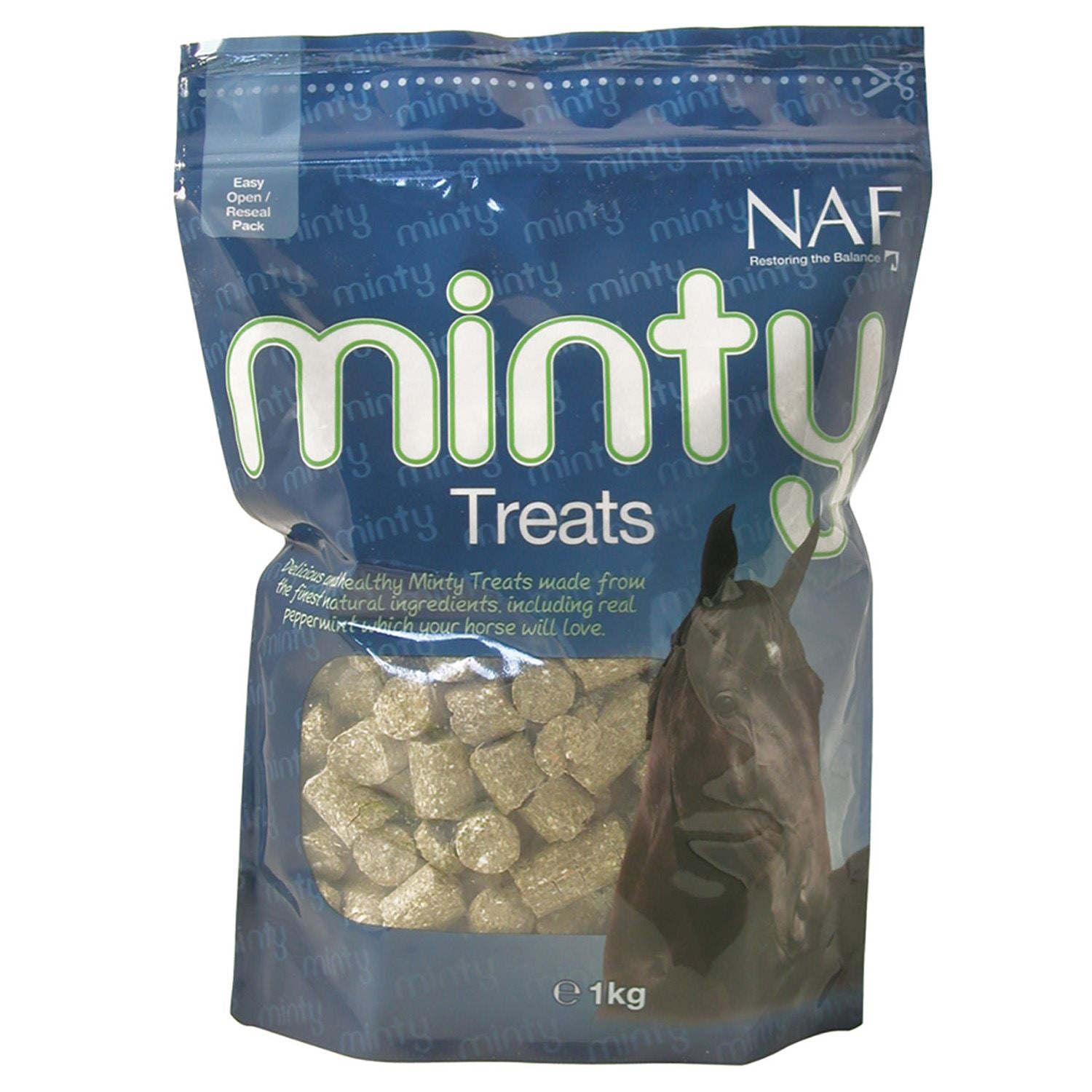

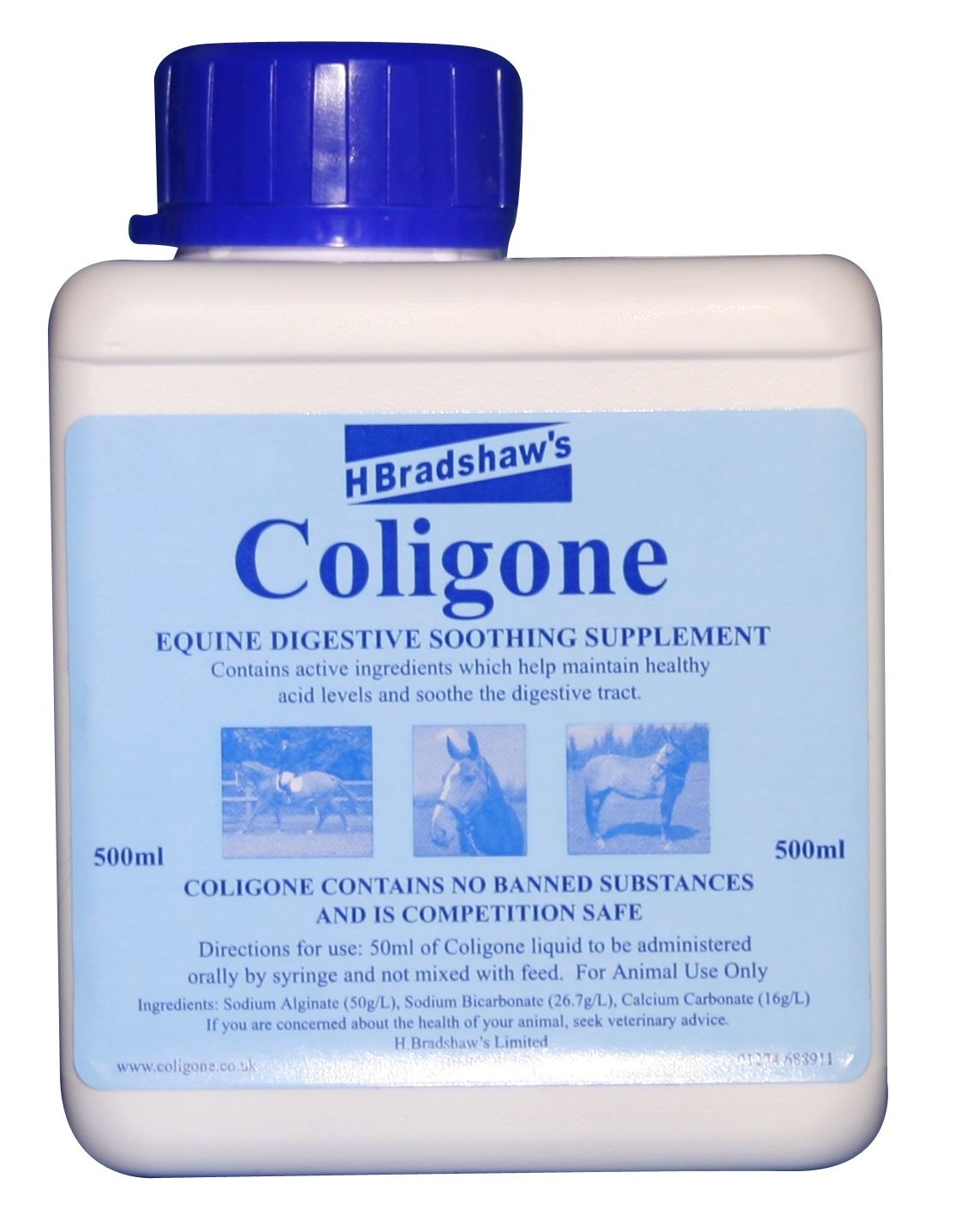
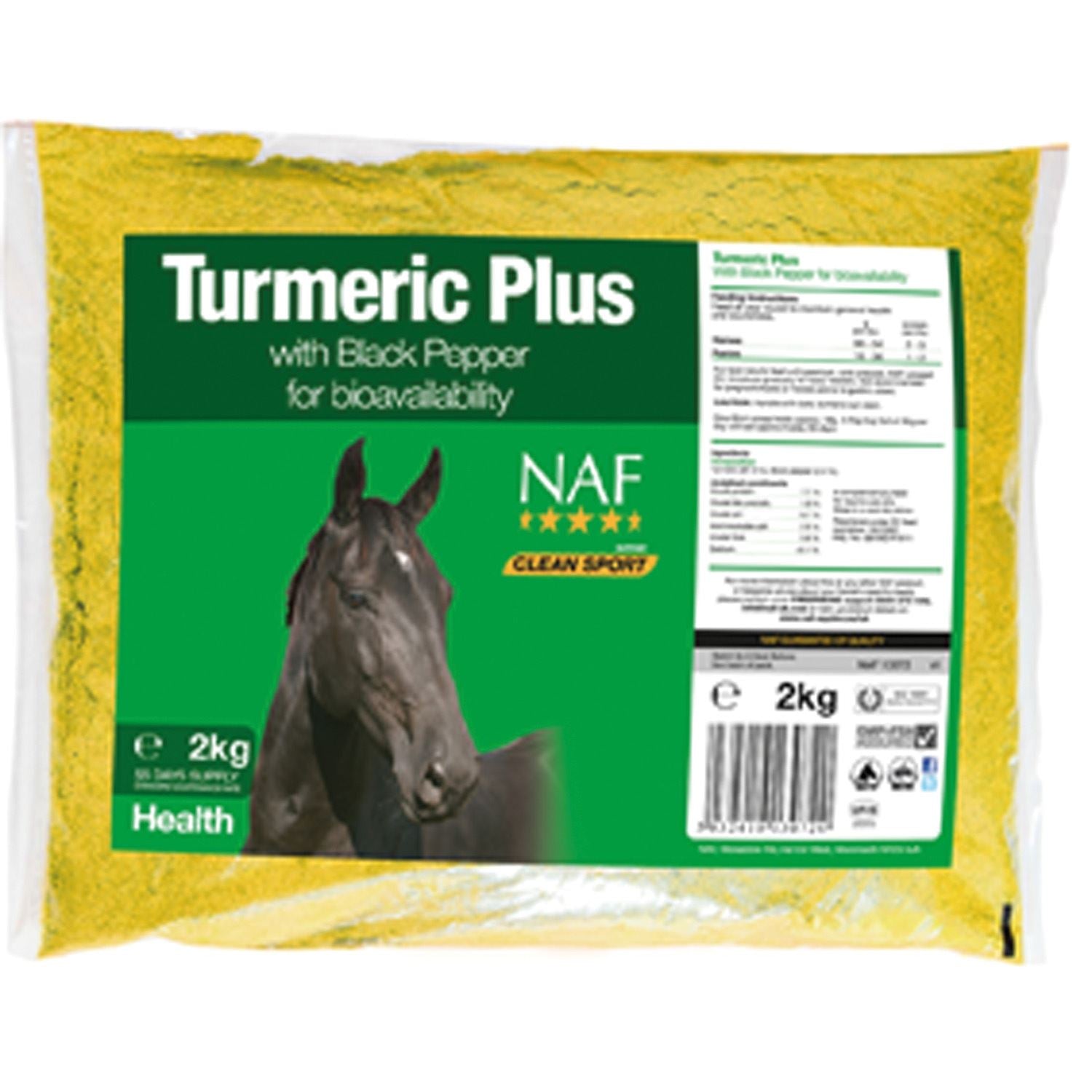

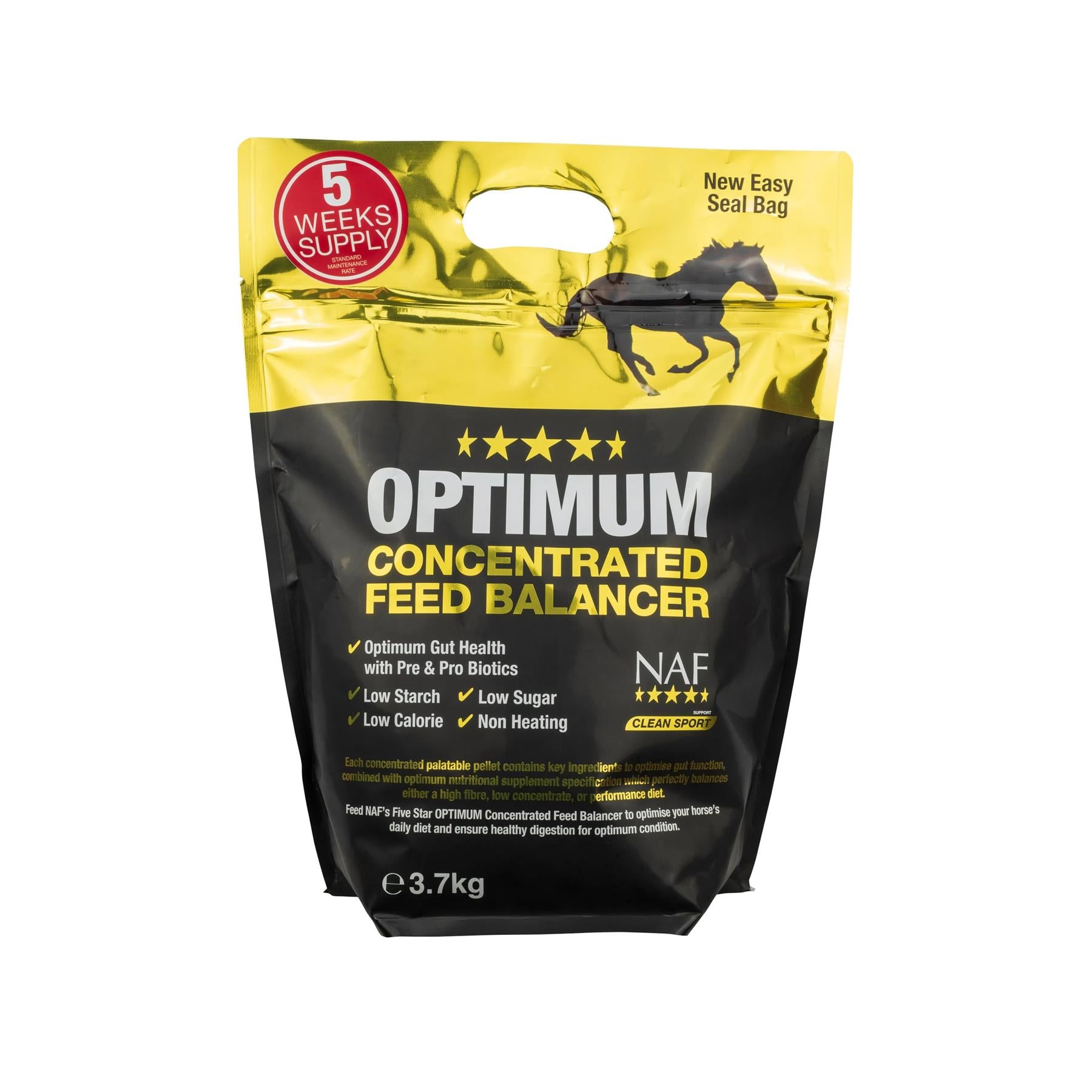

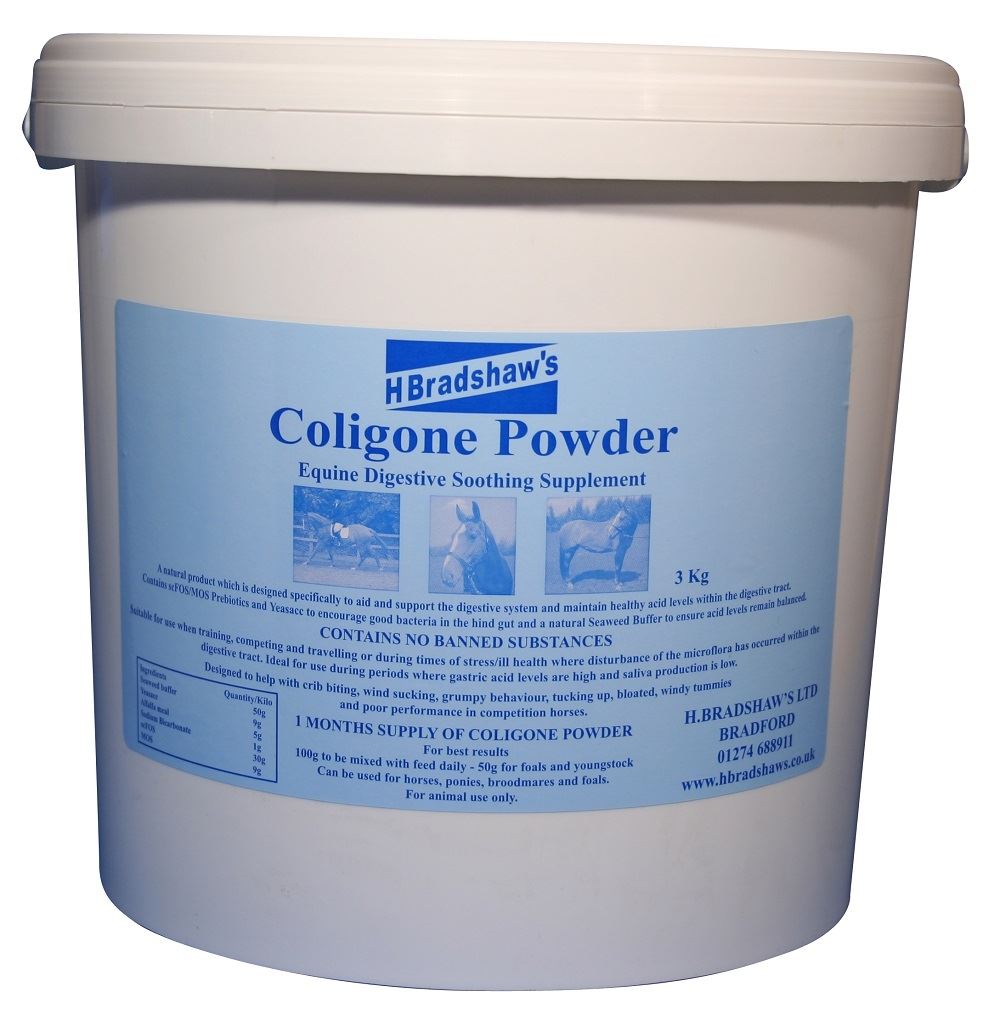
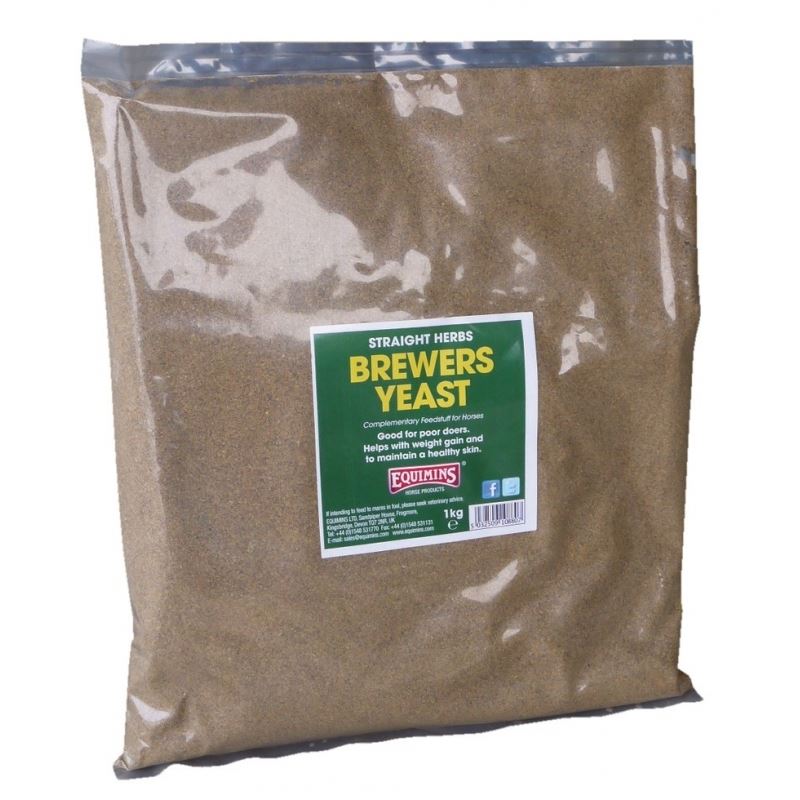

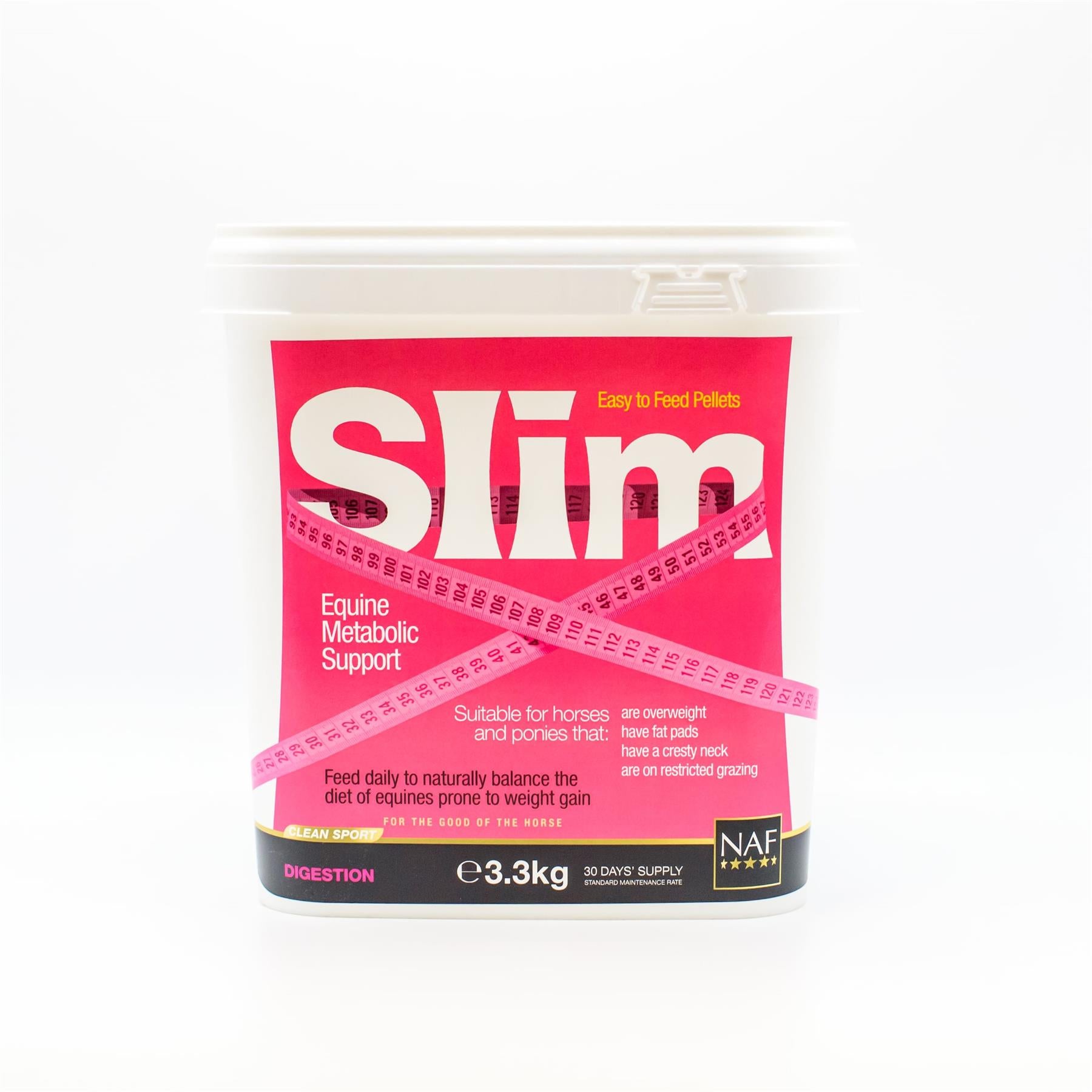
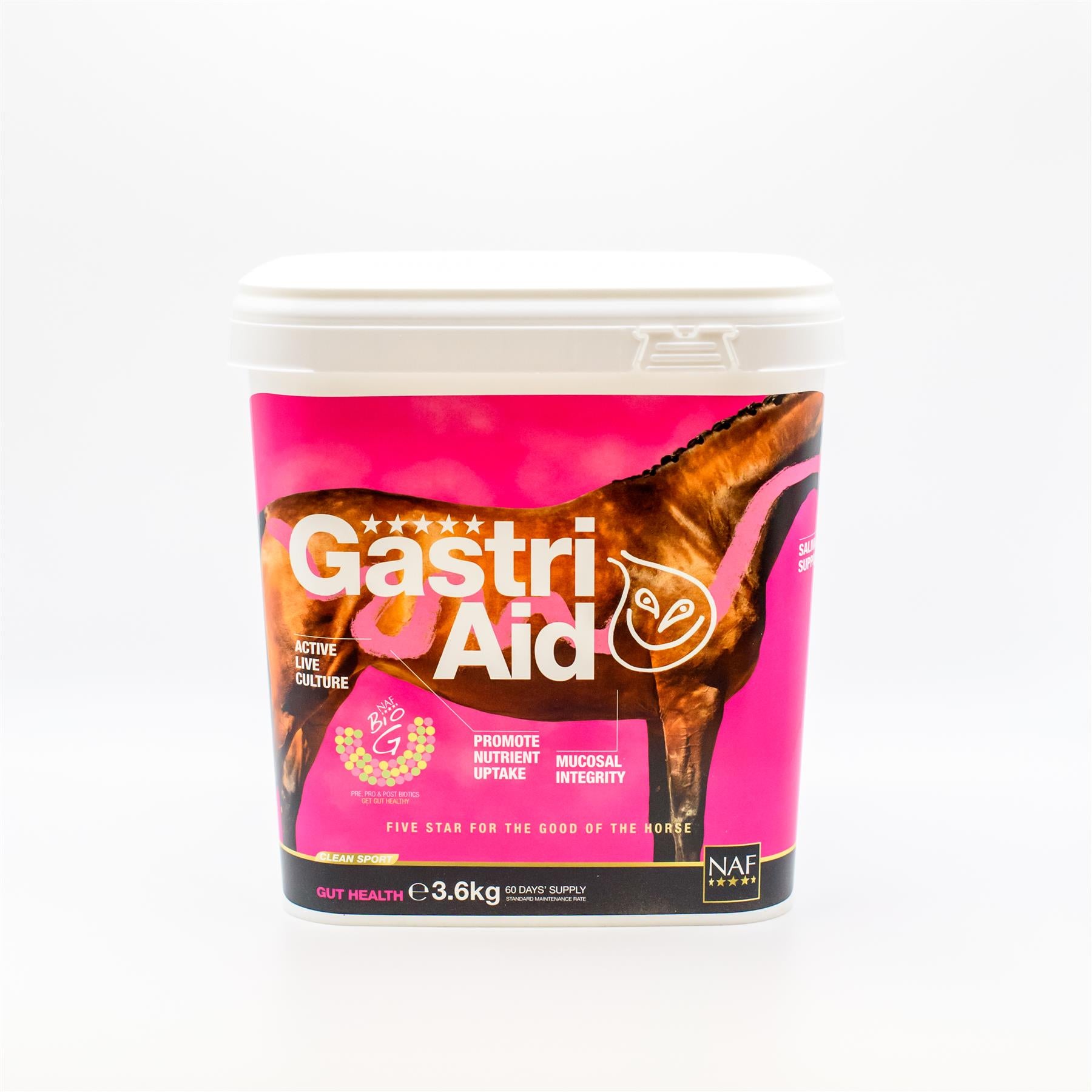
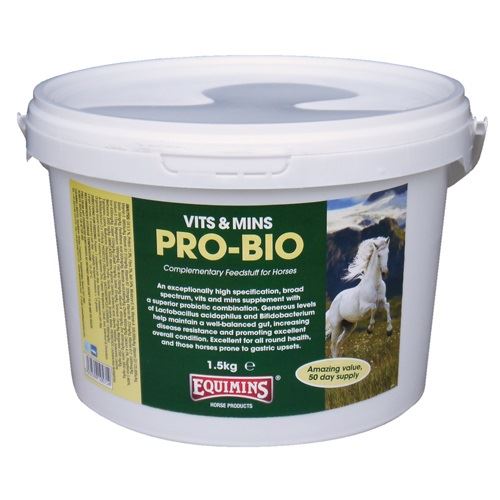
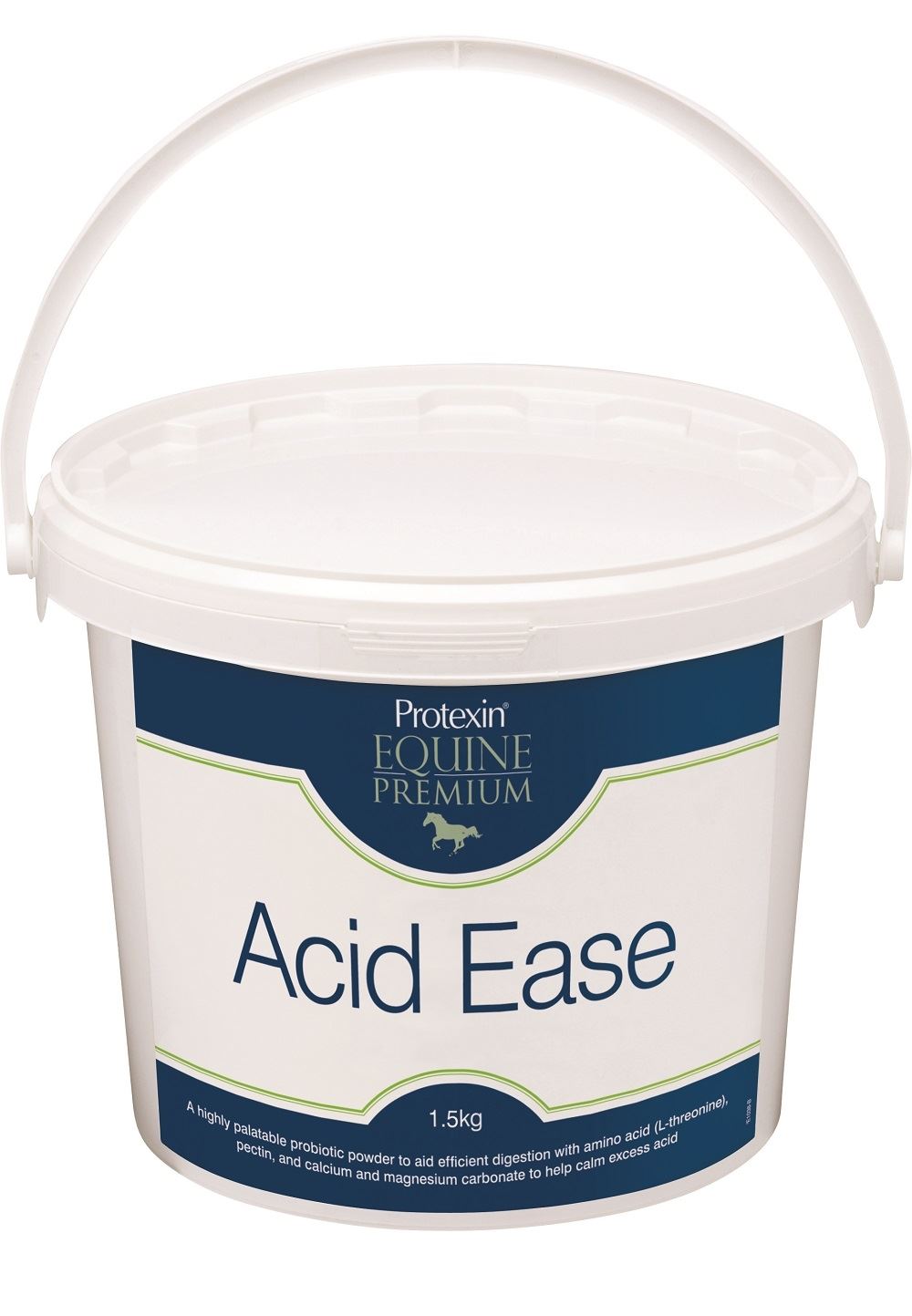
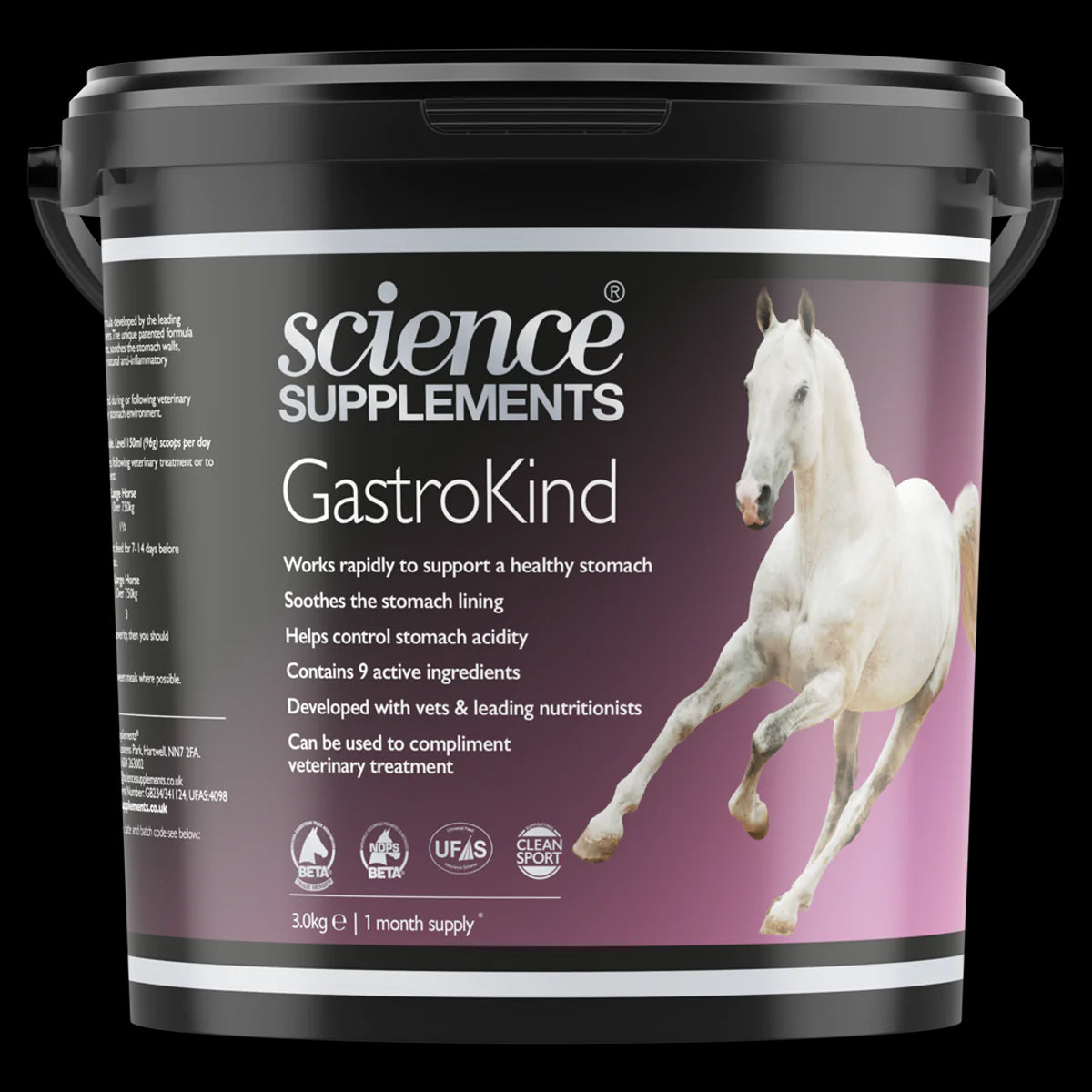
A horse's digestive system is built for a steady trickle of forage, so it doesn't take much — stress, travel, spring grass, box rest, a feed change — to upset the balance. Digestive supplements support gut health with pre- and probiotic gut balancers, live yeast, psyllium husk (for horses on sandy grazing), and herbal blends for gastric comfort, plus milk thistle for liver support. Just Horse Riders stocks over 250 options from brands including Protexin, NAF, Dodson & Horrell and Hilton Herbs, from around £10.
Free UK delivery over £50 · Fast next-day delivery available · 90-day returns · Family-run UK retailer since 2010.
Gut-health advice from the Just Horse Riders team — last reviewed June 2026. Supplements support a healthy gut; suspected ulcers, colic or sudden changes need your vet, not a supplement.
Digestive support at a glance
| Type | Best for |
|---|---|
| Gut balancer (pre/probiotic) | Everyday support, stress, travel, feed changes |
| Live yeast | Fibre digestion support, good doers on limited grazing |
| Psyllium husk | Horses grazing sandy paddocks |
| Herbal gastric comfort | Horses prone to tension-related tummy upset |
| Milk thistle | Traditional liver and detox support |
Gut health basics first
Before any supplement: maximise forage, feed little and often, make every feed change over one to two weeks, keep water clean, and keep a routine. Most digestive wobbles trace back to one of those. A gut balancer then earns its keep during the risky moments — antibiotics, travel, competition, spring grass and box rest.
Worried about ulcers?
Gastric ulcers are common in stabled and competition horses, but they are a veterinary diagnosis — signs like girthiness, poor appetite and grumpiness under saddle deserve a vet conversation, not guesswork. Supplements in this range support gastric comfort and a healthy gut; they are not ulcer treatments.
Digestive favourites
- The classic gut balancer: Protexin Gut Balancer (from £13.39).
- For sandy grazing: NAF Psyllium Husk (from £19.67).
- Liver support: Dodson & Horrell Milk Thistle (from £10.76).
- Herbal comfort: Bradshaws Coligone Liquid (from £14.91).
- Golden all-rounder: NAF Turmeric Plus (from £12.97).
Frequently asked questions
What helps a horse's digestion?
Management first: constant access to forage, feeds little and often, slow feed changes and low stress. A daily gut balancer then supports the gut through risky periods like travel, antibiotics and spring grass.
Do probiotics work for horses?
Pre- and probiotic gut balancers are widely used and well tolerated, and many owners report steadier digestion — particularly around stress and feed changes. They support the gut's own bacteria rather than acting as medicine.
What are the signs of gastric ulcers in horses?
Girthiness, reluctance under saddle, poor appetite, weight loss or a dull coat can all point that way — but only a vet can diagnose ulcers. If you suspect them, book the vet; supplements here support gastric comfort, they do not treat ulcers.
When should I feed psyllium?
Psyllium is traditionally fed in courses (for example one week a month) by owners whose horses graze sandy paddocks, to support the natural clearance of ingested sand. Follow the product's feeding guide.
Not sure where to start? Tap the WhatsApp button at the bottom of the screen and one of the team will help.