
Horse Muzzles
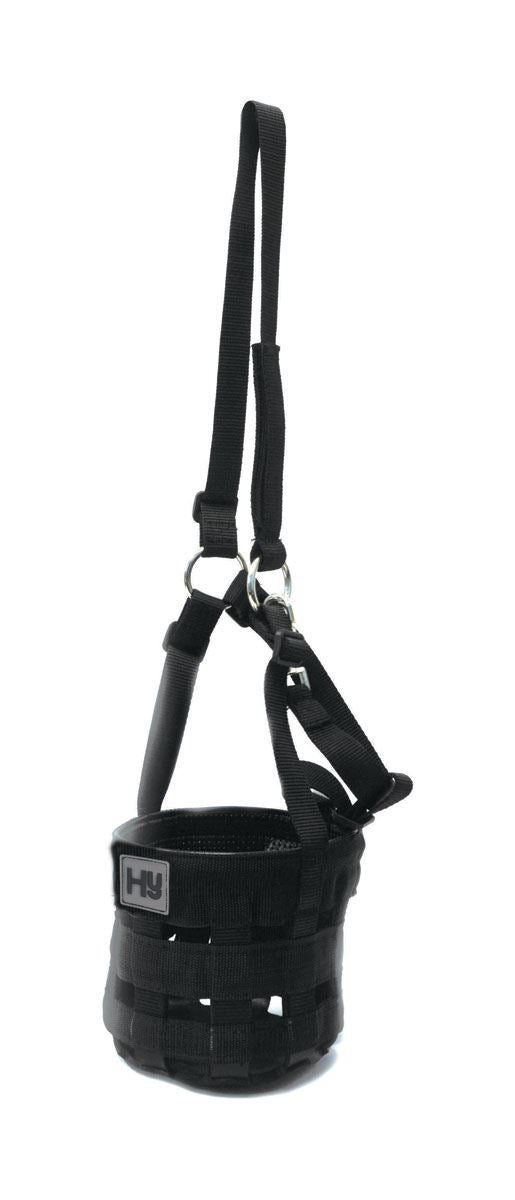
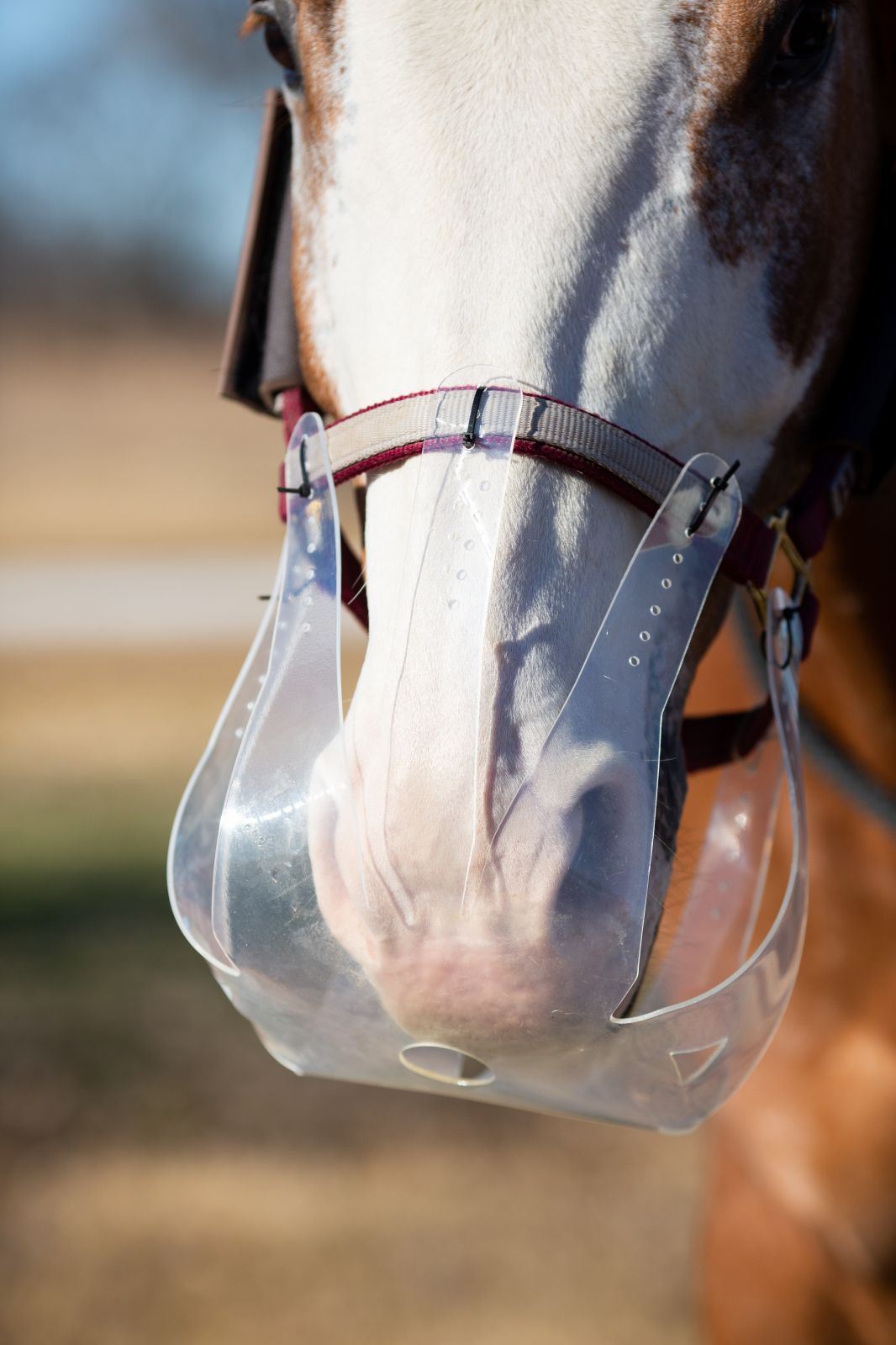

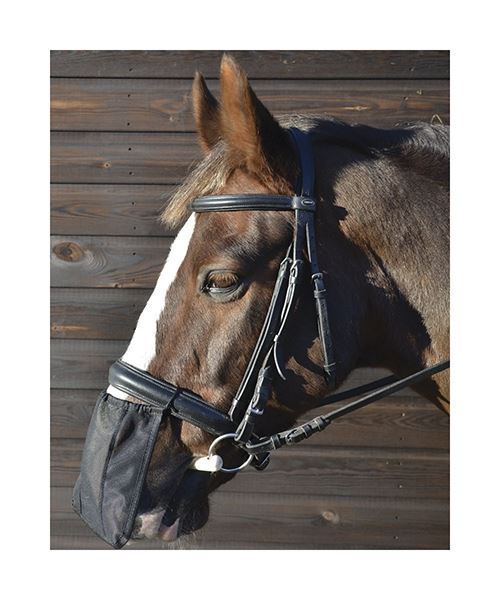
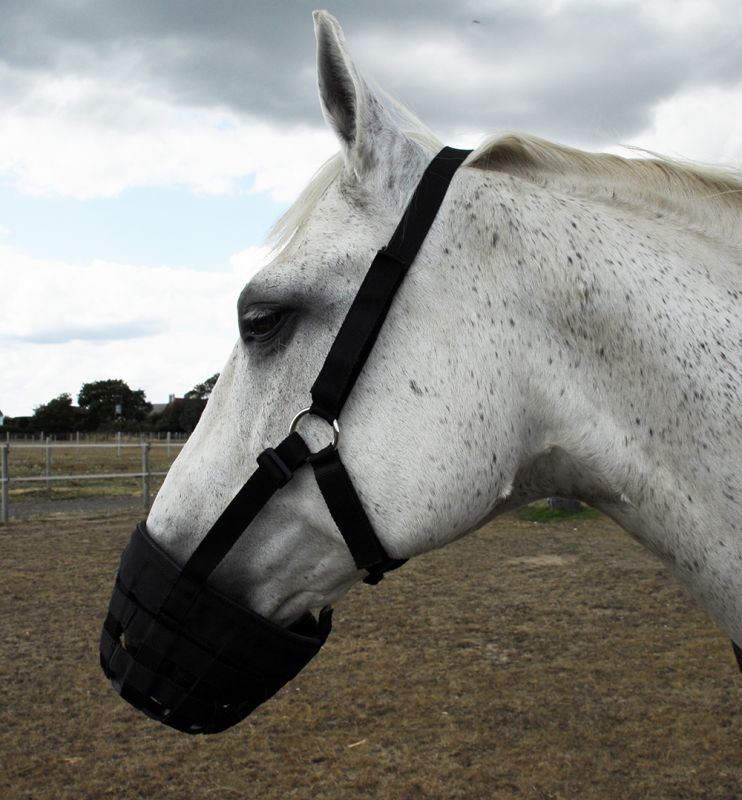
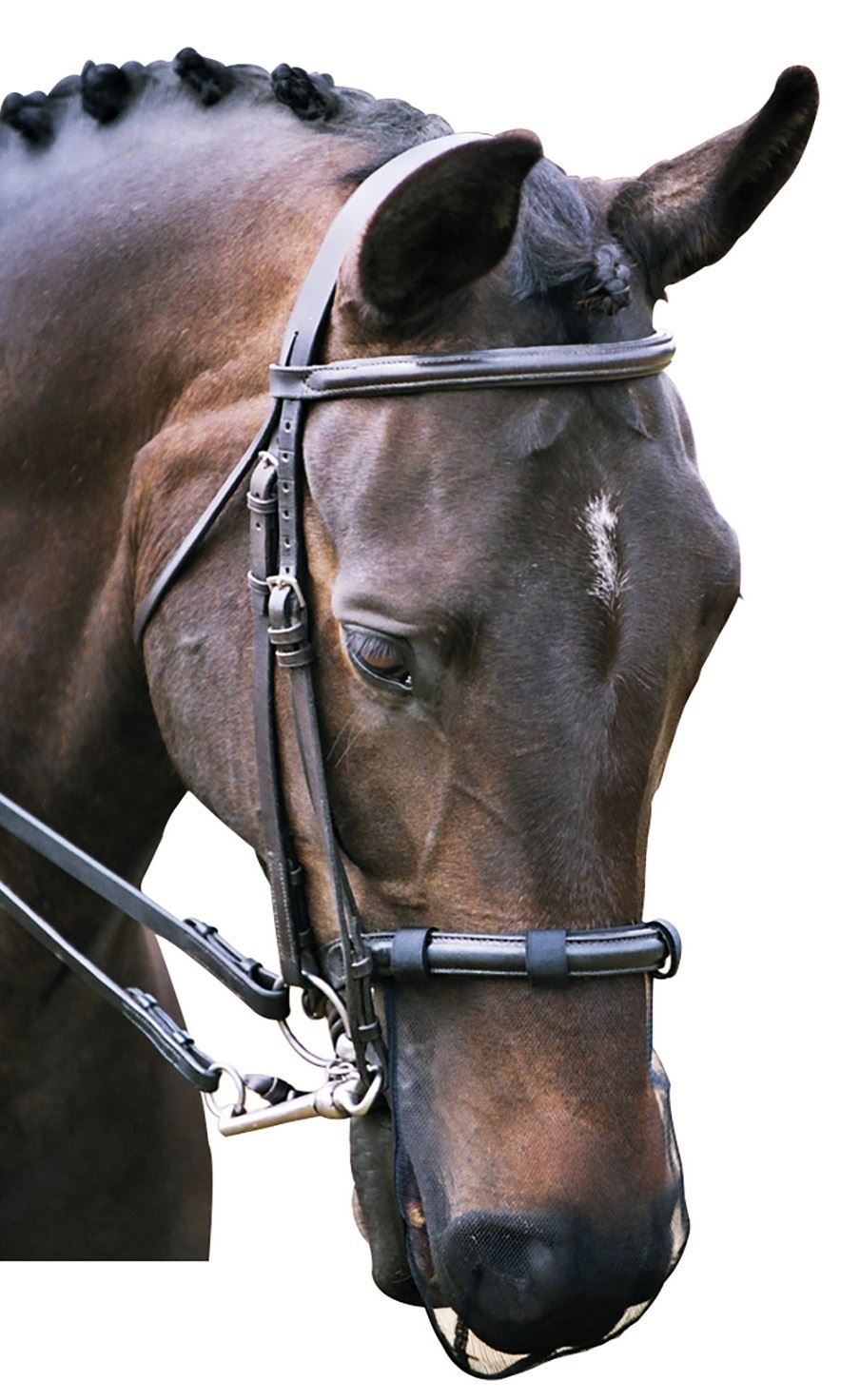
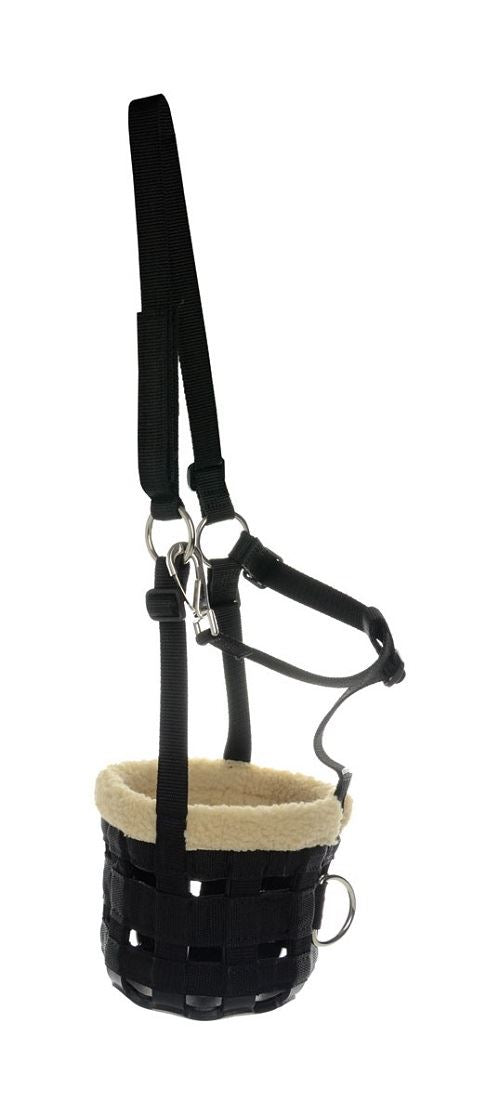
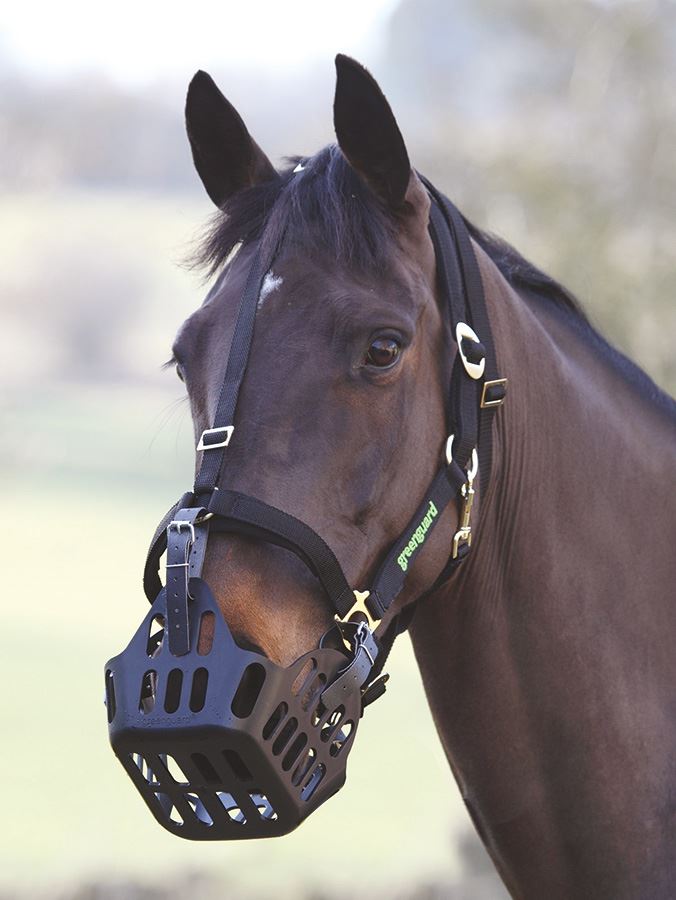
Grazing muzzles let good-doers and laminitis-prone horses live out with the herd while taking in far less grass — the design allows trickle eating and drinking through a hole in the base rather than stopping grazing altogether. The choices that matter are size and fit (room for the jaw to move, nothing rubbing), comfort features like fleece or padded linings for longer daily wear, and the style of muzzle — from simple rubber-based designs to lightweight flexible baskets. Just Horse Riders stocks grazing muzzles and spares from brands including Shires, Hy Equestrian and ThinLine, from around £9.
Free UK delivery over £50 · Fast next-day delivery available · 90-day returns · Family-run UK retailer since 2010.
Grazing muzzle advice from the Just Horse Riders team — last reviewed July 2026.
Choosing a grazing muzzle
| Choice | What it means |
|---|---|
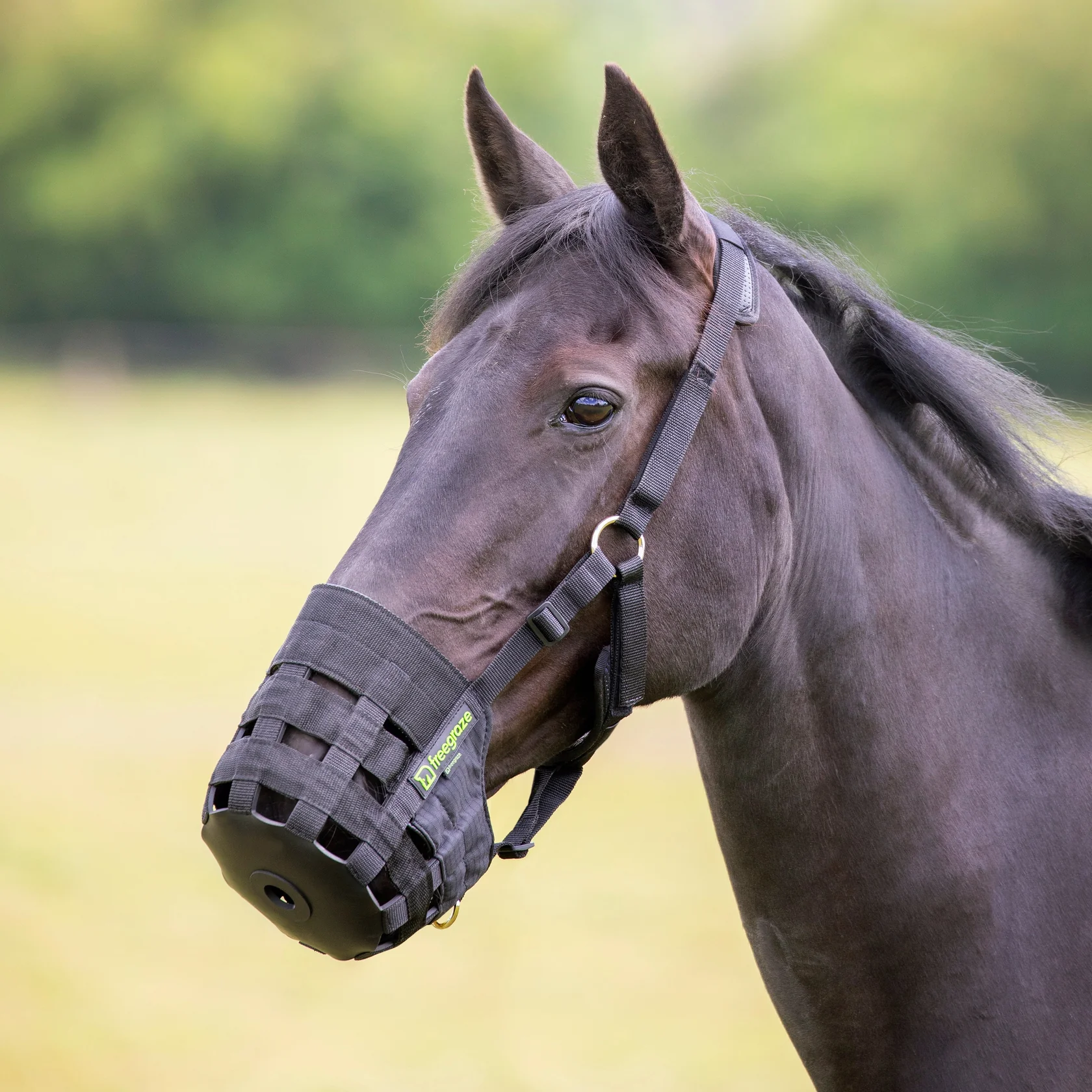
| Standard rubber-base muzzle | Nylon straps with a tough rubber base and a hole underneath — grass comes through slowly so the horse trickle-feeds instead of gorging. The everyday, budget-friendly choice. |
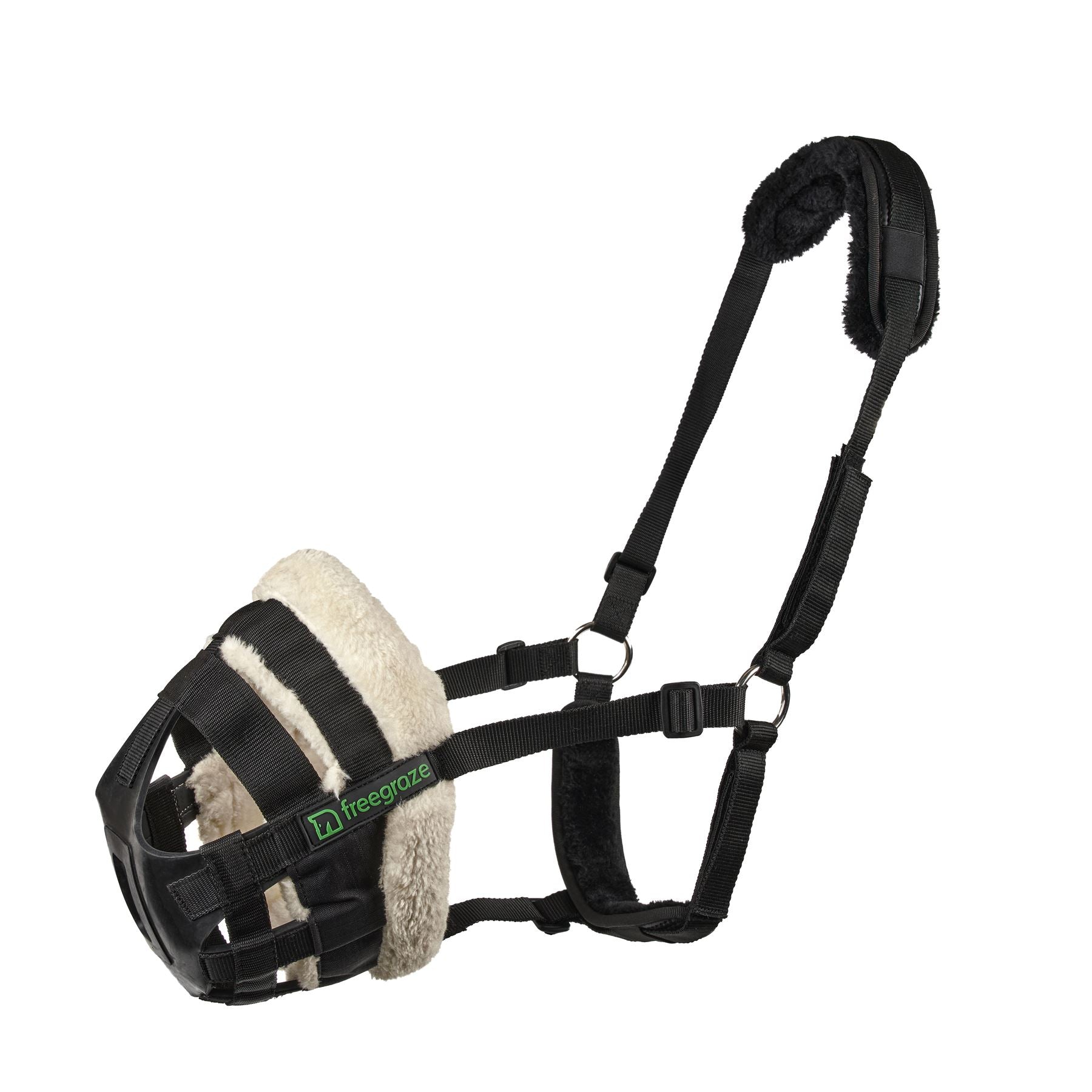
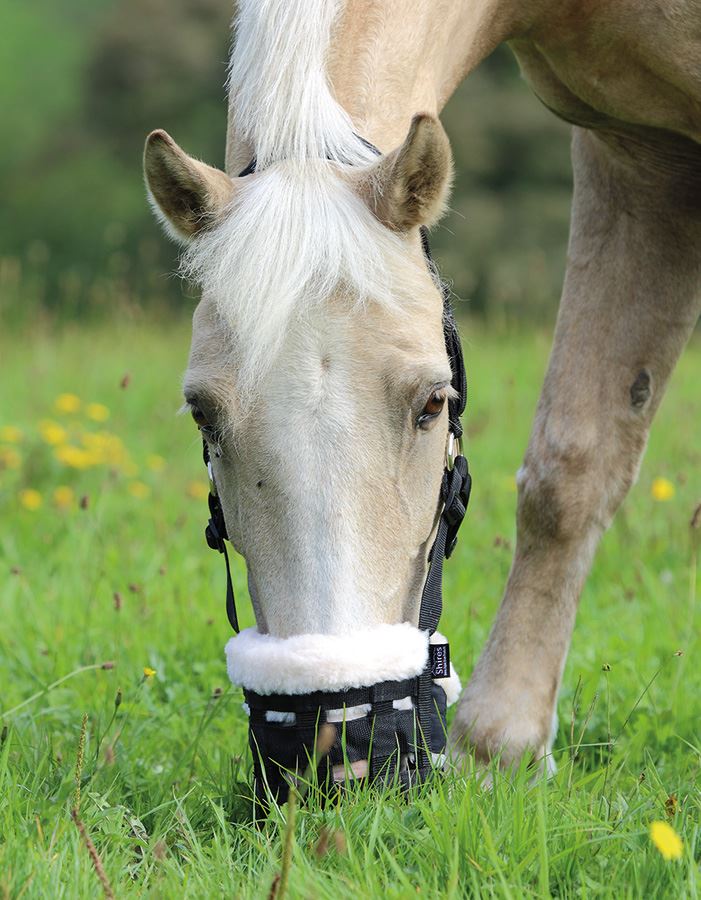
| Padded comfort designs | Fleece or comfort padding where the muzzle touches the nose, chin and poll. Worth the small extra cost if the muzzle will be worn for several hours a day. |
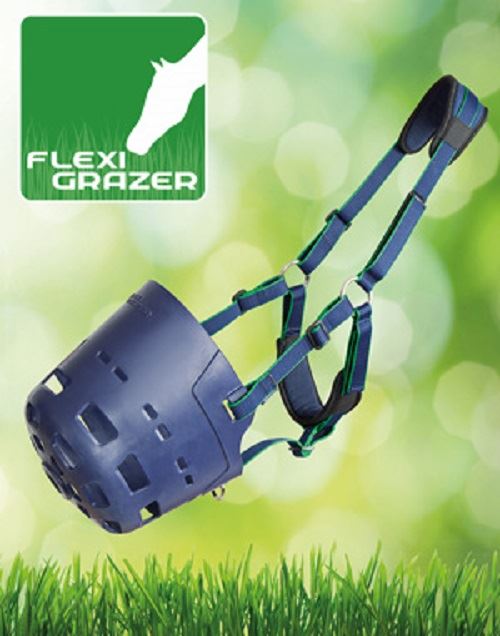
| Lightweight flexible muzzles | Soft, flexible material that moves with the jaw and weighs less on the head — designs like the ThinLine Flexible Filly and Shires Flexi Grazer suit horses that resent a rigid muzzle. |
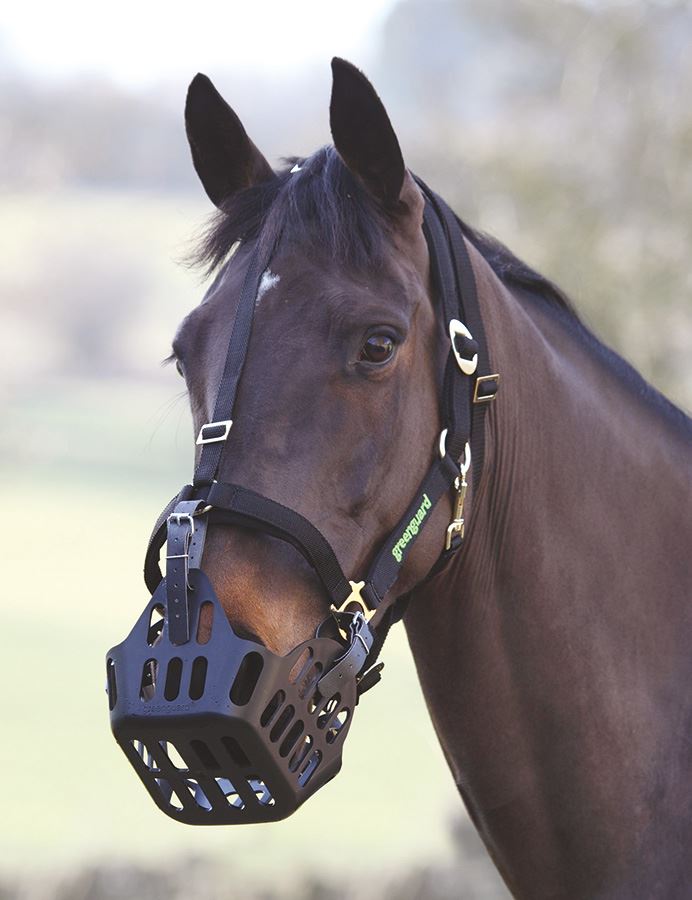
| Trickle-grazing baskets | Open basket designs such as the vet co-designed Shires Greenguard give plenty of airflow and unrestricted drinking; they attach to a matching headcollar, sold separately. |
| Size and fit | Sizes typically run from Small Pony up to X-Full. The muzzle should stay put without pressing on the face — allow room for the mouth to open and chew, and check daily for rubs. |
Getting the fit right
A grazing muzzle should be secure enough not to spin or slip, but never tight. Leave room for the horse to open its mouth and chew freely, keep the base clear of the nostrils, and make sure nothing presses or rubs — fleece padding at the noseband and headpiece helps a lot here. Choose a muzzle with field-safe (breakaway) fastenings for turnout, adjust the head and throat straps properly, and check the face daily for any rub marks so you can act before they become sore.
Introducing a muzzle and how long to leave it on
Introduce the muzzle gradually over a few days: let the horse sniff it, reward calm behaviour, and feed a few treats or handfuls of grass through the hole so wearing it becomes a positive experience before full turnout. Muzzled time should be limited — a common guideline is a maximum of around 10–12 hours a day, and never 24/7, because horses need muzzle-free time to eat, drink and socialise normally. If you are managing weight or laminitis risk, the muzzle is one part of a bigger plan — work with your vet or nutritionist on the overall approach.
Grazing muzzle favourites
- Budget starter: Hy Muzzle (from £14.92) — simple nylon muzzle with a robust rubber base and clip throat lash, in sizes from X-Small Pony to X-Large.
- Everyday comfort pick: Shires Deluxe Comfort Grazing Muzzle (from £20.70) — comfort padding inside, cut back under the chin and field-safe fastenings, in five sizes.
- Flexible and washable: Shires Flexi Grazer Muzzle (from £29.70) — flexible, washable muzzle with a padded ergonomic harness for horses that dislike a rigid basket.
- Trickle-grazing basket: Shires Greenguard Muzzle (from £67.50) — vet co-designed open basket with unrestricted breathing and drinking and a one-year breakage guarantee; headcollar sold separately.
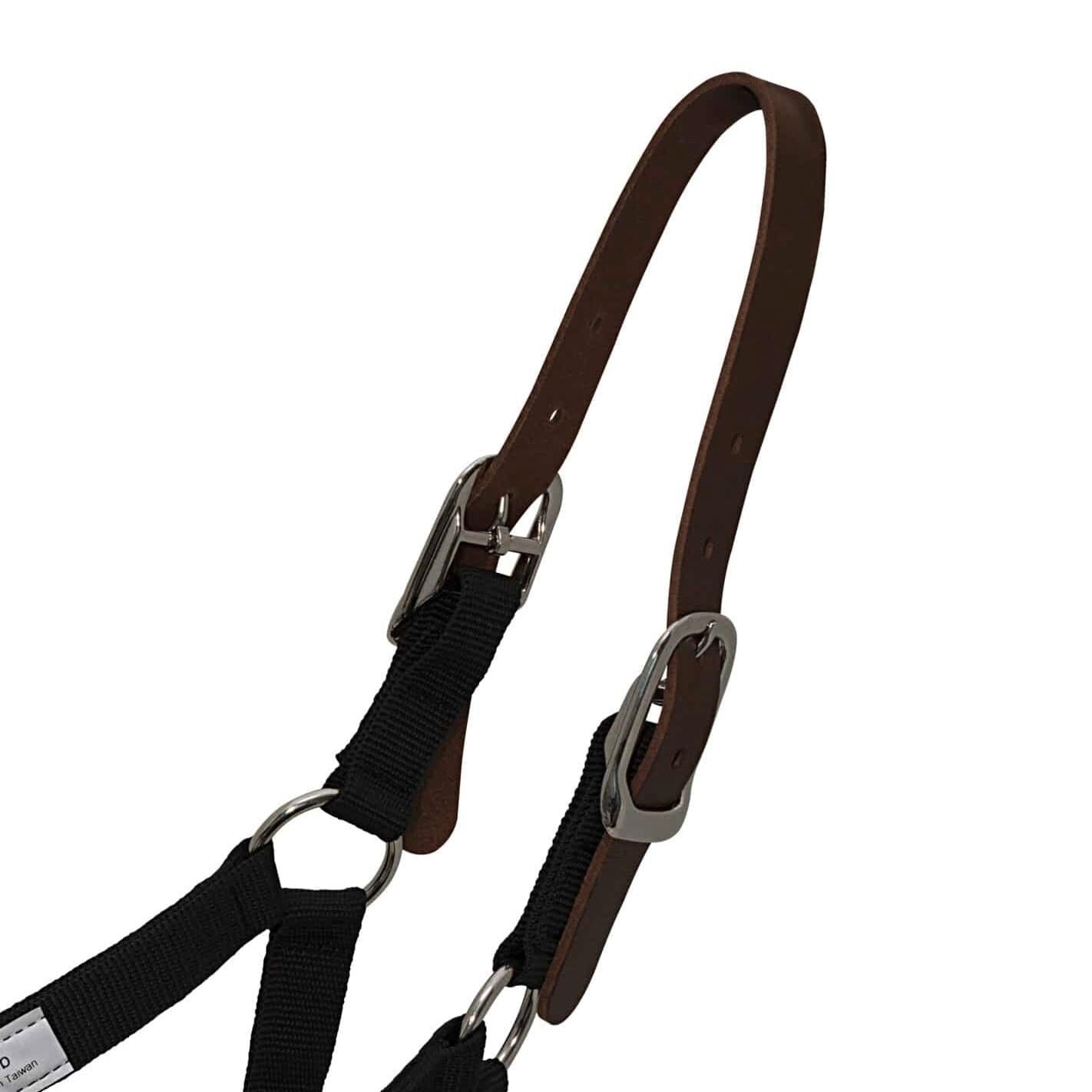
- The matching headcollar: Shires Greenguard Headcollar (from £22.50) — engineered specifically to carry the Greenguard muzzle safely and comfortably.
- Lightweight premium: ThinLine Flexible Filly Grazing Muzzle (from £88.99) — very light, flexible design with an adjustable hole size and excellent ventilation, in three sizes from mini to draft.
Frequently asked questions
How long can a horse wear a grazing muzzle each day?
Muzzled time should be limited — a common guideline is a maximum of around 10–12 hours a day, and a muzzle should never be worn 24/7. Horses need muzzle-free time every day to eat, drink and socialise normally, and the muzzle and face should be checked daily for rubs.
Can my horse still drink with a grazing muzzle on?
Yes — grazing muzzles are designed to allow drinking through the base, and open designs like the Shires Greenguard allow unrestricted drinking. Watch your horse drink with the muzzle on the first few times to be confident, and always make sure water is easy to reach in the field.
How tight should a grazing muzzle fit?
Secure, not tight. The muzzle should stay in place without pressing on the face, with room for the horse to open its mouth and chew and the base sitting clear of the nostrils. Padded or fleece-lined designs help prevent rubbing, and it is worth checking daily for rub marks, especially in the first couple of weeks.
Do grazing muzzles help laminitis-prone horses?
A grazing muzzle is a widely used way to manage grass intake for good-doers and horses prone to laminitis — it typically reduces intake substantially while still allowing trickle eating and turnout with the herd. It is a management tool, not a treatment: if you suspect laminitis or are worried about your horse's weight, work with your vet or nutritionist on a plan and use the muzzle as part of it.
Not sure which size or style to go for? Tap the WhatsApp button at the bottom of the screen and the team will be happy to help.