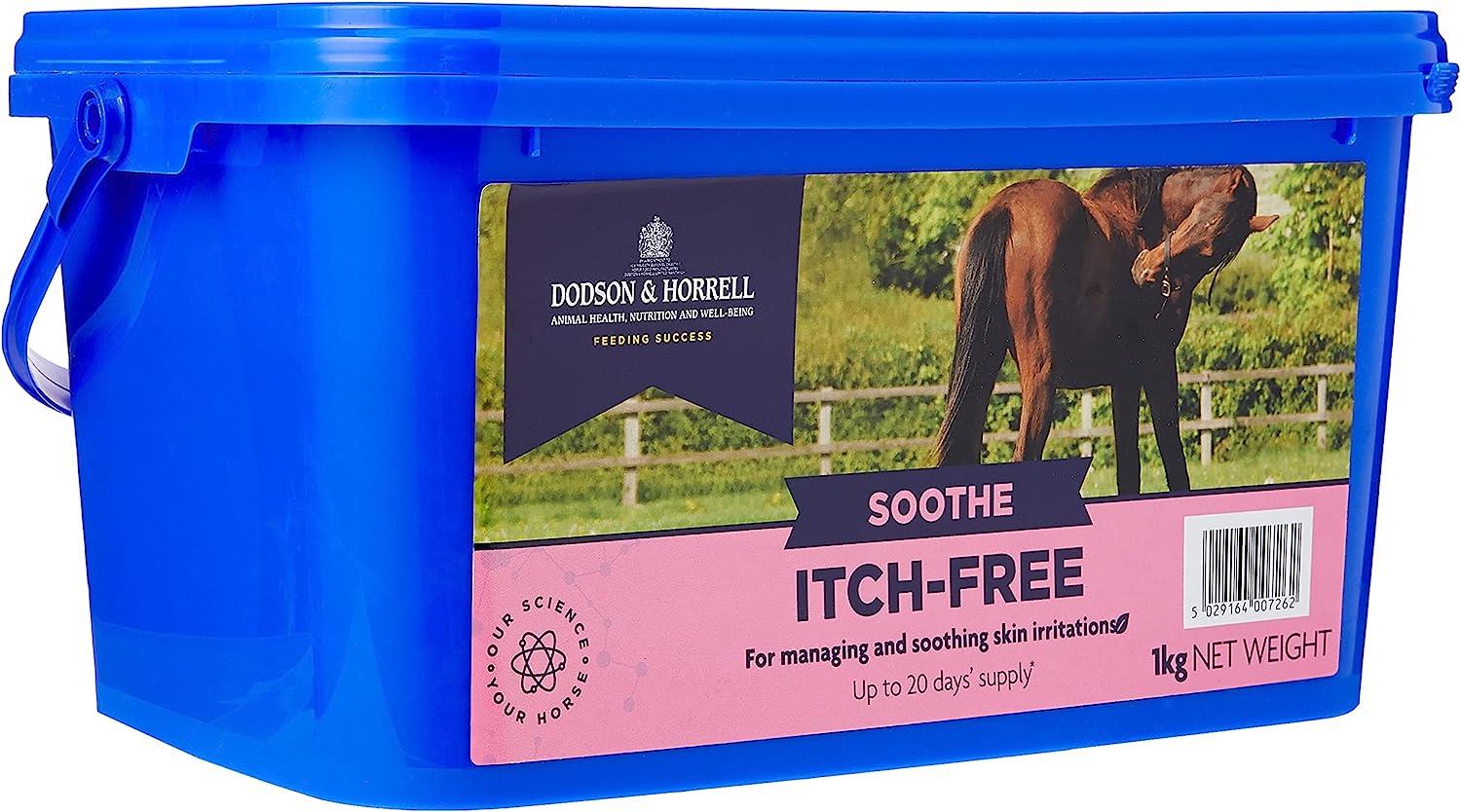
Understanding the Role of Supplements in Equine Health
When it comes to ensuring the health and vitality of horses, especially those engaging in competitive sports, supplements have emerged as a popular addition to their diet and care routine. However, supplements are not a magic potion. They should complement a comprehensive health strategy that includes proper nutrition, regular veterinary check-ups, and a well-planned training regimen.
Why Supplements Matter
Let's get one thing straight: supplements are to a horse's health what a tightrope is to an acrobat—essential for balance but not the main show. Supplements can address specific issues such as joint health, digestive concerns, or boosting performance. Yet, their success largely hinges on quality, bioavailability, and evidence-based backing. In simpler terms, it’s not just about what’s on the label; it’s about what actually works in the horse’s body.
Navigating the Supplement Aisle: Key Considerations
Quality Over Quantity
Choosing the right supplement is akin to selecting a car—performance depends on what's under the hood. The bioavailability of a supplement plays a crucial role in its effectiveness. A high-quality supplement that is poorly absorbed is as useful as a chocolate teapot. So, always aim for products with verified absorption rates and a track record of quality.
Evidence-Based Decisions are Your Best Friend
Before making your purchase, consider whether there's scientific grounding behind the supplement's claims. Companies that pool resources into research ensure their product delivers on its promises, much like a restaurant that boasts a full house reservations table—not foolproof, but certainly a good sign.
Consult the Experts
Here's a pro tip: before you go all in on a cutting-edge supplement, have a chat with a veterinarian. These professionals can ensure that the supplement aligns with your horse’s specific needs. It’s like consulting a financial advisor before investing in stocks, ensuring your resources are directed wisely for a healthier return on investment.
Timing and Best Practices for Administering Supplements
Timing the administration of supplements can be as crucial as the supplement choice itself. Consistency in feeding helps maintain steady therapeutic levels, much like how consistent gym workouts enhance fitness over time. If the goal is recovery or stress alleviation during competitions, timing becomes even more acute.
Administer with Care
Always be strategic about dosages. Begin with the recommended amount, adapt based on your horse’s response, and maintain open lines of communication with your vet for the best outcomes.
Towards a Holistic Approach: The Bigger Picture
The term "multimodal approach" might sound like corporate jargon, but in the realm of equine health, it entails a collaboration among veterinarians, farriers, trainers, and, of course, the owners. Think of it as the Avengers assembling, only with fewer capes and more commitment to the horse’s well-being.
Regulatory standards too play a pivotal role. These vary across countries, and understanding them is crucial to ensure compliance and safety.
Peering Into the Future: Equine Medicine
The field of equine medicine is evolving, with innovations such as regenerative therapies offering new treatment possibilities. As this frontier expands, the role of supplements can only be expected to grow, offering a more targeted approach to enhancing horse health and performance.
Conclusion: The Balanced Strategy
Ultimately, supplements can significantly boost your horse's health if chosen with care and incorporated as part of a comprehensive strategy. By tacking on the use of supplements within an already strong framework of nutrition, vet care, and training, horse owners can ensure their equine partners not only survive but thrive, prancing towards longevity and optimal performance.
Intrigued to learn more about this topic? Check out "Using Supplements as Part of a Broader Horse Health Strategy" by Haylie Kerstetter on TheHorse.com.