The Unsung Heroes: Working Animals in Disaster Relief
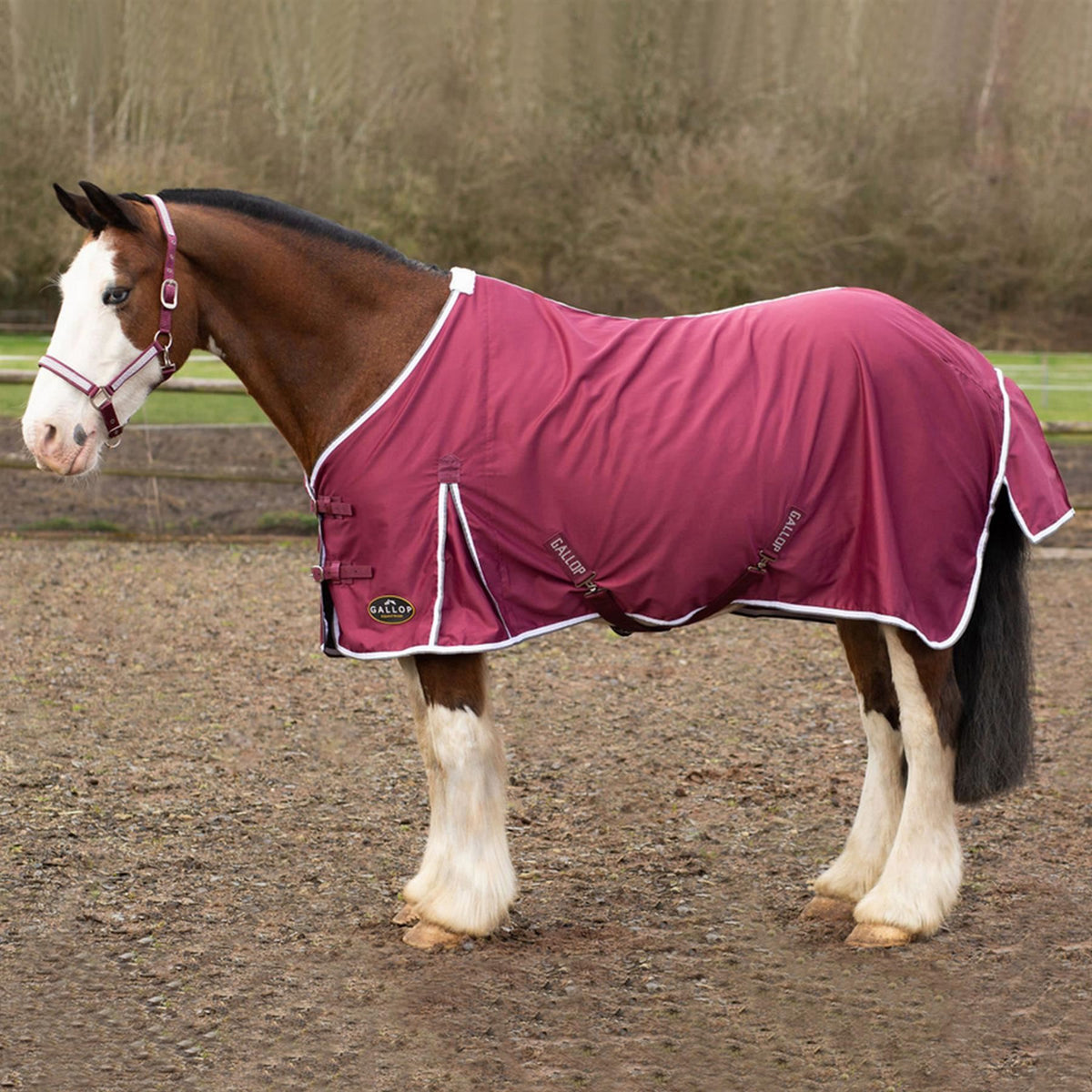
The spotlight has finally shifted to some of the most resilient workers in disaster mitigation—those who work on four legs. Working animals, particularly horses, donkeys, and mules, have been formally recognized by the United Nations for their pivotal role in disaster risk reduction. This acknowledgment, secured after relentless advocacy from various animal welfare organizations, paints these animals as indispensable allies in times of crisis.
Behind the Scenes: The Role of Working Animals
When disaster strikes, the first images might be of human bravery and technology coming to the rescue. However, lurking quietly and efficiently in the background are working animals, who have been dubbed the unsung heroes of disaster scenarios. These hardy creatures are often tasked with transporting resources, evacuating people, and navigating terrains too tough for vehicles. Indeed, they are also lifelines in low- and middle-income countries, where they play a crucial role in upholding the economic fabric.
A Decade of Advocacy: The Journey to Recognition
The journey to this acknowledgment was anything but straightforward. The International Coalition for Working Equids (ICWE), comprising notable organizations such as Brooke, The Donkey Sanctuary, and World Horse Welfare, championed this cause. For nearly a decade, they lobbied for the inclusion of working animals in frameworks such as the Sendai Framework for Disaster Risk Reduction. Their tireless efforts paid off on November 26 when the UN formally recognized the invaluable contributions of these animals in its resolutions.
Real-Life Impact: Tales from the Trenches
The vital role of working animals becomes sharply apparent in the aftermath of disasters. A case in point is the 2023 earthquake in Morocco, where horses and donkeys were the unsung carriers of aid, reaching isolated communities otherwise inaccessible. Linda Edwards, CEO at SPANA, testified to witnessing these life-saving efforts firsthand, further emphasizing the intrinsic value these animals bring to disaster relief efforts.
Aligning with Global Goals: SDGs and More
Recognition from the UN also harmonizes with broader aims such as the Sustainable Development Goals (SDGs). Working animals are pivotal in these strides towards sustainability, playing a direct role in enhancing community resilience—key in low- and middle-income countries where they are often the backbone of the community. Jessica Stark, Chair of ICWE, is quoted celebrating this global acknowledgment as a boost for both animals and the communities dependent on them.
Looking Forward: What This Means for Policy
As we move forward with this newfound recognition, countries are being urged to integrate protection and support for working animals into their national disaster policies. Not only does this enhance community resilience, but it also cements the role of these animals in disaster management plans. As the climate challenges grow, such measures will prove indispensable in creating sustainable, resilient communities.
Conclusion: Saluting the Heroes
The UN's recognition of working animals as vital contributors to disaster management is more than a nod to the animals; it is a testament to the unwavering efforts of organizations advocating for their place in emergency frameworks. As disasters become an increasing threat, recognizing and incorporating every team's strength, including working animals, becomes quintessential to addressing global challenges.