
Field & Fencing
Good fences, quiet fields.
Electric fencing, posts, gate handles and field essentials - everything that keeps turnout safe and where it should be.
Horse Field & Fencing
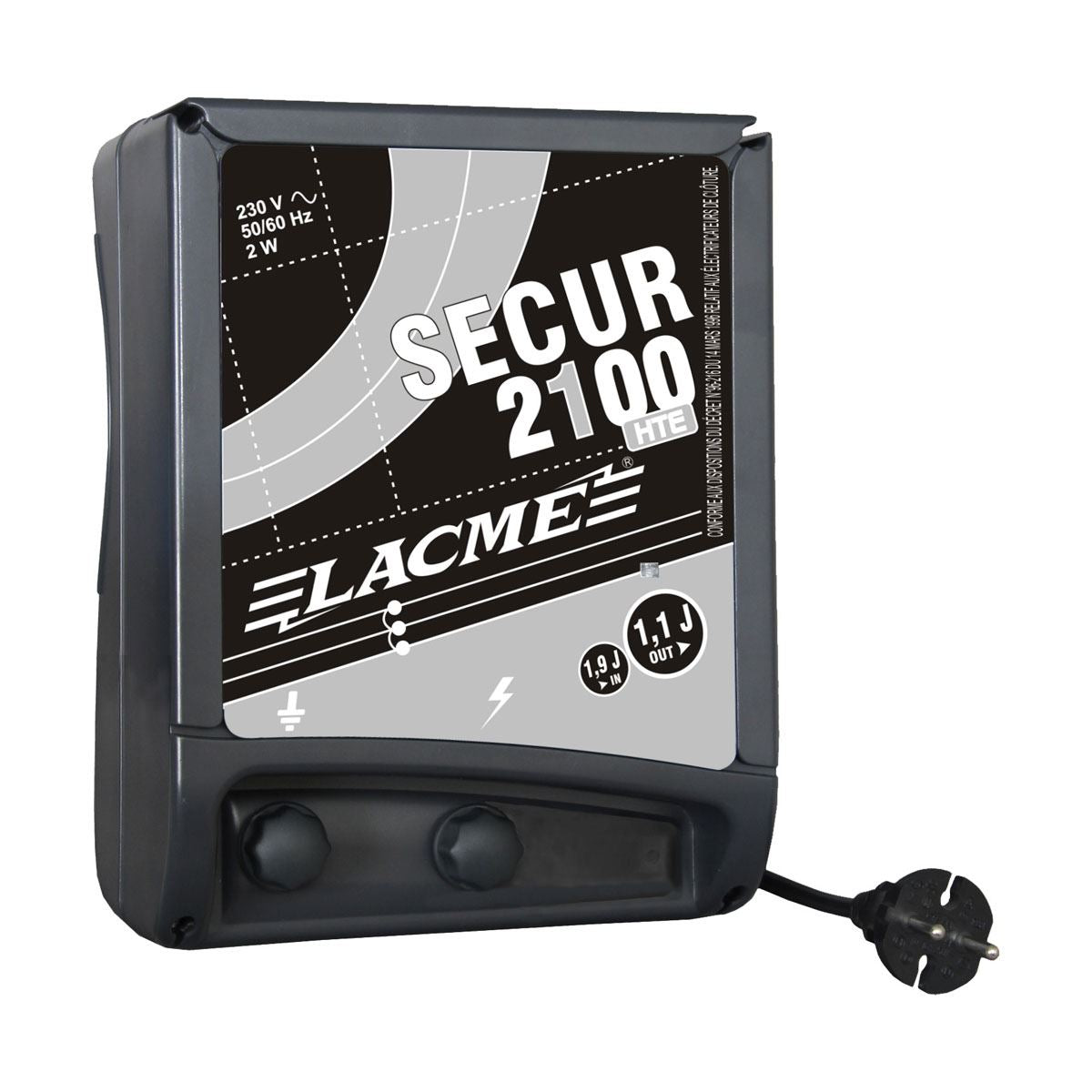
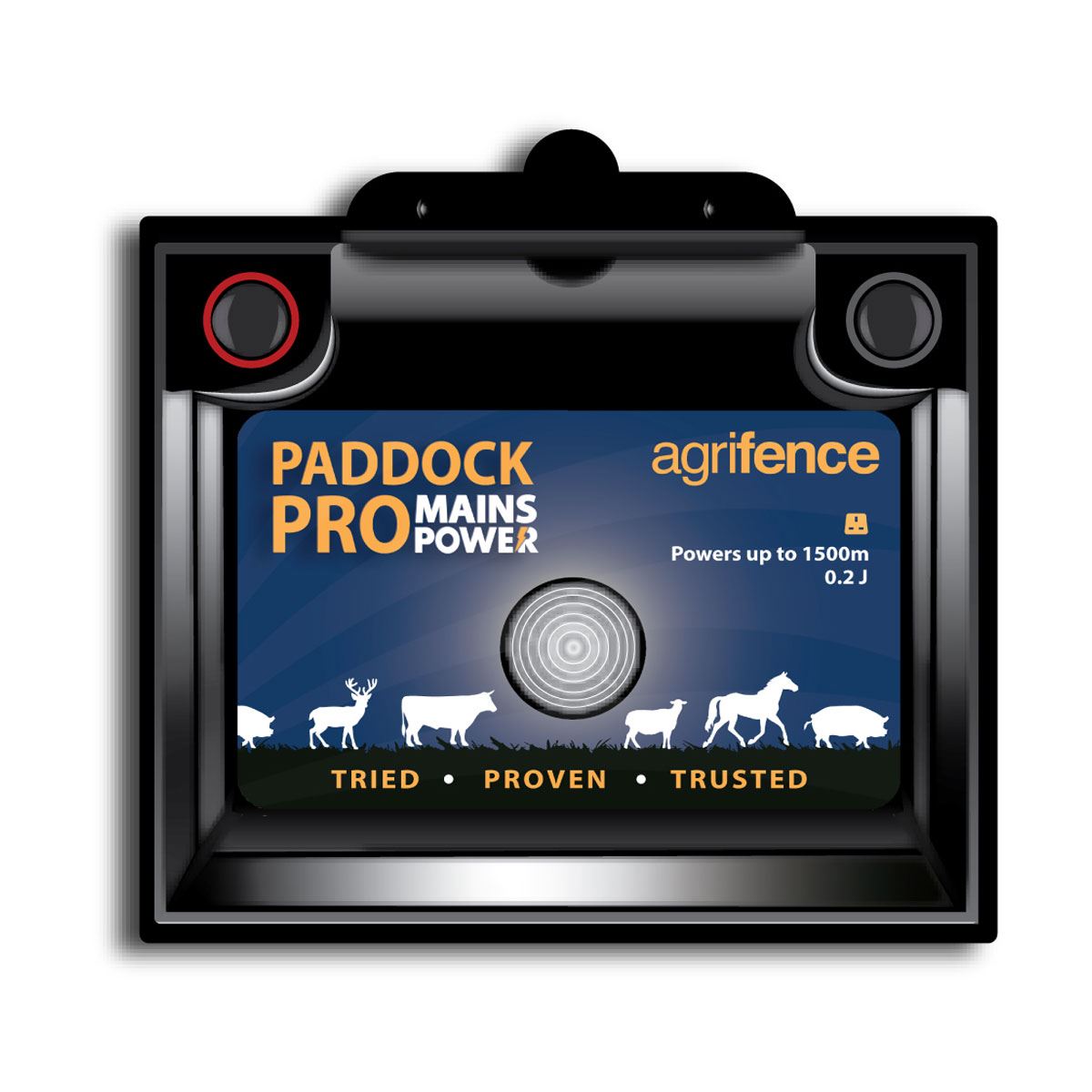
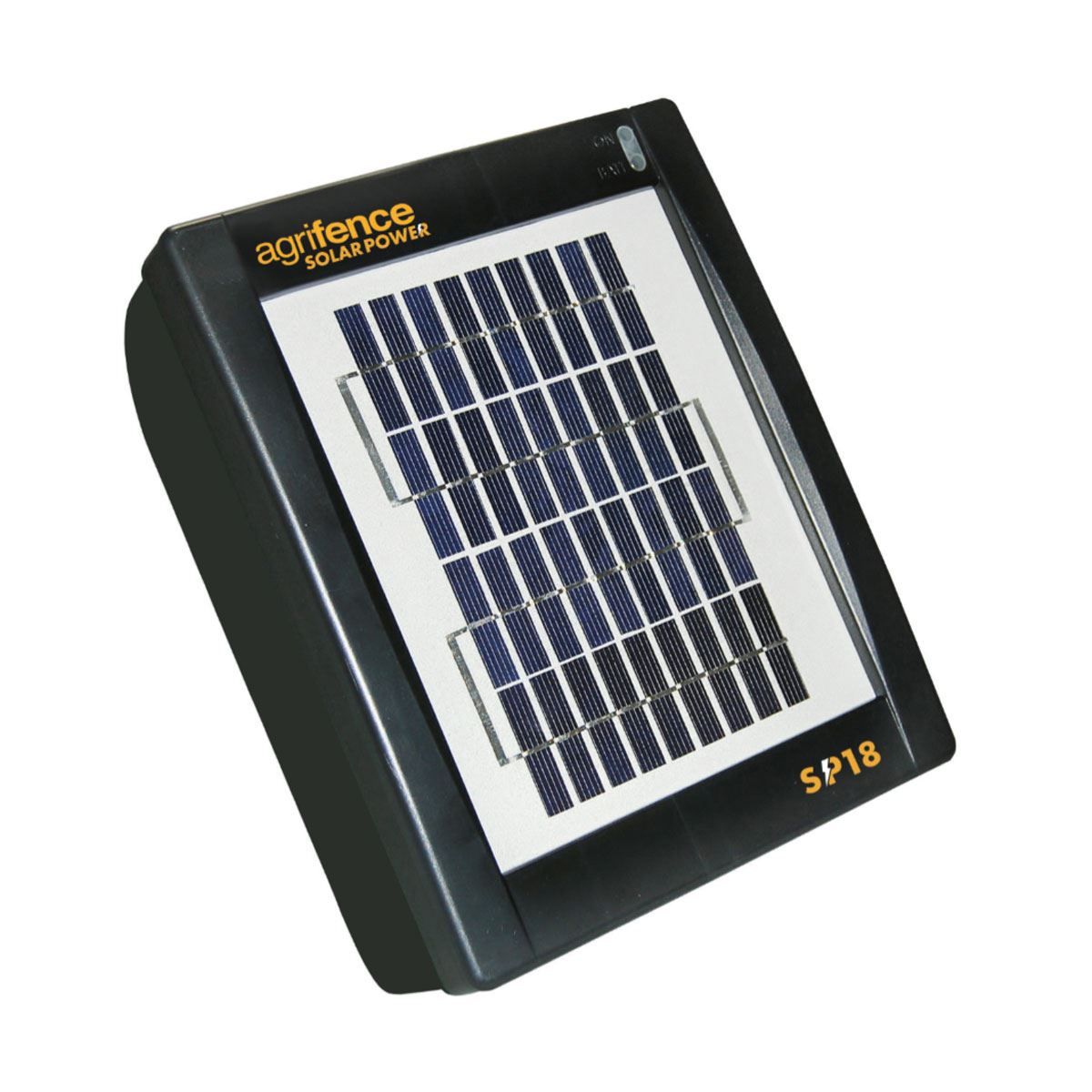

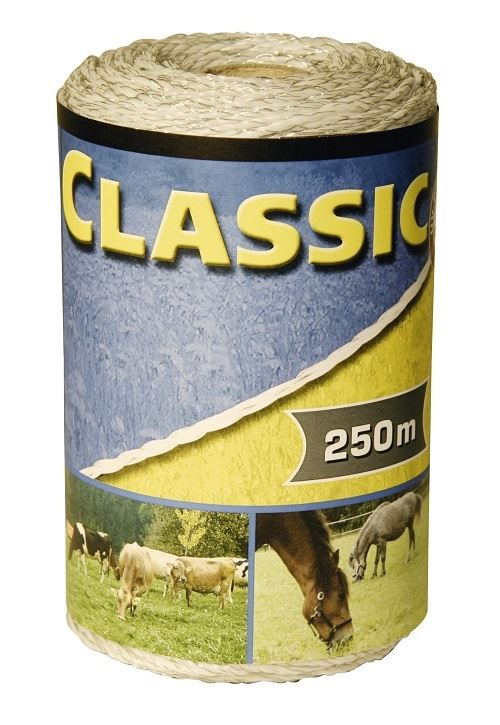
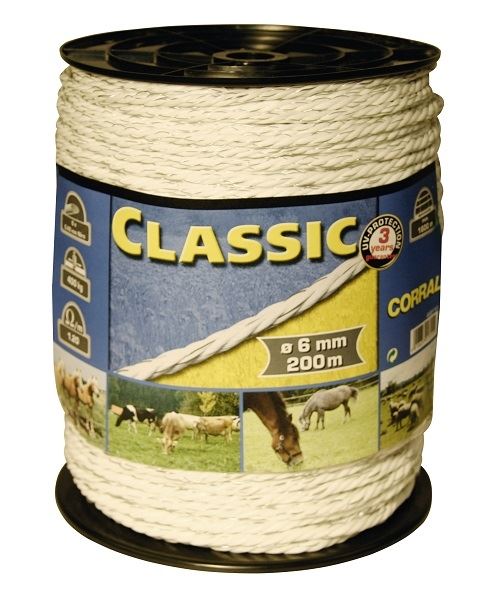
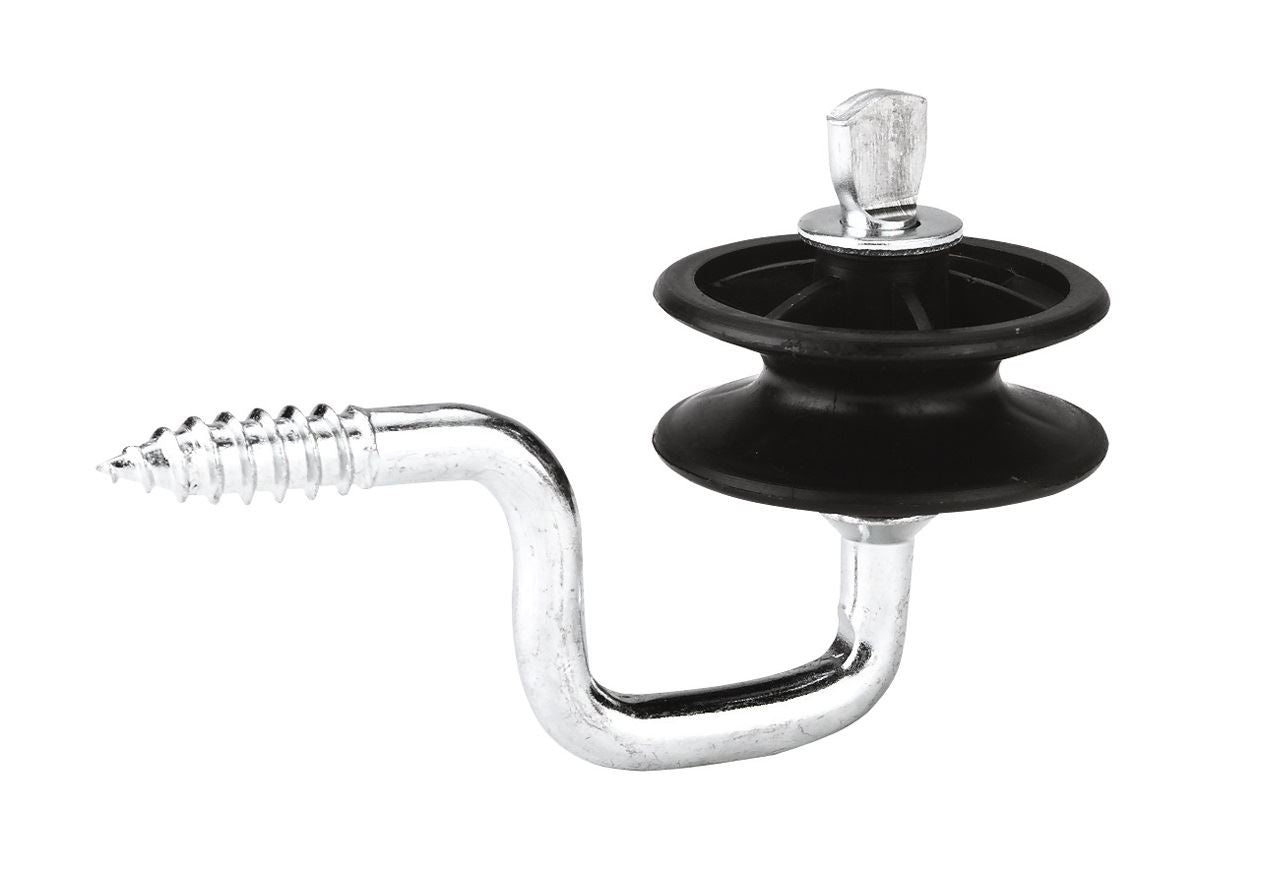
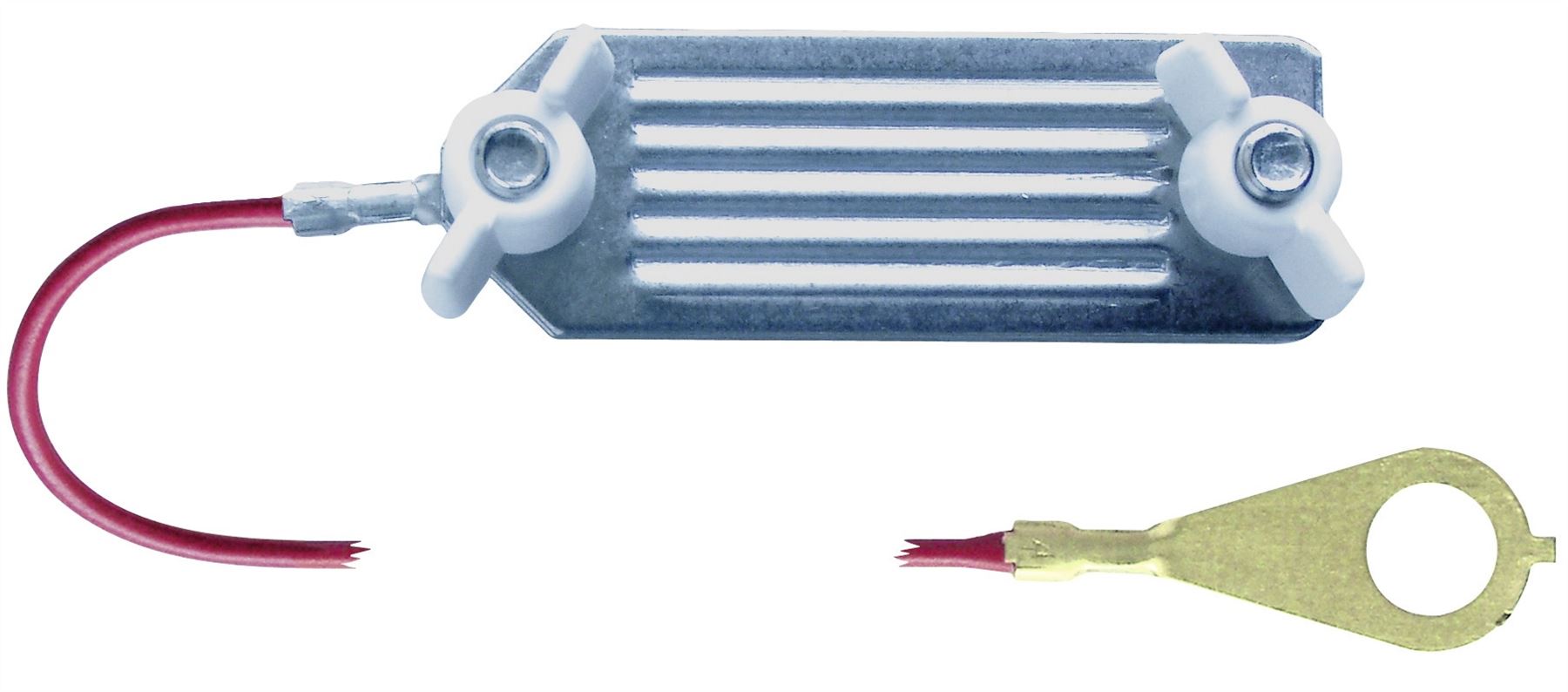
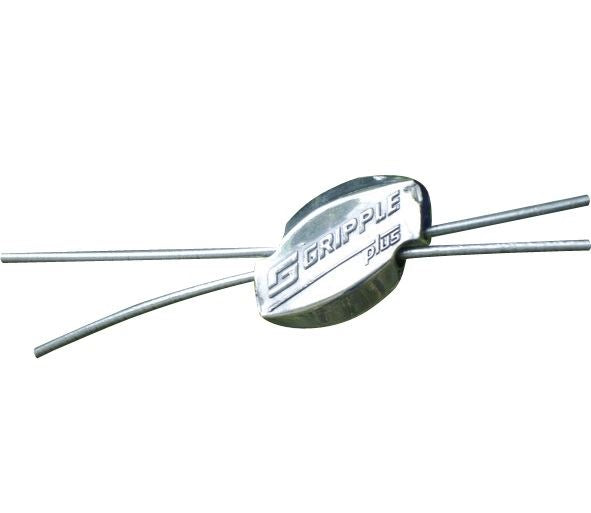
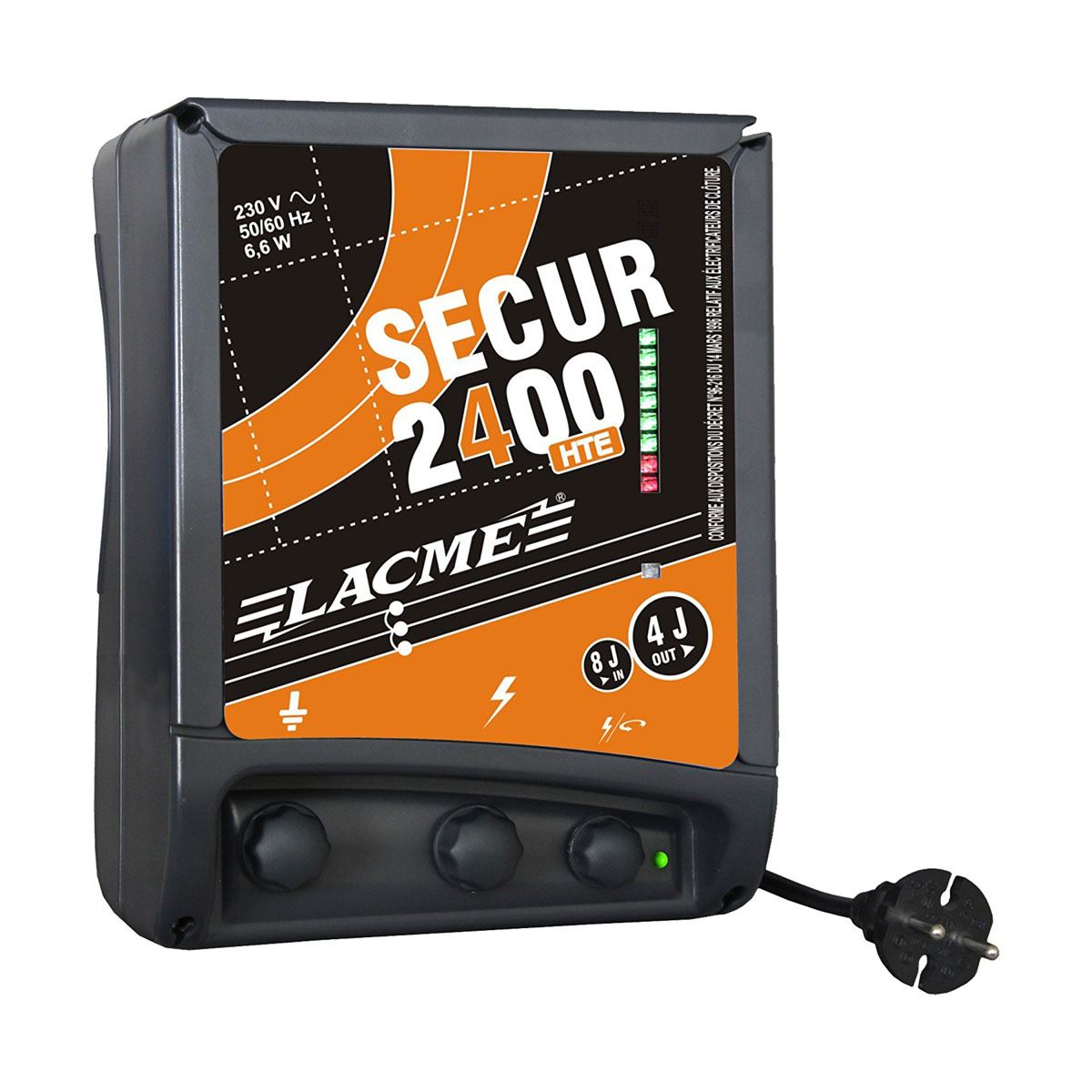
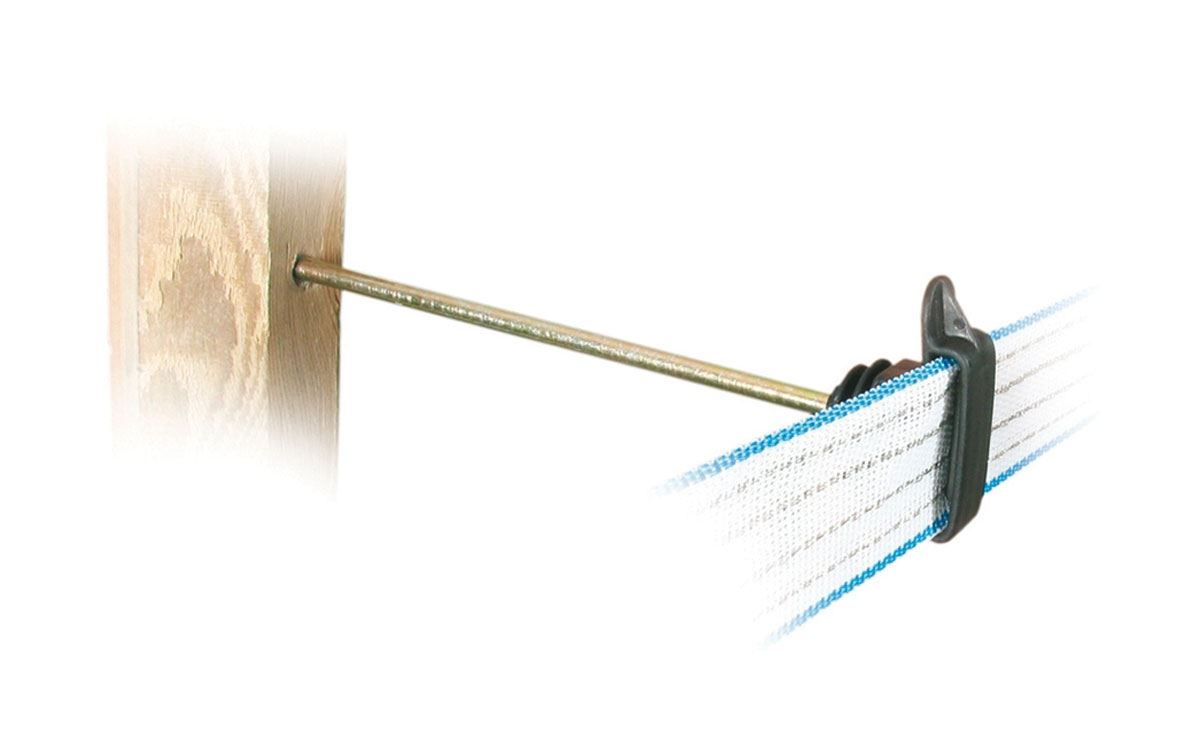
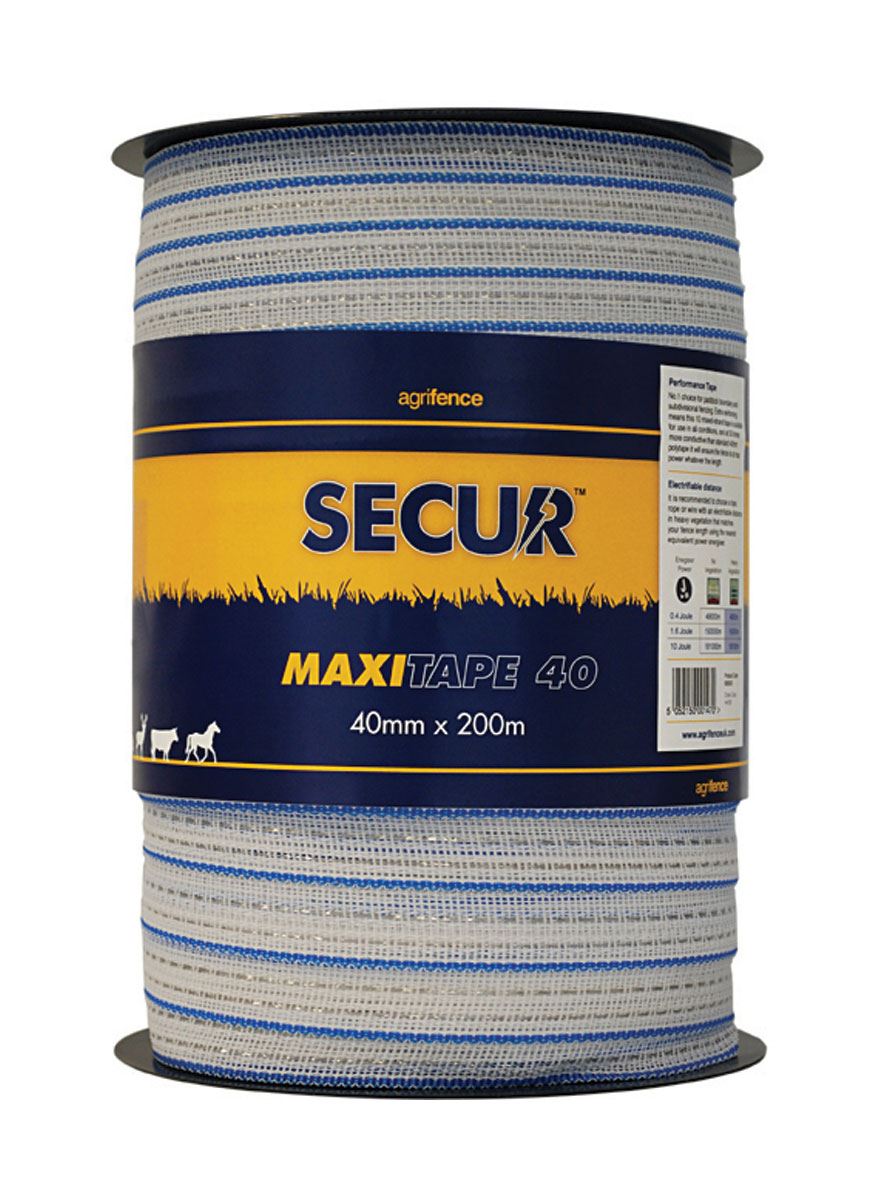
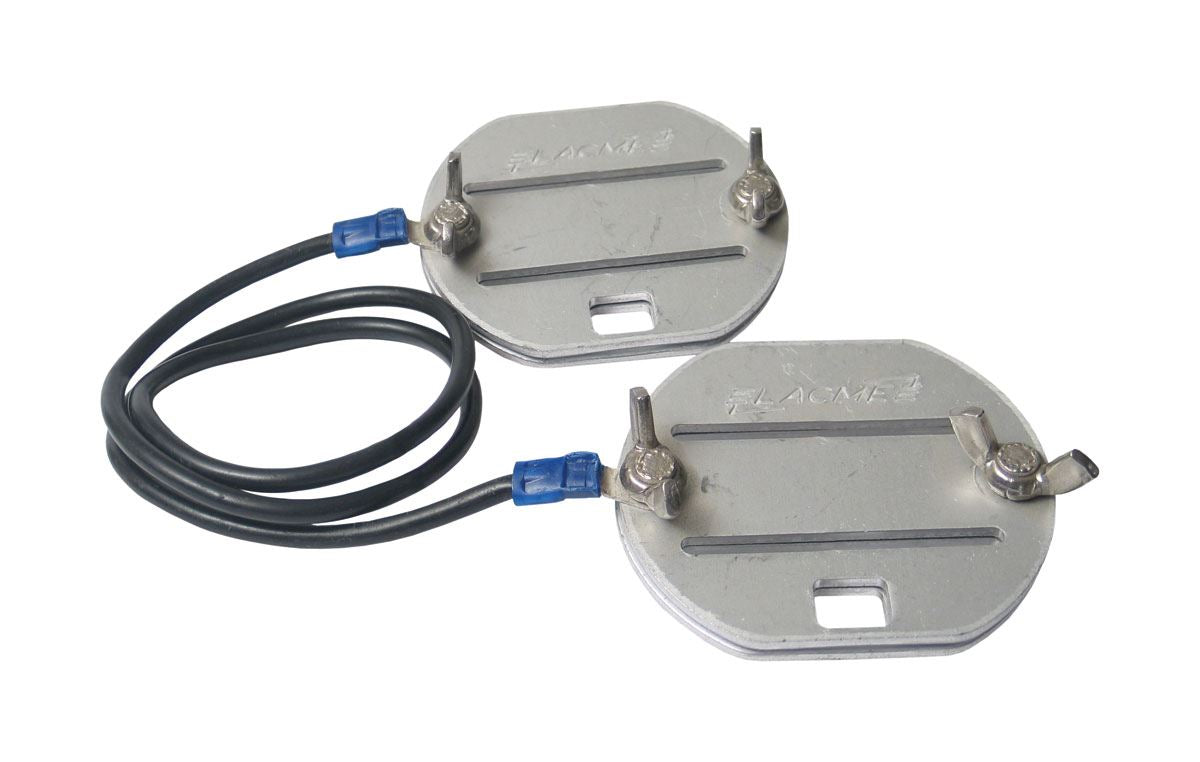
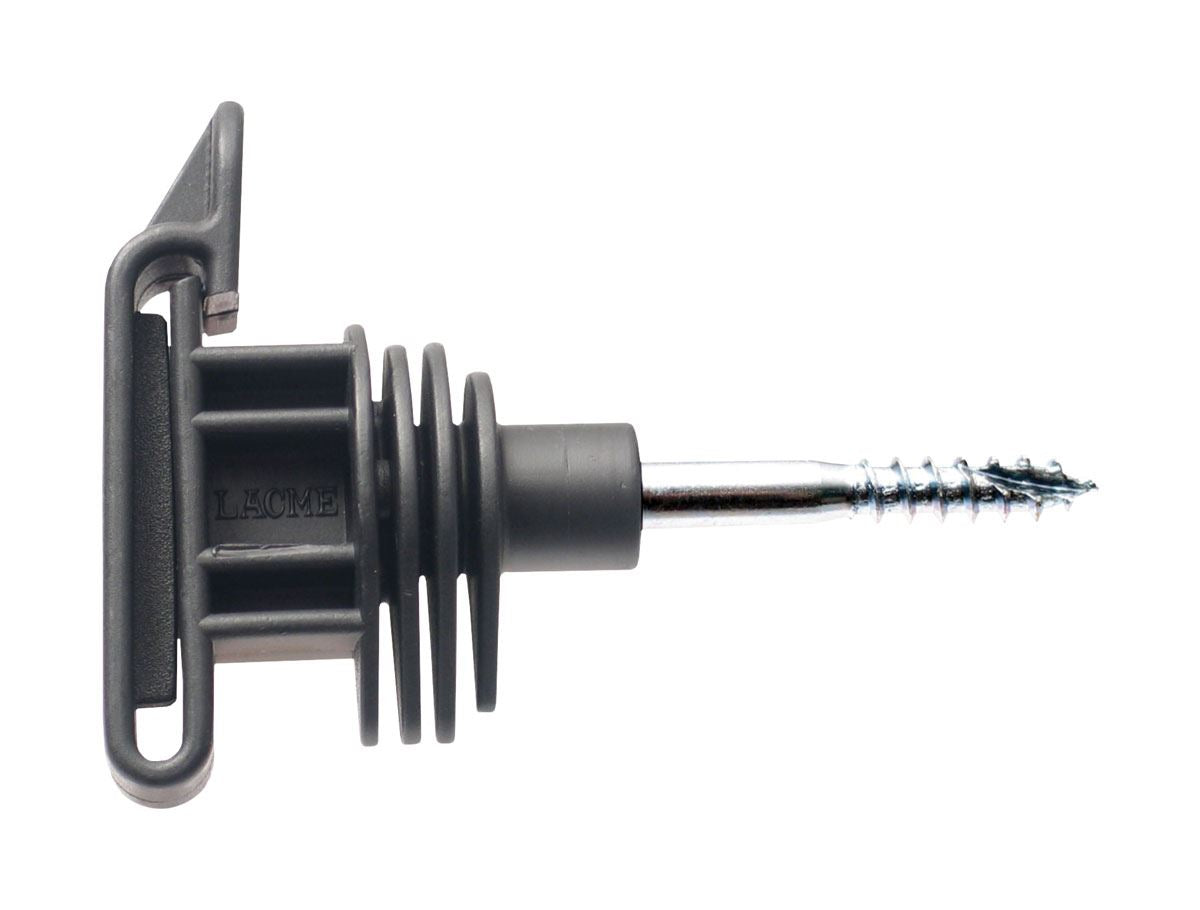
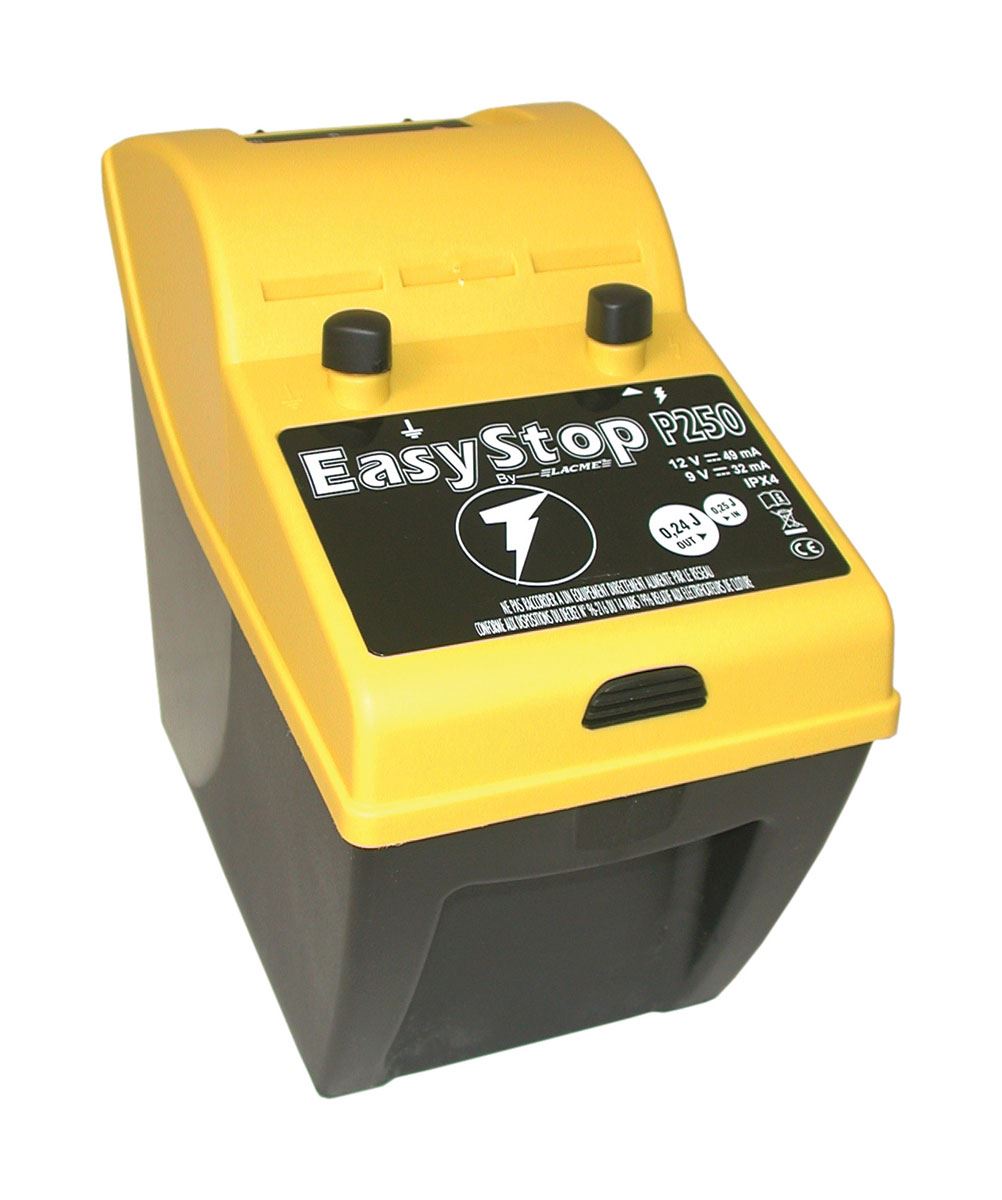
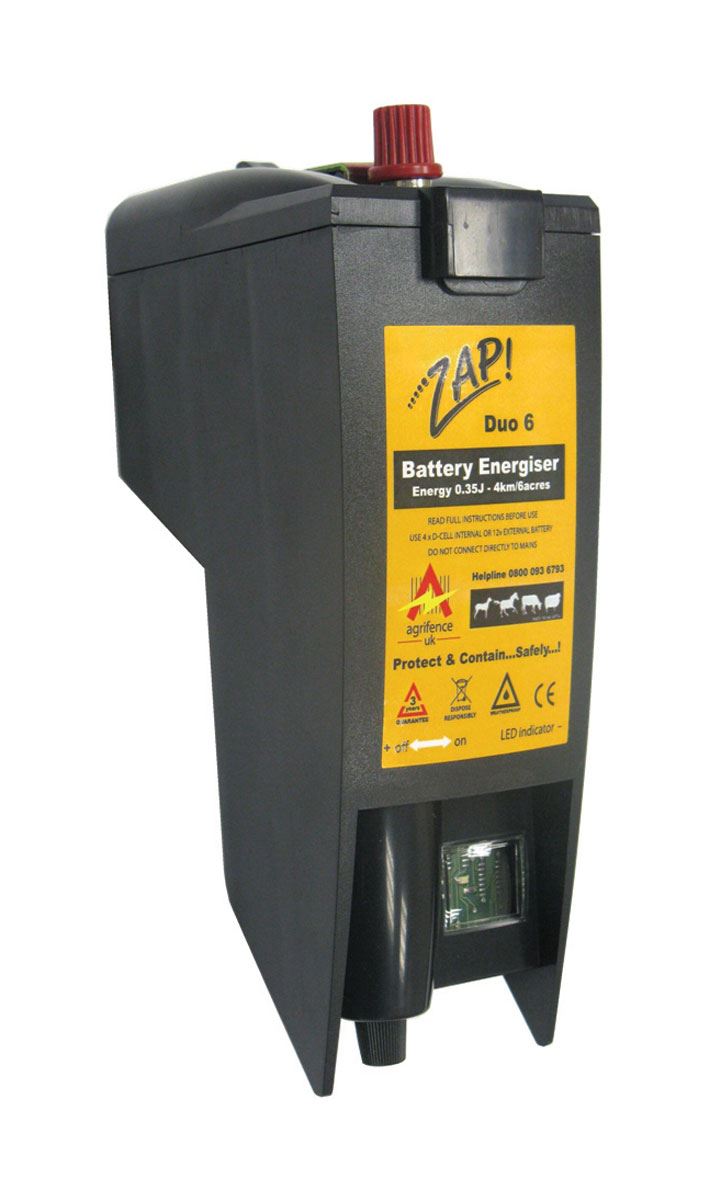
Electric fencing is the simplest way to keep horses safely in a field, divide a paddock for strip grazing or protect post-and-rail from chewing and leaning. Three choices matter most: the conductor (wide tape is the easiest for horses to see; rope and polywire suit longer-term lines and temporary strips), the energiser (battery-powered for fields without mains, mains-powered where you have a supply nearby) and the right insulators and fittings to keep the power in the fence rather than leaking into the posts. Just Horse Riders stocks fencing tape, rope and polywire, energisers, insulators, gate handles, testers and field accessories from brands including Corral, Agrifence and Nettex, from around £3.50.
Free UK delivery over £50 · Fast next-day delivery available · 90-day returns · Family-run UK retailer since 2010.
Field and fencing advice from the Just Horse Riders team — last reviewed July 2026.
Choosing electric fencing for horse fields
| Choice | What it means |
|---|---|
| Fencing tape (10mm–40mm) | The usual choice for horses because they can see it — and horses respect fencing they can see. Wider tape is more visible; white or a colour that contrasts with the background works best. Wide tape catches more wind, so tension it well. |
| Rope and polywire | Rope is neat and hard-wearing for longer-term lines. Polywire is the cheapest way to divide a field, but it is much harder for a horse to spot — best used alongside or below a visible tape line rather than on its own. |
| Battery energiser | Runs from a dry or rechargeable battery, so it works in fields with no power supply — the common choice for rented grazing and strip grazing. Keep a spare battery so the fence is never off. |
| Mains energiser | Steadier and cheaper to run if a power supply is within reach of a lead-out cable — the set-and-forget option for permanent fence lines around the yard. |
| Insulators, handles and testers | Insulators keep the current in the fence rather than the posts, insulated gate handles give you a safe way in and out, and a tester tells you the fence is live before your horse finds out it is not. |
Earthing and checking your fence
Earthing is the part most fences get wrong. The energiser's earth stake needs to go deep into ground that stays damp — a short stake in dry, stony ground can leave you with a feeble pulse even on a brand-new battery. Walk the line regularly, clear grass and weeds touching the bottom strand, and check the voltage with a fence tester once a week or so. It is the quickest way to catch a fading battery, a bad joint or a short before your horse does.
Strip grazing and dividing fields
A reel, a length of tape or polywire and a row of posts let you open up fresh grass a little at a time instead of all at once. Many owners use strip grazing to help limit grass intake for good doers — if you are managing your horse's weight, speak to your vet about the right grazing plan. Move the front line little and often, and keep the back fence live so the rested grass can recover.
Field and fencing favourites
- Budget starter tape: Corral Basic Fencing Tape (from £10.90) — 200m rolls in widths from 10mm to 40mm; the white shows up well against grass.
- Wide, high-visibility tape: Corral Classic Fencing Tape (from £15.15) — a sturdier 200m tape available up to 40mm wide, the easiest width for horses to see.
- Fence tester: Corral Fence Line Tester (from £10.66) — the quickest way to know the fence is live and how strong the pulse is.
- Spare gate handle: Agrifence Standard Gate Handle (from £3.53) — the insulated handle every fence line ends up needing a spare of.
- Electric gateway: Corral E-Line Gate Kit (from £19.18) — everything you need to make a safe, electrified opening in a fence line.
- Battery energiser: Agrifence Micro 3 Battery Energiser (from £110.91) — a compact unit for paddocks and strip grazing where there is no mains supply.
Frequently asked questions
What type of electric fencing is most visible to horses?
Wide tape. Horses respect fencing they can see, and 20mm–40mm tape in white or a colour that contrasts with the background is far easier to spot than thin polywire. If you use polywire or rope for economy, run it below a visible tape line rather than on its own.
Should I choose a battery or mains energiser?
If you can reach the fence with a lead-out cable from a building with power, a mains energiser is cheaper to run and never needs a battery change. For every other field, a battery energiser is the practical choice — most horse paddocks run happily on one. Keep a charged spare battery so the fence stays live.
Why has my electric fence gone weak?
The usual culprits are a flat battery, grass or weeds touching the line, a broken insulator or poor joint, and — most often overlooked — bad earthing. Check the battery first, walk the line, then make sure the earth stake is driven deep into damp ground. A fence tester takes the guesswork out of it.
Can I use electric fencing for strip grazing?
Yes — that is exactly what reels, polywire and portable posts are made for. Move the front line a little at a time to open fresh grass gradually, and keep a live back fence so grazed ground can rest. Many owners strip graze to help limit grass intake for horses and ponies that gain weight easily; speak to your vet about the right plan for your horse.
Not sure which fencing setup suits your fields? Tap the WhatsApp button at the bottom of the screen and the team will be happy to help.