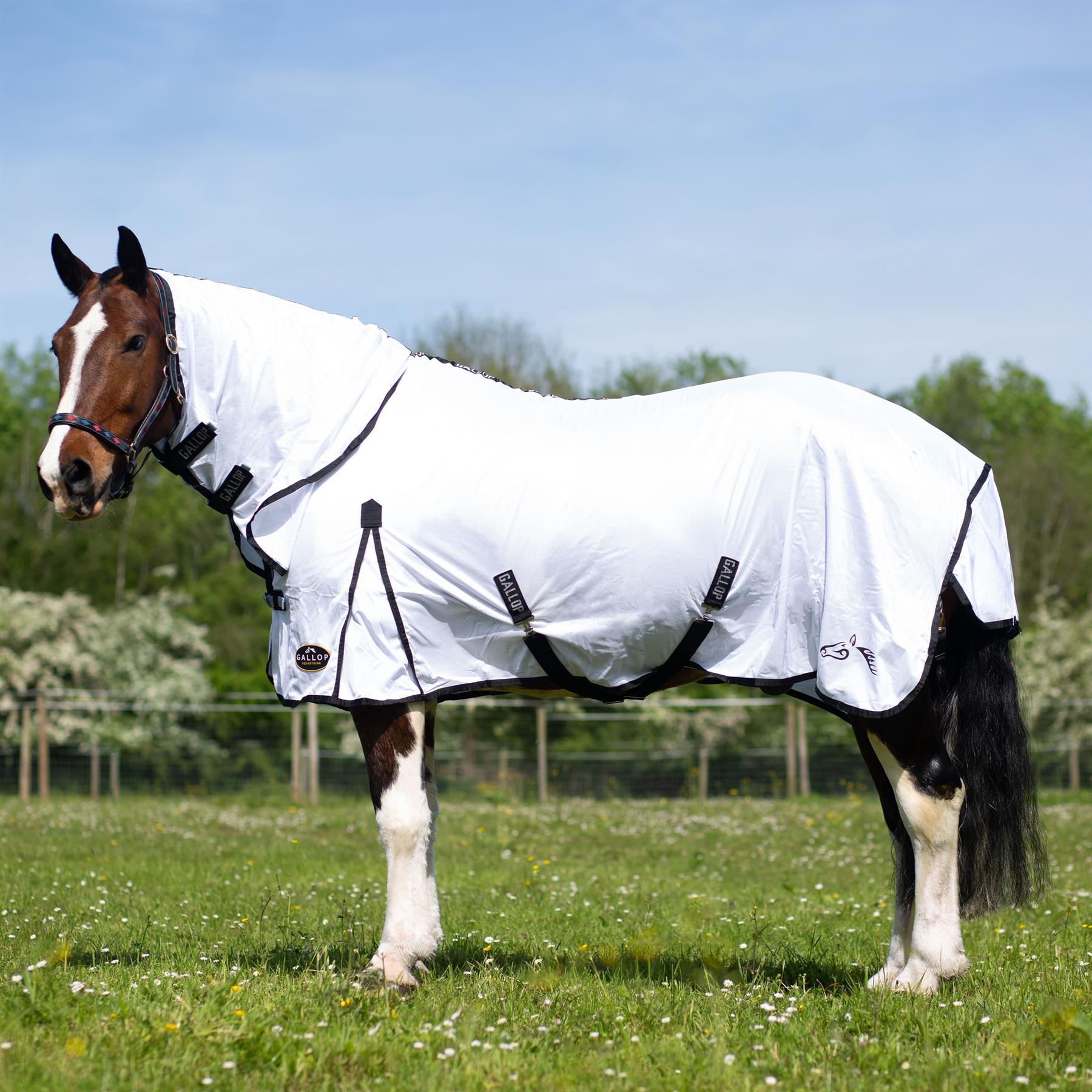
Barn Chores: The Unsung Heroes of Equestrian Excellence
The Unsung Value of Barn Chores in Equestrian Development
Barn chores might not seem glamorous, yet they're the foundation upon which resilient, empathetic horsemen are built. Peeking behind the curtains of equestrian expertise reveals that the small and seemingly mundane tasks are, in fact, pivotal to nurturing skilled riders. From sweeping the stables to grooming the majestic creatures, these chores instill values that extend far beyond riding skills.
Understanding Horses Beyond the Saddle
Riding isn't just about mastering the art of staying in the saddle. True horsemanship involves the ability to “read a horse”. An invaluable skill developed amidst barn chores. Riders learn to notice subtle signs of discomfort or illness before they escalate into more severe problems. Spotting an ill-fitting saddle causing a hoofed friend distress or picking up on early signs of rain rot becomes second nature when you've spent ample time in close quarters with your horse. These hands-on experiences transform instructions from trainers into instinctual knowledge that you carry both in and out of the riding arena.
The Often Overlooked Role of Observation
Between practice sessions, there are countless “in-between moments” where the real learning occurs. It's during these times that horsemen fine-tune their ability to observe and internalize what their horse needs. Author Jamie Sindell poignantly describes how chores allow one to detect "when something is off" with a horse, prioritizing animal welfare over personal goals. Riders become more than just athletes; they become stewards of their horses’ well-being.
Full-Service Barns: Convenience with Hidden Costs
Now, let’s talk about full-service barns. While these establishments might cater to the modern lifestyle by handling all aspects of horse care, they inadvertently rob young riders of essential learning opportunities. Sure, it’s convenient to have someone else clean your tack and feed your beast, but missing out on these chores results in a disconnect. Riders risk becoming out of touch with the dedication and effort required to maintain a thriving horse. There’s a silent cost to convenience, often seen only after the skills of self-reliance and attentiveness have atrophied.
Balancing Passion and Practical Experience
The ideal riding school or barn strikes a balance between indulging the passion for riding and grounding it in practical, everyday involvement with horse care. The emphasis is on holistic experiences that embed not just skills but values. It's essential to create an environment where young riders can immerse themselves in all aspects of horsemanship without feeling overburdened or exploited.
Environments like these honor the cultural ethos of “paying one’s dues.” Riders muster up perseverance as they perform ‘mundane’ yet essential tasks, preparing them for a future far beyond the vivid emotions of their first jump or dressage test. Barn chores, in essence, build character, courage, and camaraderie—a trifecta knitting together the heart of horsemanship.
From Chores to Champions
True mastery in equestrian sports starts in the barn. It’s the unsung chores, the muck in the stable, and the horsehair-covered clothes that form the crucible for creating devoted horsemen. Armed with practical skills, imbued with commitment, these riders stand poised not just for competition but as lifelong advocates for their equine partners.
In conclusion, whether it's ferrying a wheelbarrow full of hay or repairing a worn-out saddle, barn chores cultivate skills that structured lessons alone cannot teach. They help raise a generation of perceptive, compassionate, and dedicated horsemen who understand the deep-rooted symbiosis between rider and horse—a bond nourished by sweat, time, and the occasional muck-covered laugh.
Sources:
- [Horse Network](https://www.horsenetwork.com)
- Original article by Jamie Sindell