Understanding the Dilemma: To Open or Close Barn Doors in Winter?
As winter approaches, horse owners face the rather perplexing question: should horse barn doors remain open or closed? While concerns naturally lean towards protecting horses from the icy clutch of winter, the answer isn't as straightforward as building a snowman. Instead, it focuses on balancing warmth with optimal respiratory health for our four-legged friends.
The Critical Role of Ventilation
Ventilation is not just a nice-to-have; it’s a must-have. Throughout the year, barns require adequate airflow, and the stakes are even higher in winter. A tightly sealed barn may keep out the chill, but it turns into a stuffy cul-de-sac for pollutants including ammonia from urine and dust from hay. These undesirables can irritate the respiratory system, leading to conditions like inflammatory airway disease (IAD).
Experts like Eileen Fabian Wheeler, PhD, and Wes Elford, DVM, suggest that enduring the cold, bracing air is far superior to snuggling up in a warm yet stifled barn. In this case, fresh air is more of a blessing than a blizzard.
Signs Your Barn Needs to Breathe
How can you tell if your barn is suffocating? Let the morning dew be your clue. Excessive moisture condensation on surfaces indicates poor ventilation. If you're waking up to barn icicles, it's time to introduce some slots or openings to improve airflow. Even if Mother Nature is acting temperamental, a slight crack in the door may very well be your barn’s savior.
Winter Barn Management Tips: A Breath of Fresh Air
Implementing a few practical tips can ensure your barn becomes a haven rather than a hovel:
- Clean Always, Clean Often: Regular stall cleaning reduces harmful pollutants. It's not just about aesthetics; it's about breathing easy.
- Dust Control: For indoor arenas, use high-grade petroleum products to weigh down dust. Remember, dust is not a seasoning for your horse's nostrils.
- Safe Turnouts: Ensure that the outdoor areas are safe from icy perils. If the ground gets hazardous, it's time to retreat indoors or sprinkle some sand or kitty litter.
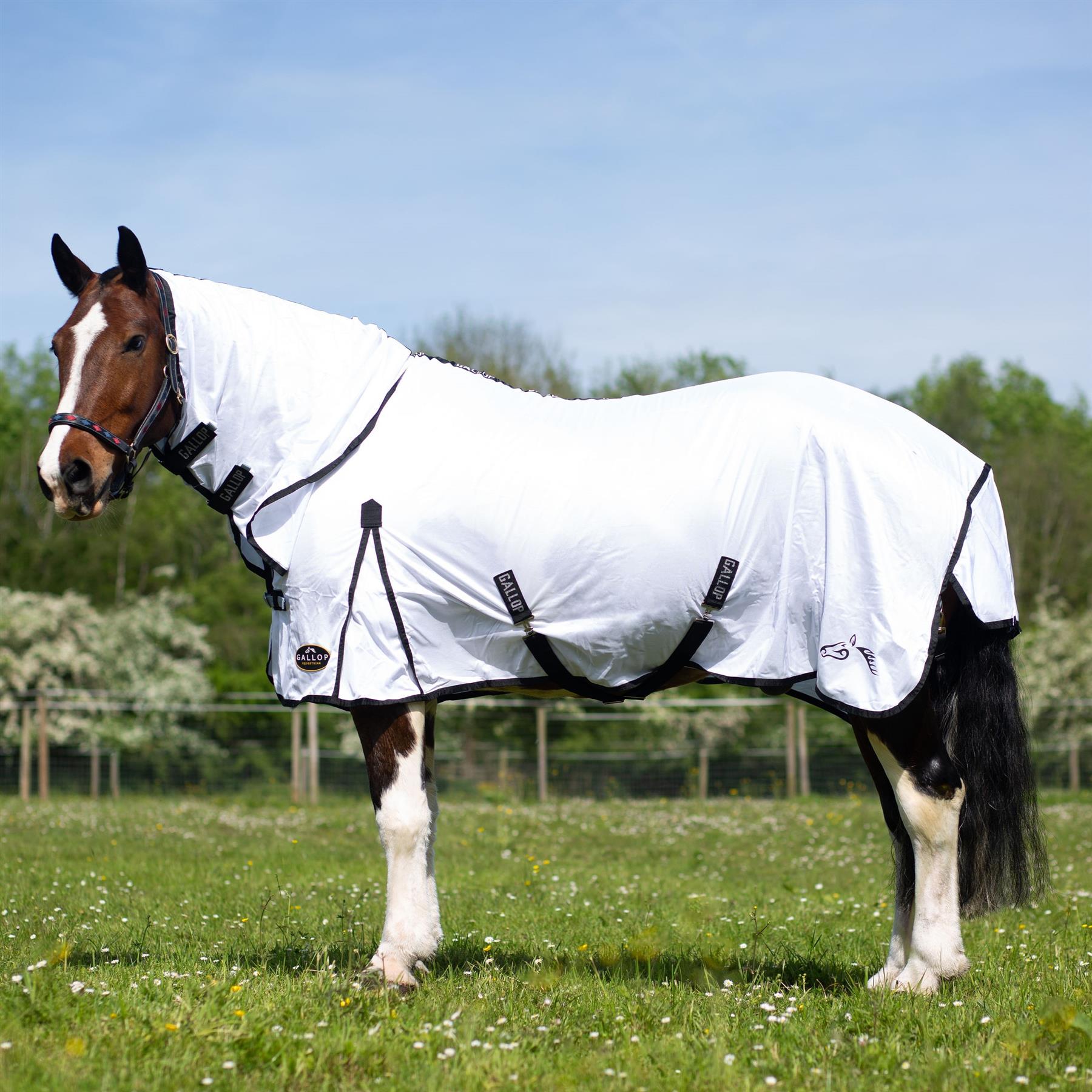
- Blanketing Dilemma: Most horses don’t need heavy blankets unless they're involved in specific activities. Their coats are more sophisticated than the most high-tech thermals!
Indoor vs. Outdoor: A Comparative Analysis
Horses, it turns out, are the real outdoorsy types. A natural propensity towards life in open spaces ensures they can withstand icy temperatures when the proper shelter is available. Yet, for those alarming weather conditions or treacherously icy grounds, some indoor time is justified. It's about finding the right balance and maintaining accessibility to both environments as the conditions fluctuate.
Staying Ahead with Modern Barn Technology
Innovation isn’t just for tech giants; even barns have evolved, with designs aimed at ensuring adequate airflow without constant human tinkering. Newly designed barns often include eave openings and strategically placed windows, making it easy to achieve a natural air exchange. This is one area where an upgrade could pay off in hay bales!
Seasonal Strategies for Sustaining Equine Health
Maintaining horse health past the seasonal cusp involves a multi-pronged approach:
- Continuous Cleaning: You can’t overemphasize cleanliness. Reduce pollutants by making cleaning a routine.
- Ventilation is Key: Let the air flow through your barn like it’s on vacation. Continuous air movement is crucial.
- Thoughtful Blanketing: Consider the horse's natural insulation before opting for a cover-up.
- Hydration Station: Ensure horses have access to fresh water, even if it means heating it a bit during those chillier times.
By implementing these guidelines and fostering an environment rich in fresh air and cleanliness, horse owners can ensure that their hoofed companions remain in perfect health until spring blooms again. So, next time you debate whether to shut or swing wide those barn doors, consider not just the temperature, but the quality of life within those walls. For, in the horse-owner world, that holds the reigns to well-being.
For further exploration on optimizing barn environments for horse health, you can check resources like TheHorse.com.