The Stubborn Presence of West Nile Virus in Equine Populations
With its roots traced back to the United States in 1999, the West Nile Virus (WNV) has become a persistent adversary to horse populations across the nation. Ever since its introduction, it has spread widely, with equines and humans among the species at risk from this mosquito-borne menace.
Case Study: Oklahoma's Quarter Horse Incident
In a recent incident reported in McCurtain County, Oklahoma, a 6-year-old Quarter Horse gelding contracted WNV in October 2025. Notably, the horse had not been vaccinated, illustrating a crucial point of vulnerability. The clinical signs included muzzle fasciculations and ataxia, although, fortunately, the animal is on the road to recovery.
The mortality rate for infected horses can be as severe as 30-40%, highlighting the dire need for preventive measures. Recent outbreaks in locations such as Minnesota have proven to be lethal for those equines that were unvaccinated. However, horses do not directly transmit WNV to humans; it is primarily mosquitoes that act as the vector.
The Importance of Vaccination
Vaccination remains the frontline defense against WNV. Horses previously vaccinated should receive annual boosters, but in regions with extended mosquito seasons, biannual boosters are a safer bet. If a horse has not been vaccinated at all, a two-dose series is necessary within a few weeks to build adequate immunity.
Vaccination is emphasized not just in Oklahoma but also in other states like Colorado and Minnesota, where recent cases were recorded. The Oklahoma Department of Agriculture, Food, and Forestry has strongly advised vaccination against both WNV and other mosquito-borne illnesses.
Mosquito Control: A Must-Follow Strategy
While vaccines are vital, nothing replaces the efficacy of mosquito control. Simple steps can be quite effective:
- Remove stagnant water to prevent mosquito breeding.
- Maintain clean water containers for horses.
- Shelter animals during peak mosquito activity, typically dawn and dusk.
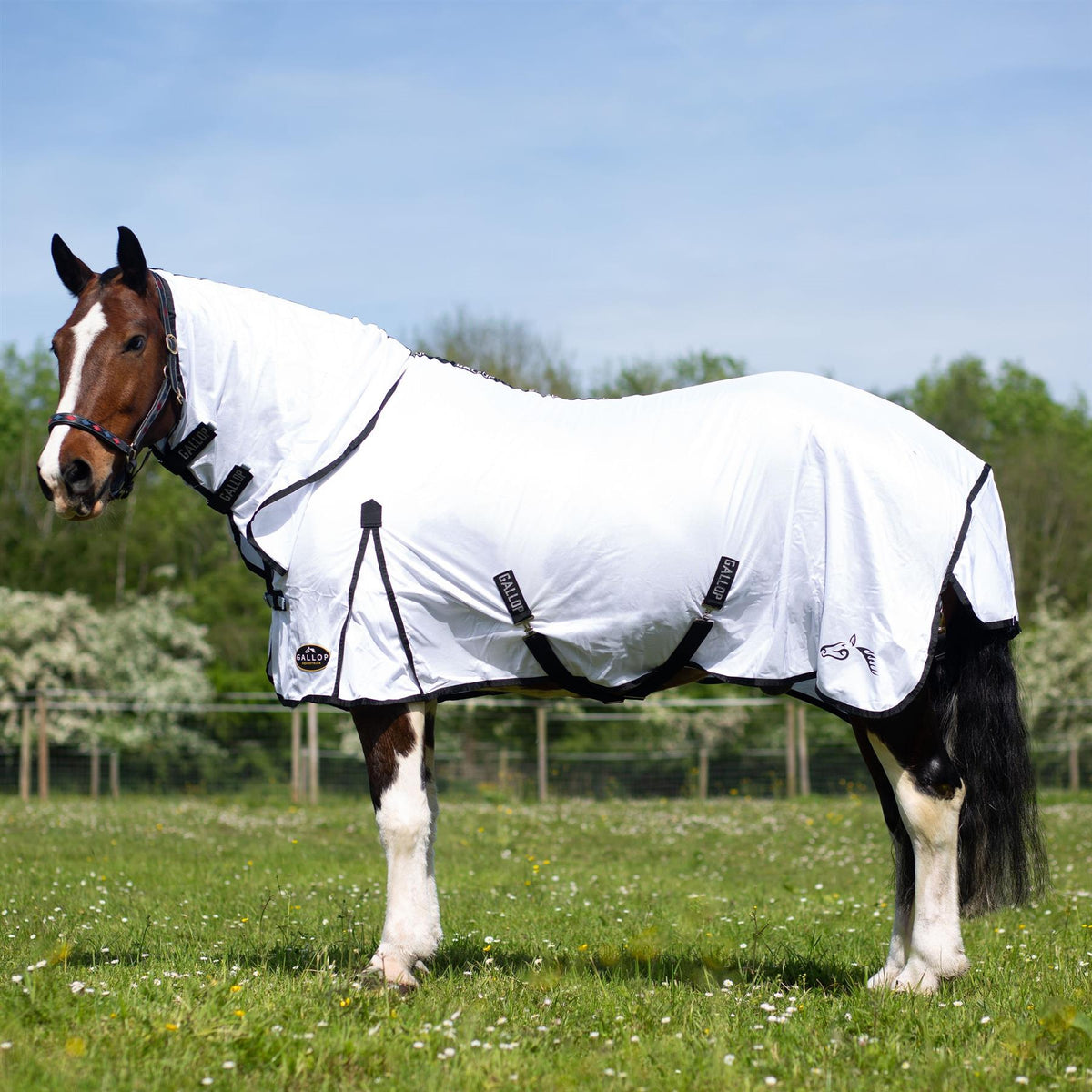
- Utilize approved mosquito repellents.
Effective mosquito management is essential not only for the health of horses but also as a public health measure to protect humans. This multi-pronged approach, combining vaccination with mosquito control, significantly reduces the risk of disease transmission.
Essential Role of Reliable Disease Reporting
The Equine Disease Communication Center (EDCC) plays a pivotal role as a watchdog, disseminating verified equine disease reports. As an independent nonprofit, EDCC provides real-time updates that help horse owners and veterinarians make informed decisions. Supported by industry donations, the EDCC ensures that data about outbreaks like WNV are accessible countrywide.
Conclusion
The case of the Oklahoma gelding emphasizes the ongoing risk posed by the West Nile Virus. Prompt vaccination, proactive mosquito control, and leveraging reliable disease-reporting platforms like the EDCC are keys to safeguarding equine health. Horse owners and veterinarians must remain vigilant, diligently updating vaccinations and undertaking mosquito management strategies to combat this pest effectively.
For more extensive insights, you can check the original source of this information on The Horse's website.