Cost Effective Horse Feeding Tips Balancing Expenses And Quality Care
Feeding Horses Smartly: Handling Costs While Keeping Quality
Feeding horses can indeed munch away at your wallet. Yet, much like our equine friends, there's a gallop of savings to be found if you know where to look. Maintaining the balance between cost and quality is essential. Whether you're a seasoned horse enthusiast or newly initiated, here's how to smartly handle your horses' diet without breaking the bank.
Quality Forage: Your Feeding Program's Backbone
When it comes to feeding horses, the importance of starting with quality forage can't be overstated. After all, hay isn’t just what you scrape up because it’s cheap. Quality matters. For instance, buying hay by its weight rather than per bale can reveal hidden savings. A 60-pound bale at $12 is a much better deal than a 45-pound bale costing $10. Over time, this slight math adjustment could fill hectares of savings! Additionally, purchasing hay in bulk when prices are lower and storing it strategically can shield you from the fluctuations of market prices.
Waste Not, Want Not: The Power of Efficient Feeding
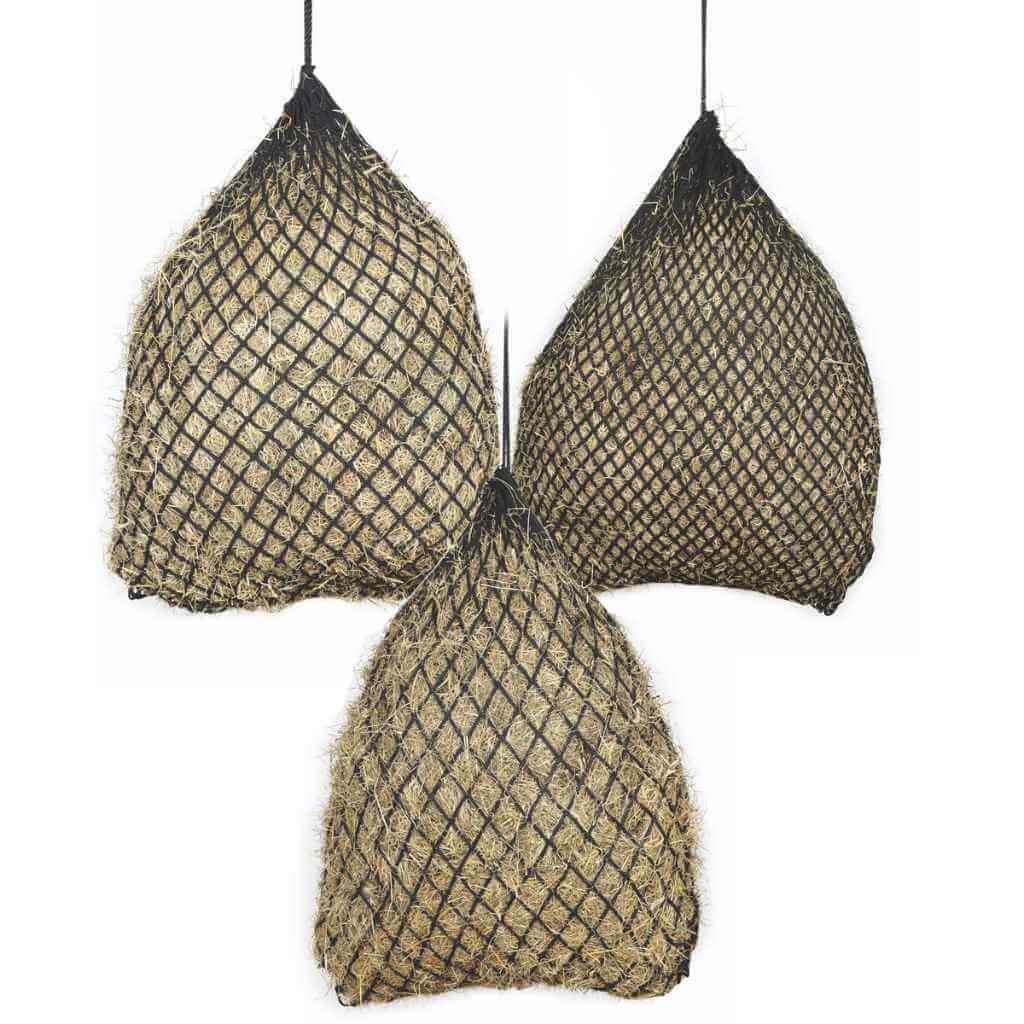
Hay feeders can be your unsung heroes. Although they might seem like an investment at first blush, efficient feeders reduce waste significantly, making them a purchase worth considering. According to experts like Carey Williams, PhD from Rutgers University, reducing hay waste is a key factor in cost-saving strategies. In essence, less waste means your investment stretches further.
Also, consider conducting a hay analysis which usually costs around $20 to $30. It might sound fancy, but it gives you a peek into the nutrient profile of your hay. This ensures you aren't inadvertently buying additional feeds your horses don't squeal for.
Strategic Spending: Calculate Daily Feed Costs
Who knew that budgeting for horses could give accountants a run for their money? Calculate your daily feed costs instead of focusing on the per bag price. Ideally, feeding a horse should cost around $2 to $3 daily, so if you find yourself spending more, it might be time to reassess. Could it be that you're indulging in unnecessary supplements? Or perhaps, piling on extra feed out of love? Monitor your specific horse's needs, considering their body weight, activity levels, and health status, to avoid financial derailment.
Picky Eating: Selecting the Right Concentrates
It's tempting to lavish your equines with high-end concentrates, but diversification isn't always the key. Some nutrient-dense forages like alfalfa may be unnecessary if your horse is what's whimsically termed an "easy keeper." Think of ration balancers as a tool—offering concentrated nutrients in small doses, which despite a higher per-pound cost, could prove economical if your horses have minimal nutritional needs. Pair this with quality hay, customized for your horse's needs, and you could avoid overspending on feeds.
Breaking the Supplement Cycle: A Step Toward Savings
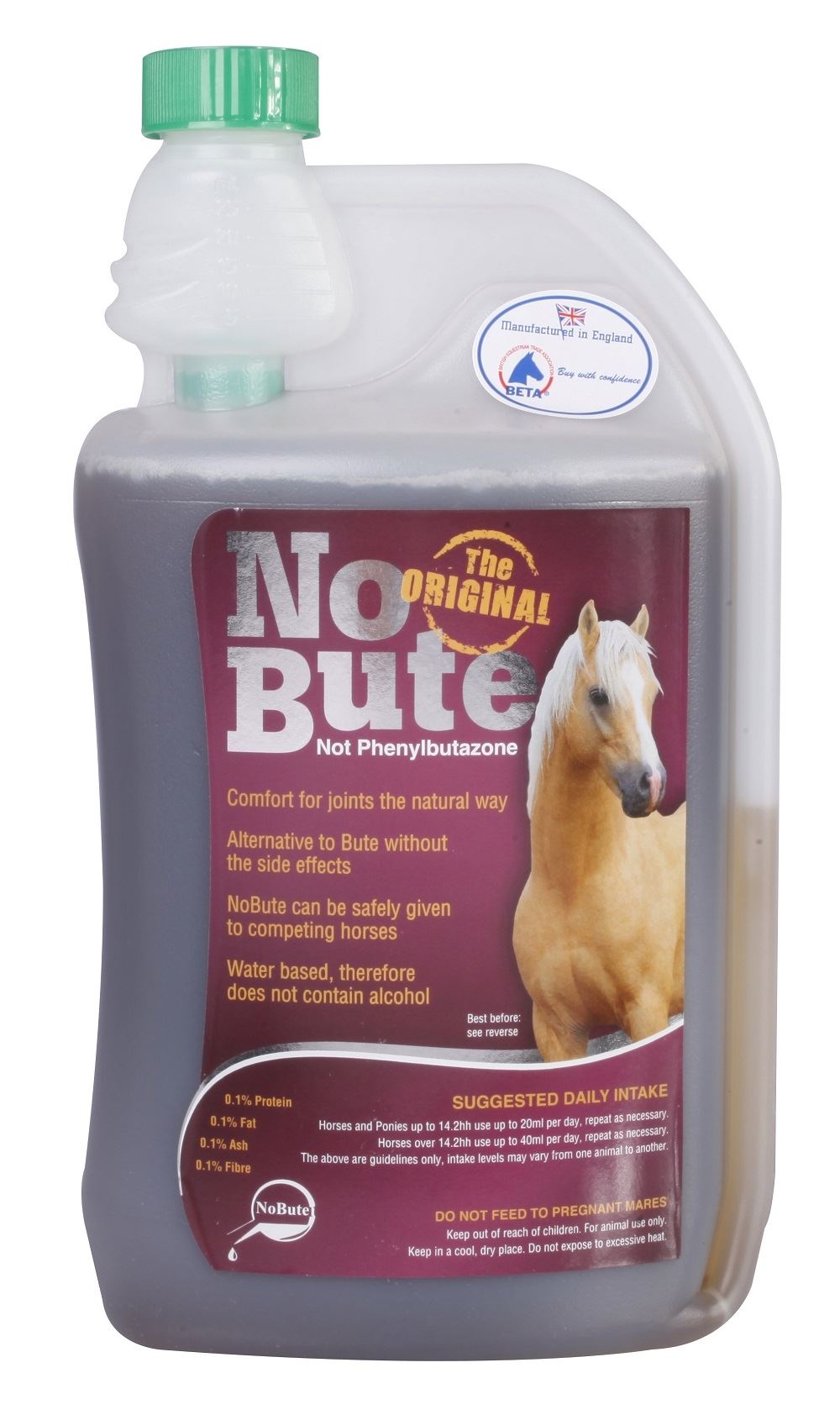
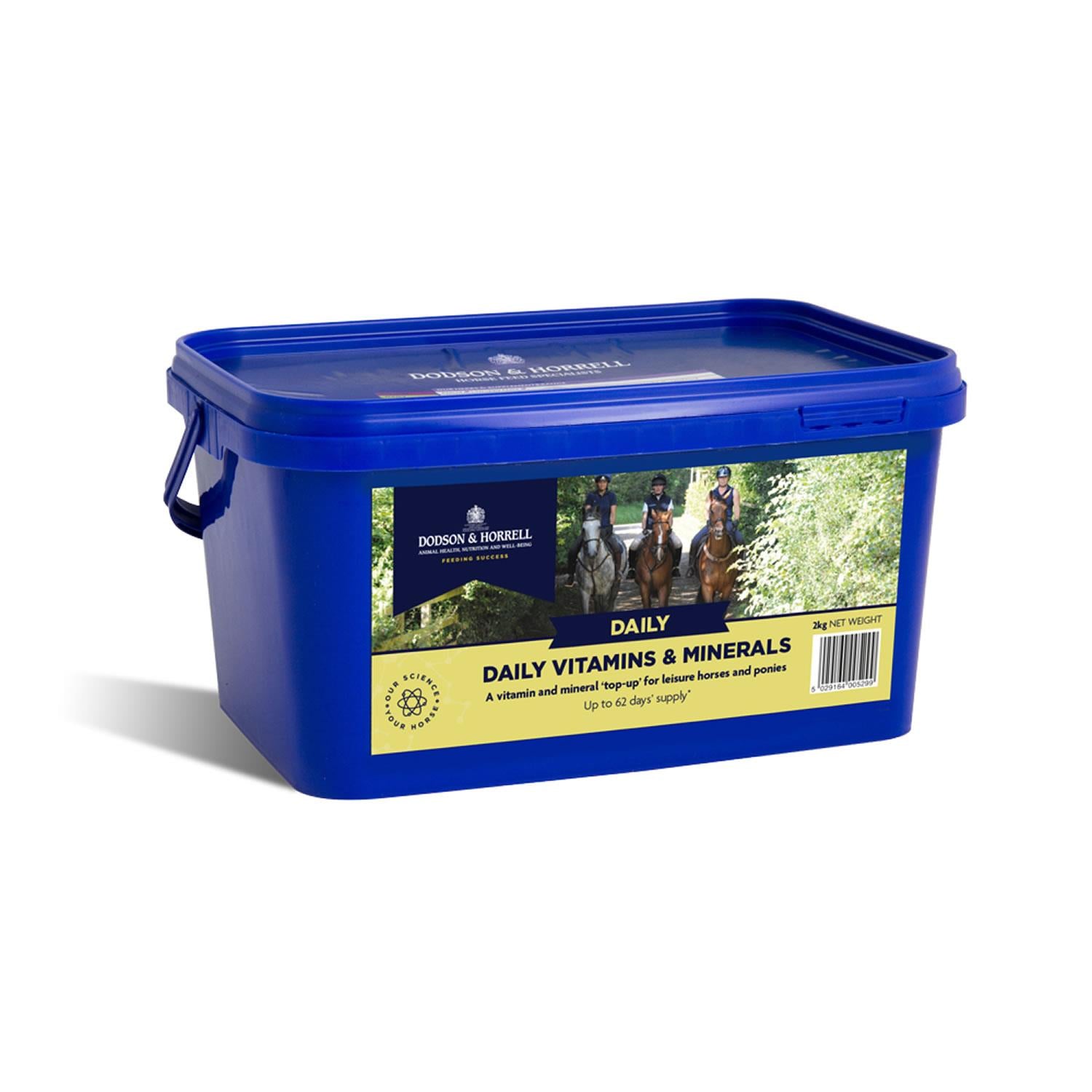
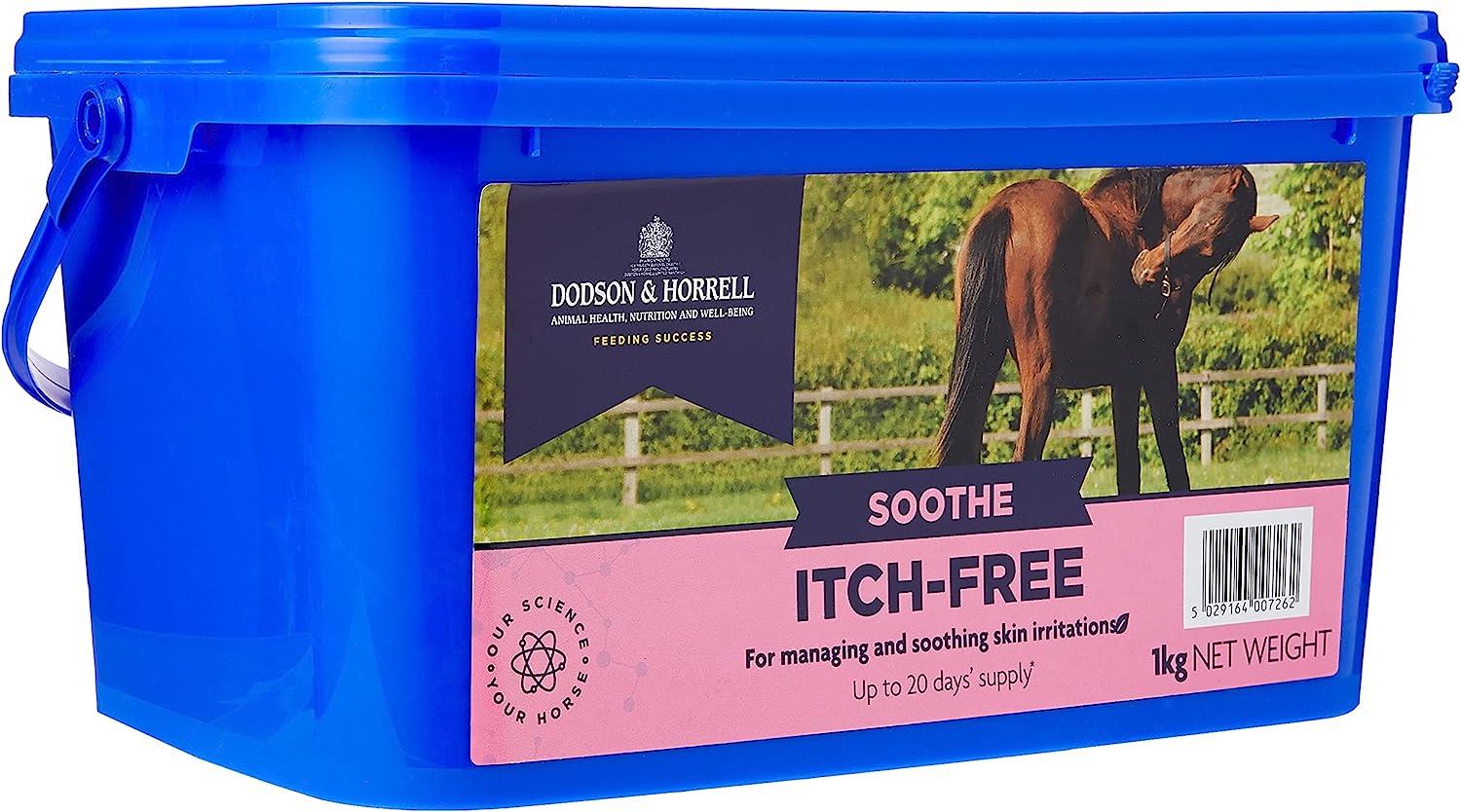
Much like our own multivitamins, supplements can be more for peace of mind than necessity. Over-supplementation is one area where horse owners might be throwing money into the wind. It's said that many equine caretakers lavish their horses with supplements without evaluating whether they're genuinely required based on the horse’s current diet. Taking a moment to assess your horse's dietary deficiencies before grabbing that extra supplement bottle can prevent hasty, unnecessary expenses.
The Bottom Line: Tailoring Nutrition for Each Equine
Remember, feeding horses isn't just about getting their breakfast out in time—it's both an art and a science. No two horses, even those of similar work, have identical needs. Embrace this variety, consider your specific horse's requirements along with available resources, and adjust your feeding regimen accordingly.
By emphasizing quality forage, minimizing waste, dodging unnecessary supplements, and calculating sound daily costs, your horses will stay healthy without your bank account feeling the pinch. Who knew you could feed your horses like royalty without having to pawn the crown jewels?
For further insights into cost-effective horse feeding practices, please refer to the original article at The Horse.