The Role of Diet in Healing Equine Gastric Ulcers
Gastric ulcers in horses are a common ailment that can significantly impact a horse's wellbeing. Understanding the dietary strategies that support healing is vital for horse owners and caretakers. By making informed nutritional adjustments, the healing process can be effectively managed, providing much-needed relief for these magnificent animals.
Understanding Equine Gastric Ulcers
The first step to effective management is understanding the two main types of gastric ulcers in horses: squamous ulcers and glandular ulcers. Squamous ulcers often relate to the horse's dietary intake, particularly forage, whereas glandular ulcers correlate more closely with stress. This differentiation is crucial in tailoring dietary approaches to specific equine needs.
The Importance of Forage in Equine Diet
Feeding horses the appropriate amount of forage is critical. Ideally, horses should consume 2% of their body weight in hay every day. Providing long-stem alfalfa hay can be beneficial due to its buffering properties, aiding in the healing process of gastric ulcers. Not only does it offer nutrition, but it also protects the stomach lining.
Nutritional Adjustments and Feeding Schedules
One of the golden rules in managing a horse's diet is ensuring minimal fasting periods. Horses are natural grazers, and extended periods without food can exacerbate ulcer conditions. Therefore, clean, readily accessible hay should be available. Implementing slow feeders or allowing free-choice hay are excellent strategies to mitigate fasting-induced complications.
Managing Carbohydrate Intake
Dietary management also includes a critical look at the horse's intake of nonstructural carbohydrates (NSCs). High-starch or sugar diets can potentially aggravate gastric health. By substituting some of these NSCs with digestible fiber or fats, one can significantly reduce the dietary risk factors associated with gastric ulcers.
The Efficacy of Nutraceuticals
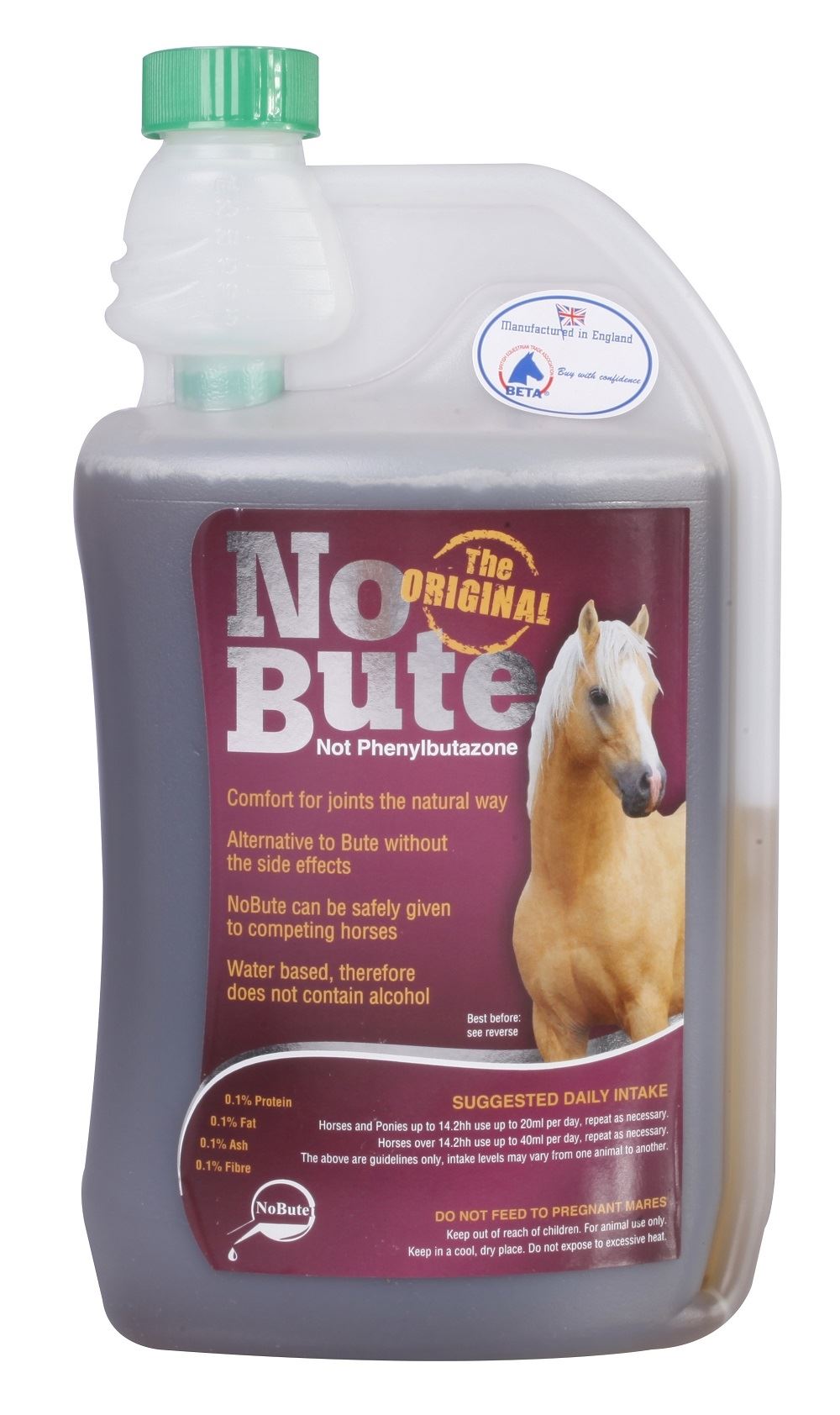
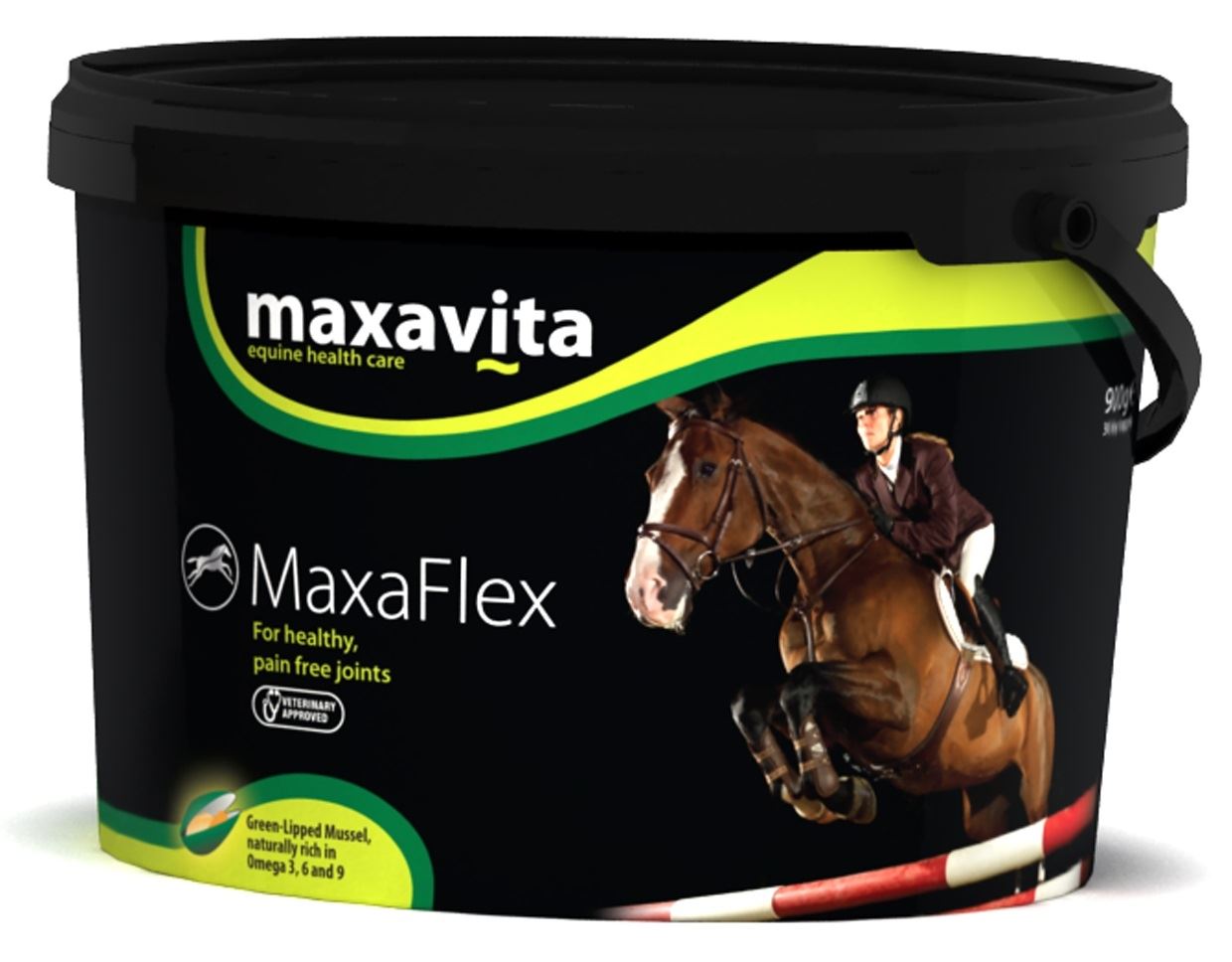
Nutraceuticals—nutritional products with medicinal benefits—are gaining traction for their potential to aid in ulcer healing. When incorporated into a horse's diet, they can provide additional support alongside traditional dietary strategies. However, their use should always be guided by veterinary and nutritional experts to ensure safety and efficacy.
Stress Management and Prevention Strategies
Since glandular ulcers are often related to stress, managing a horse's environment and stress levels can prevent the occurrence and worsening of these ulcers. Coupled with a balanced diet, these preventive strategies serve as a robust defense against gastric ulcers.
The Bottom Line
To effectively manage and heal equine gastric ulcers, a holistic approach is necessary. This encompasses not only the right type and amount of forage but also the timing and availability of feed. Moreover, minimizing dietary risks by substituting carbohydrates with more appropriate options and integrating nutraceuticals with professional guidance can substantially enhance gastric health. In combination with stress management, these dietary adjustments promise a healthier, contented horse.
For more information on managing equine gastric ulcers, consider visiting TheHorse.com, an excellent resource offering further insights into feeding strategies for ulcer-prone horses.