Eastern Equine Encephalitis: A Lurking Threat
Eastern Equine Encephalitis (EEE) is not a topic that regularly makes headlines, but when it does, the news is often grave. Recent events in New York have brought this mosquito-borne virus into the spotlight, highlighting the crucial need for awareness and prevention. In this article, we'll explore some of the latest incidents, the dangerous potential of the disease, and the best strategies for protection.The New York EEE Outbreak: A Wake-Up Call
An unsettling trend is developing in New York, with multiple cases of EEE detected in both humans and horses. Among the recent reports, a Standardbred mare in Jefferson County tested positive for EEE, exhibiting distressing symptoms such as labored breathing, trembling, and even head pressing. This case is part of a broader issue, as multiple counties in New York, including St. Lawrence, Franklin, and Ulster, have reported various incidents affecting both humans and horses. The common thread among these cases? Under-vaccination. To put it mildly, EEE in humans is nothing to scoff at. Approximately 30% of infected humans can succumb to the disease, and those who survive often face significant neurological damage. For our equine friends, the stakes are even higher, with severe outcomes often necessitating euthanasia due to extreme neurological impairment.The Science of EEE: A Primer
Perhaps now is a good time to don our metaphorical lab coats and take a closer look at Eastern Equine Encephalitis. The culprit here is a virus primarily transmitted to mammals through mosquito bites, which initially acquire the virus from infected wild birds. The virus's reach is impressive, albeit terrifying, given that it cannot be transmitted directly between horses or from horses to humans. But don't breathe a sigh of relief just yet—the mosquito does all the heavy lifting in perilous viral dissemination. EEE's fatality rate is daunting, urging us to focus on preventive measures. Both the human and equine mortality rates underscore the necessity of taking the threat seriously.Preventive Measures: Not Just for Scouts
Prevention is indeed better than cure, particularly when the cure involves avoiding a 30% to 90% death probability. Here are some proven strategies to shield both humans and horses from EEE:Keeping Mosquitoes at Bay: For Humans
- Insect Repellents: Products with DEET, picaridin, or oil of lemon eucalyptus are lifesavers—or at least limb-savers—particularly during dawn and dusk when mosquitoes are most active.
- Dress Smart: Garments that cover the arms and legs, ideally treated with insect repellents, act as a first-line defense against these tiny but deadly invaders.
- Safe Abodes: Make sure that window and door screens are in tip-top shape to halt any blood-sucking guest workers from ensuring themselves an unwelcome stay in your home.
Farmyard Safety: For Horses
- Vaccinations: Proposal number one, two, and three! Vets advise annual vaccinations, with more frequent doses recommended in high-risk zones.
- Standing Water Hazards: Zero-tolerance policy towards standing water where mosquitoes love to hatch. Stock water tanks with fish or use mosquito "dunks" as an additional precaution.
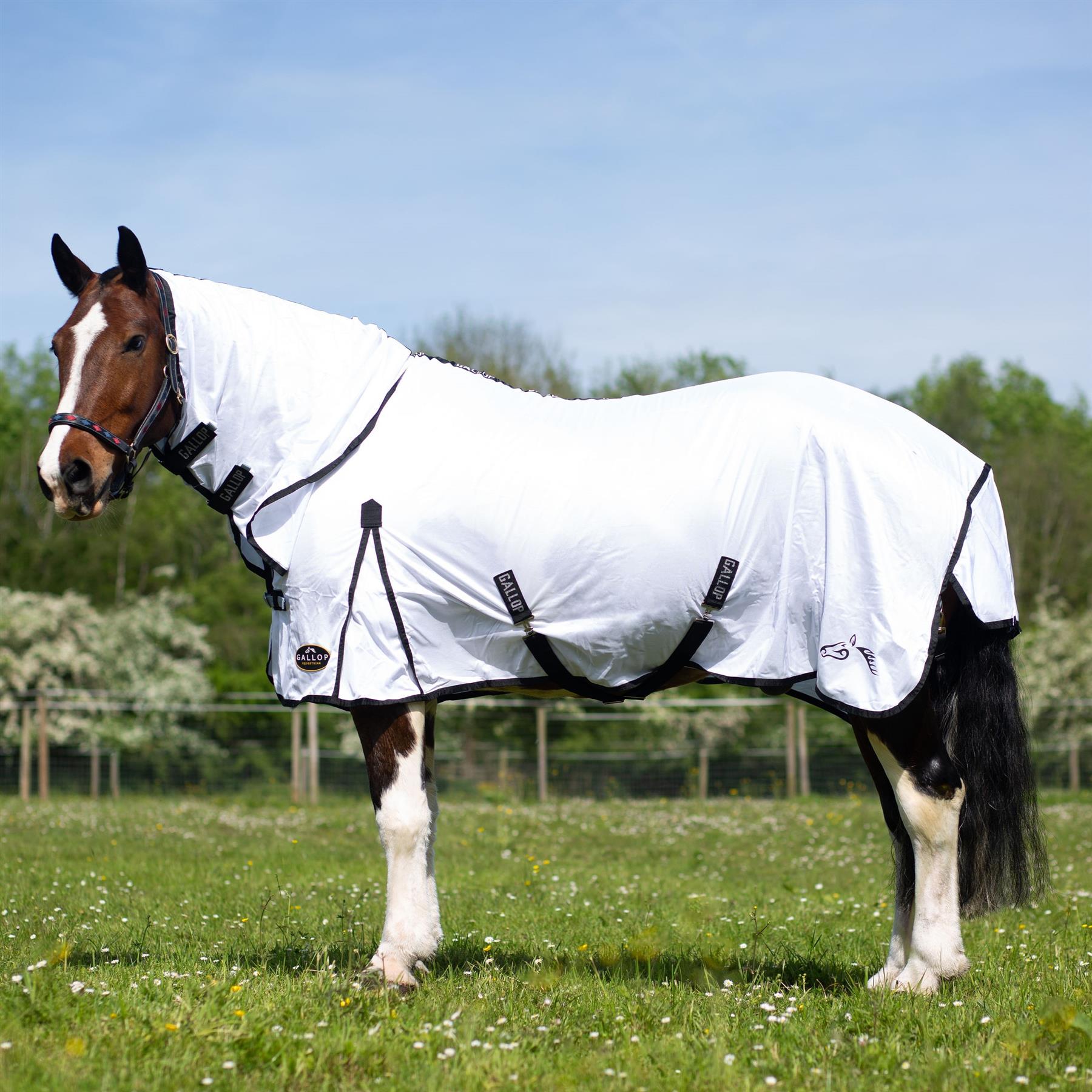
- Stable Care: Encourage the horses to tuck in at stables during tsunamic mosquito hours for some peace of mind (and mane).
The Information Powerhouse: Equine Disease Communication Center (EDCC)
Knowledge is power, and the EDCC takes that axiom to heart. This organization is instrumental in disseminating verified reports on various infectious diseases, making it a critical resource in the equine community. Thanks to the EDCC's open-access database, intermittent and continued alerts on potential threats like EEE empower both horse owners and public health officials in making informed decisions.Conclusion: Vigilance is Key
The recent cases of EEE in New York shouldn't just wash over as another news slice. It’s a sobering reminder for all horse owners and residents to remain alert and proactive. Awareness, innovation, and rigorous application of preventive strategies will go a long way in keeping both humans and horses out of the clutches of EEE. As a wise person once humorously—but aptly—mentioned, "An ounce of prevention is worth a pound of cure...or at the very least, a whole summer free of mosquito itch!"For more in-depth information, please visit the relevant articles from TheHorse.com and resources linked with organizations like Equine Disease Communication Center (EDCC).