Navigating Equine Health with Nutritional Supplements: Insights and Guidelines
In recent years, equine health management has undergone a significant evolution, with a growing emphasis on nutritional supplements as a critical component of comprehensive health strategies, especially during disease outbreaks. While they are no substitutes for vaccines or veterinary care, supplements can play an essential role in fortifying a horse's immune system and supporting overall well-being.
Expert Insights on Disease Management
Dr. Liz Schatz, a senior specialist at SmartEquine, provides invaluable perspectives on the use of supplements during equine disease outbreaks. Her experience at reputable institutions like Kansas State University and the New Jersey Equine Clinic underscores her expertise. According to Dr. Schatz, supplements should complement existing veterinary practices rather than replace them, forming a cohesive element of proactive health strategies.
One of the key takeaways from discussions by veterinarians like Dr. Schatz is the importance of addressing specific nutritional deficiencies through supplements, confirmed via bloodwork. Such deficiencies, if unaddressed, could lead to conditions like equine motor neuron disease (EMND), where vitamin E and selenium are crucial in prevention.
Understanding Supplement Categories for Health Support
Supplements in the equine world cater to various health aspects, with a range of scientific backing. They are frequently used for performance enhancement, joint support, and immune system fortification. Here's a closer look at some common categories and their benefits:
Immune Support
Antioxidants such as vitamin E (recommended at 1,000 IU/day for active horses), selenium, and vitamin C are front-runners in supporting the immune system. These antioxidants help regulate harmful free radicals and bolster cell health, which is vital for horses with compromised immunity issues like PPID (Pituitary Pars Intermedia Dysfunction).
Joint Health
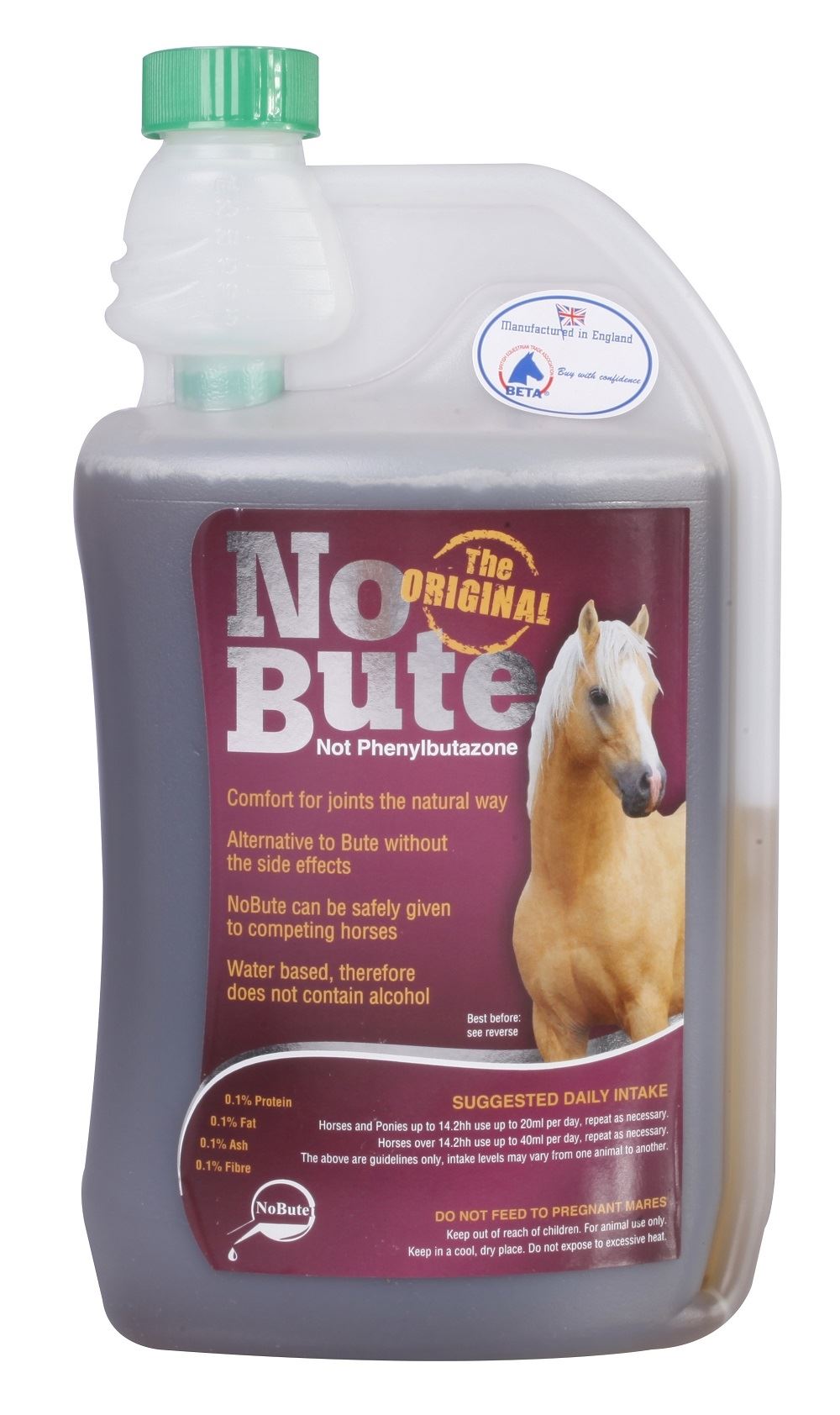
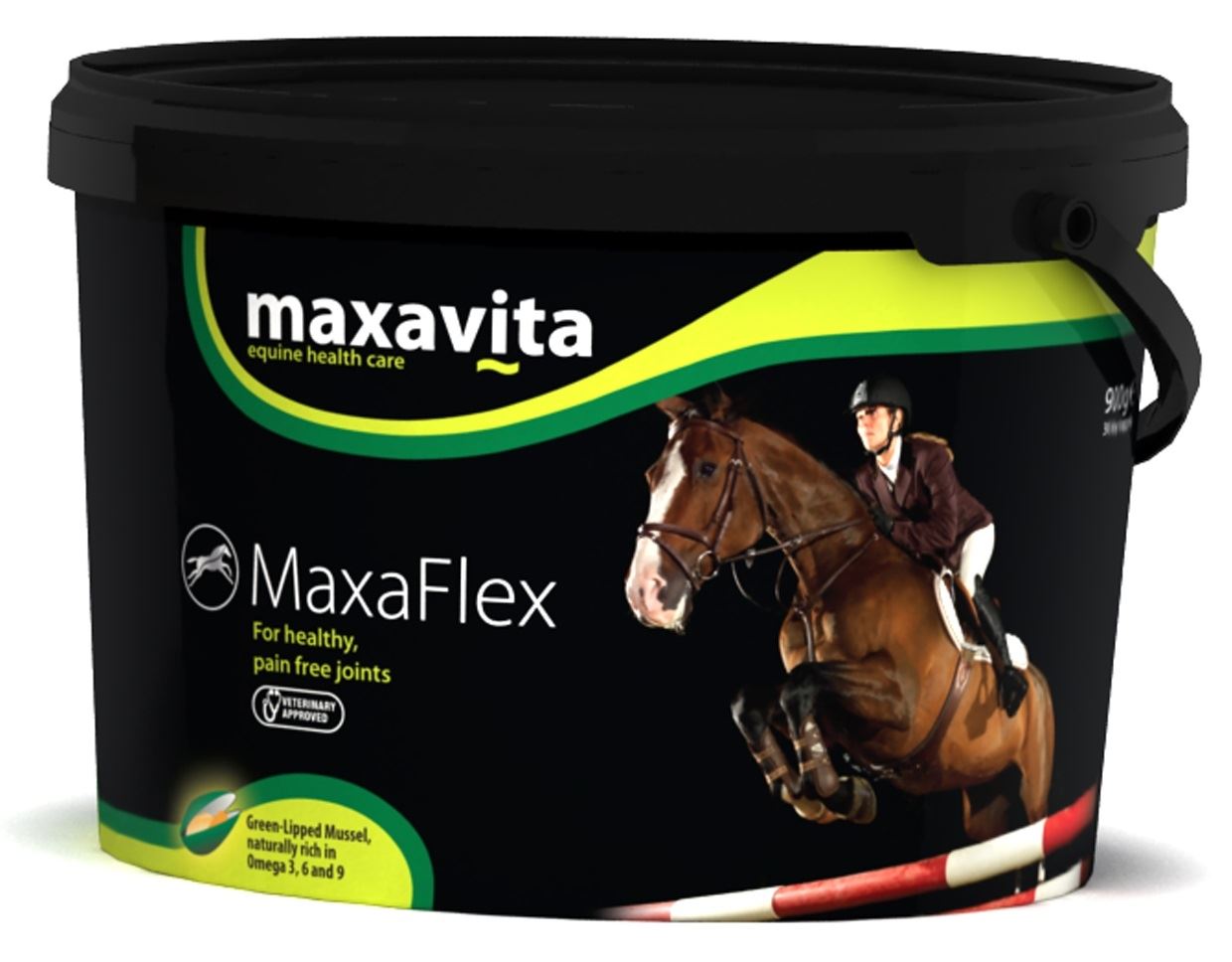
Joint health supplements, often comprised of glucosamine, chondroitin sulfate, and MSM, aim to protect cartilage and reduce inflammation. These are among the most researched with studies demonstrating their effectiveness in managing conditions like osteoarthritis, a prevalent problem in horses.
Gastric and Ulcer Support
Supplements for gastric health frequently include probiotics and hydrolyzed collagen, which have shown promise in reducing the severity of ulcers. These are particularly beneficial during times of stress, such as transportation or disease outbreaks.
Hoof and Metabolic Support
For hoof health, combinations of biotin, zinc, and methionine can enhance hoof quality, although noticeable results may take 9-12 months. Metabolic supplements focus on issues like insulin resistance, although more independent research is needed to substantiate claims fully.
Practical Considerations and Safety
Choosing the right supplement involves scrutiny and discipline. It's crucial to select those with a proven track record of safety and efficacy tailored for horses. Many products on the market lack horse-specific data, which can pose risks such as toxicity or contamination from unregulated supplements. Consulting with a veterinarian remains an essential step to ensure that supplement use aligns with a horse's unique health needs.
Emerging Trends and Industry Adoption
Statistics reveal that about 77% of horse owners rely on at least one type of supplement, primarily targeting joints or performance enhancements. This trend highlights an increasing recognition of the role supplements play in augmenting equine health regimens.
In conclusion, while supplements cannot replace conventional medical care, they offer a valuable complement to established health measures like vaccinations and biosecurity protocols. By utilizing supplements strategically and under professional guidance, horse owners can enhance their horses' resilience against diseases while supporting overall health. This balanced approach empowers them to navigate the complexities of equine health management effectively.
For more detailed resources, visit PetMD for a comprehensive guide on equine supplement care.