Equine Infectious Anemia: A Rising Concern in Texas
The equine community faces a formidable challenge as Equine Infectious Anemia (EIA) outbreaks continue to surge in Texas, affecting numerous counties. Recent reports have confirmed that 30 horses have tested positive, with El Paso County witnessing the highest concentration of cases. To say that the stakes are high would be an understatement, akin to betting on a three-legged racehorse. This article delves into what EIA is, how it spreads, and the measures that can help prevent its rampant escalation.Understanding EIA: The Silent Threat
EIA is a viral disease that targets horses and other members of the Equidae family like zebras, mules, and donkeys. There's no available cure or vaccine, making it as unwelcome as a pack of wolves in a sheep farm. The disease compromises the immune system, leading to subtle to severe clinical signs. While some infected horses show no symptoms, others might exhibit fever, depression, and muscle weakness. The virus lingers indefinitely, making carriers potential threats to entire populations.The Unseen Spread: Transmission of EIA
The disease spreads primarily through the exchange of body fluids. Blood-feeding insects like horseflies and deerflies act as unintentional accomplices, ferrying the virus from one equine to another. As essential as they are for housefly circuses, they pose a real danger in EIA transmission. Moreover, the use of contaminated needles and medical tools can further exacerbate the spread. An interesting fact is that all it takes is one careless reuse of a syringe for disaster to strike.Spotting and Diagnosing EIA: No Crystal Ball Needed
Identifying EIA isn't as mystical as reading tea leaves. The most reliable method is through laboratory testing of blood samples, specifically the Coggins test. This test, named after its creator, diagnoses EIA by detecting antibodies against the virus. Most U.S. states require a negative Coggins test for a horse to travel—think of it as a passport for equines without the photo or the stamp.Management and Protection: The Armor Against EIA
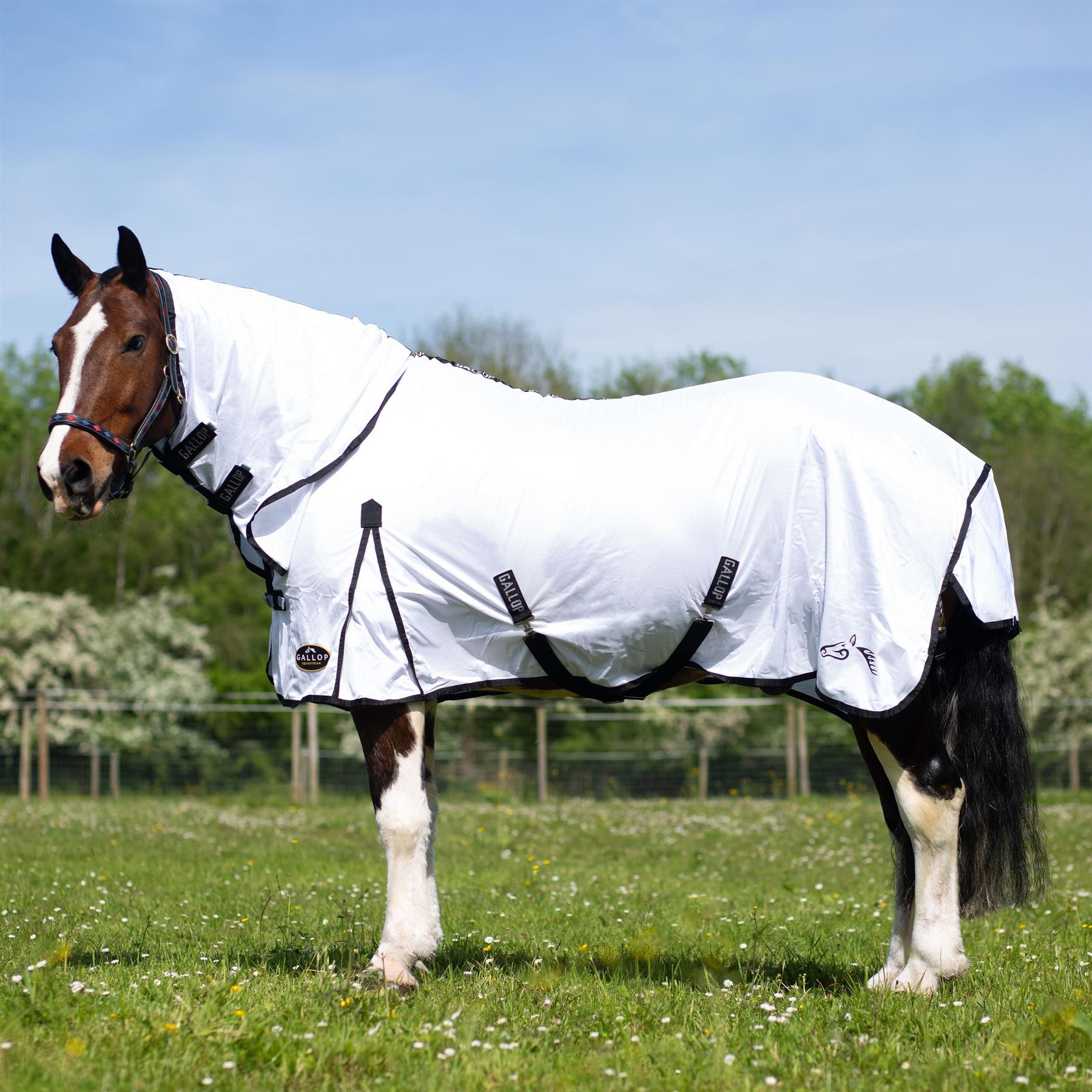
Since there's no magic bullet or miracle cure, managing EIA hinges on strict precautionary measures. Here are a few key strategies that could keep your prized horses safe:- Insect Control: Cutting down the presence of flies through repellents, and eliminating breeding grounds, could significantly lower EIA transmission rates. It's like playing bug LEED for equines, minus the bitcoins.
- Equipment Hygiene: Single-use medical equipment is not just preferred, it's essential. Reusing needles or syringes is tantamount to playing a risky game of viral roulette.
- Quarantine: Infected horses need to be quarantined at least 200 yards away from healthy ones or in dire cases, euthanized to avert further spread.
- Regular Testing: An annual rendezvous with the Coggins test aids early detection and containment. Plus, many equine events demand it as routine protocol.