West Nile Virus in Horses: Critical Prevention Tips
Recent reports indicate that a Quarter Horse filly in Colorado tested positive for West Nile Virus (WNV) and had to be euthanized due to severe symptoms. This unfortunate incident underscores the importance of WNV vaccination in horses and highlights the necessity of proactive disease prevention strategies.
Understanding West Nile Virus
West Nile Virus is a mosquito-borne disease that presents a significant threat to horses, with an alarming mortality rate of 30-40% for symptomatic cases. Horses are considered dead-end hosts, which means they cannot spread the virus to other animals or humans. Affected horses often exhibit neurological symptoms, such as weakness, anorexia, ataxia, depression, muscle twitching, and paralysis. Unfortunately, no direct cure exists, and supportive care remains the only treatment option. Therefore, vaccination is the most reliable means of prevention.
The Role of Vaccination
Proper vaccination is crucial for safeguarding horses against West Nile Virus. Horses that are already vaccinated must receive an annual booster shot, while unvaccinated horses need a two-dose series. This series should be administered three to four weeks apart. It's important to align vaccination schedules with regional mosquito activity, typically peaking in late summer.
The American Association of Equine Practitioners (AAEP) provides thorough vaccination guidelines to help ensure optimal protection throughout the year. By adhering to these recommendations, equine caretakers can significantly reduce the risk of infection.
Managing Mosquito Exposure
Beyond vaccination, controlling mosquito exposure is pivotal in protecting horses from WNV. Here are several effective strategies:
- Eliminate stagnant water to reduce mosquito breeding sites. For example, empty water troughs every 4-5 days.
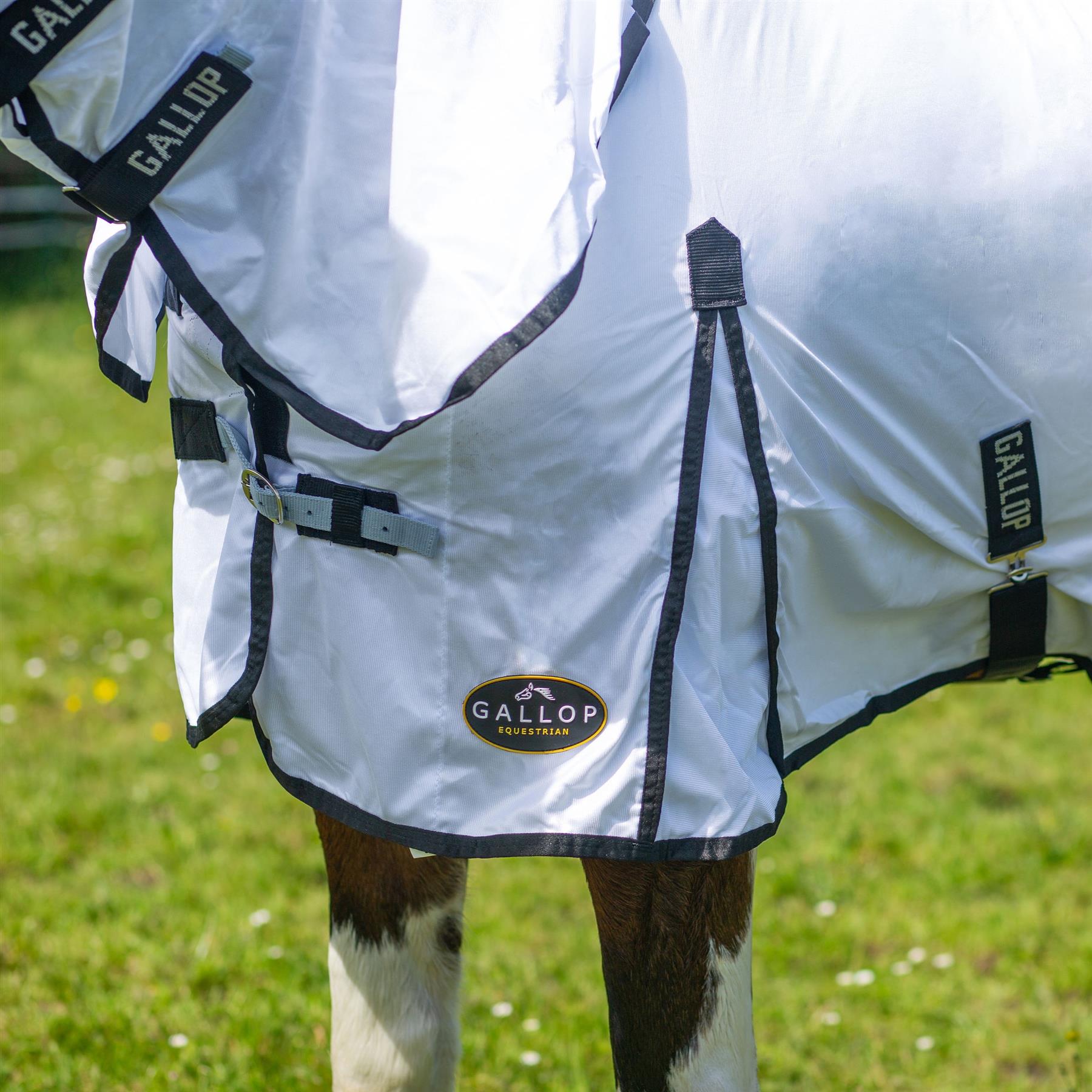
- Use Environmental Protection Agency (EPA)-approved mosquito repellents safe for horses.
- Keep horses indoors during peak mosquito activity periods, at dawn and dusk.
- Consider using biological mosquito control agents, like Bacillus thuringiensis israelensis (Bti), in water areas.
Efforts to control mosquitoes should be ongoing and integrated into the routine care of horses, especially in areas with known mosquito activity.
Communications and Alerts
In addition to preventative measures, maintaining vigilance through effective communication is vital. Organizations like the Equine Disease Communication Center (EDCC) disseminate crucial information about disease outbreaks. They contribute significantly to awareness and readiness within the equine community, promoting timely vaccination updates and mosquito control efforts.
Alerts from reliable sources such as the EDCC empower horse owners and veterinary professionals to adopt necessary measures that protect horse health.
Conclusion
Unvaccinated horses remain highly vulnerable in areas prone to West Nile Virus, and the case of the Colorado filly exemplifies the catastrophic result of inadequate preventive care. By prioritizing vaccination, mosquito control, and staying informed, horse owners can dramatically minimize the risk of WNV transmission.
Investing in ongoing education regarding disease prevention strategies, such as those suggested by the AAEP and EDCC, benefits not only the individual horse but also supports broader equine health and safety.
For more information on managing WNV in horses and understanding related guidelines, you can access resources from government and veterinary organizations, such as The Horse and Colorado Veterinary Medical Association.