Managing PPID in Horses: Are Supplements the Answer?
Pituitary pars intermedia dysfunction, commonly known as PPID, is a delicate topic among horse enthusiasts and owners. PPID, a prevalent endocrine disorder in older horses, demands a tailored management approach that often includes a balanced diet, proper veterinary care, and the wise use of supplements.
Understanding PPID: A Quick Overview
PPID, formerly recognized as Cushing's disease, manifests through a plethora of symptoms ranging from coat changes and excessive thirst to muscle wasting and a compromised immune system. Due to the multifaceted nature of this condition, horses with PPID require specialized care and nutrition to keep their well-being in check.
Why Consider Supplements?
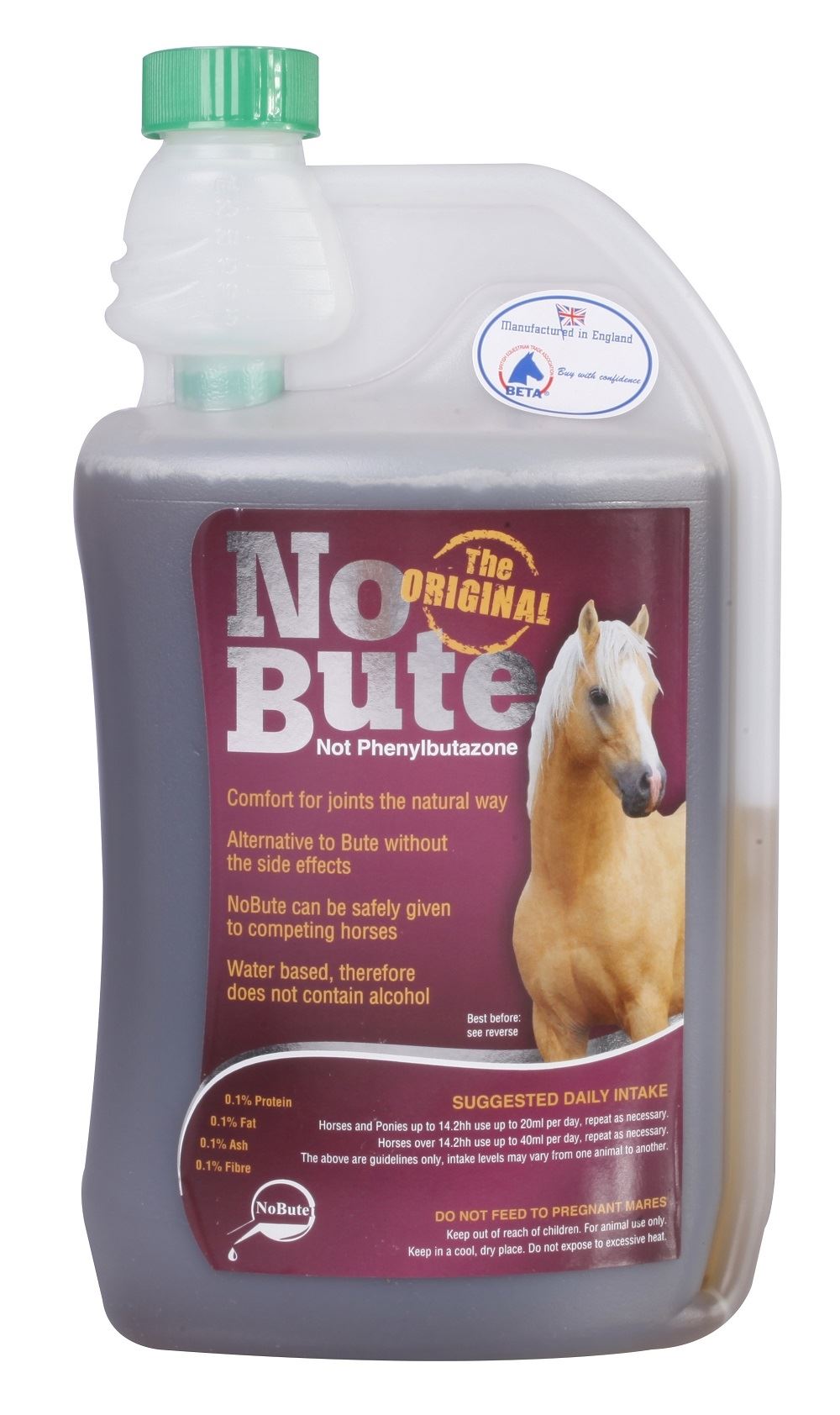
Research suggests that supplements can play a pivotal role in complementing the management strategies established for horses with PPID. However, it is important to approach supplementation as part of a broader dietary and clinical plan rather than a standalone solution. Integrating supplements into a horse's diet can potentially alleviate some symptoms and bolster their overall health, especially when combined with a low-starch, low-sugar meal plan.
Not-So-Secret Ingredients: What to Look For
When it comes to selecting supplements for horses with metabolic disorders like PPID, the marketplace offers a vast array of choices. Not all supplements are created equal, and selecting the right one necessitates insight. Here’s what to keep an eye out for:
- Antioxidants: These are essential in reducing oxidative stress levels in horses. Vitamins like E and C are known for their antioxidant properties.
- Omega-3 Fatty Acids: Known to aid in reducing inflammation, these essential fats are found in flaxseed and fish oil supplements.
- Amino Acids: Critical for muscle development, lysine and methionine support protein synthesis and are great for maintaining muscle health.
- Digestive Aids: An added bonus is that some supplements provide probiotics and prebiotics, which can be beneficial for a horse's gut health.
Seeking Professional Help: You Don't Have to Go It Alone
Consultation with veterinary professionals and equine nutritionists can significantly ease the process of developing the most effective plan for your equine friend. Vet advice is invaluable as it ensures that any supplements introduced will not interfere with other treatments such as prescription medicines, like pergolide, commonly used for PPID management.
Moreover, with their assistance, you can identify any nutritional gaps that may need addressing, ensuring an optimized diet tailored for your horse’s specific needs.
Anecdotes from the Field: When Expertise Meets Passion
One of the notable voices in this field is Dr. Liz Schatz, who offers a wealth of knowledge, not just through her professional engagements but through her dedicated volunteer work in Thoroughbred aftercare. Dr. Schatz, with her prominent background in veterinary affairs, emphasizes the importance of evidence-based selection of supplements, and advocates for the analytical assessment of dietary quality and nutrient balance.
Haylie Pfeffer, an equine studies graduate passionate about equine welfare, has also been instrumental in pushing the message across about the strategic use of supplements in managing metabolic issues, positioning them as crucial cogs in a well-oiled health management machine.
A Nod to the Curious: Further Exploration and Learning
If diving deeper into the world of PPID interests you, several topics await further exploration: the role of dietary management advances, updates on PPID-related research, and comparing different supplements for equine metabolic concerns. Equine endocrinology provides a rich tapestry of knowledge that combines science and practical wisdom aimed at improving horse health.
For those inclined towards a technology-driven approach, listening to thought leaders in equine health such as through the KPP podcast recordings can offer additional insights and guidance.
Nevertheless, at the heart of it all lies the primary objective – ensuring our equine companions live their healthiest, happiest lives.
Sources: Information within this article is drawn from insights shared by equine professionals and supplementary resources such as KPPUSA.com.