Understanding the Economic Impact of Equine Degenerative Joint Disease
Equine Degenerative Joint Disease (DJD), often referred to as osteoarthritis (OA), is a prevalent condition in horses that imposes a considerable burden on horse owners. With treatment costs, lost training opportunities, and rehabilitation expenditures adding up, managing this disease presents significant financial challenges. Understanding the economic implications of DJD is crucial for developing more effective and budget-friendly treatment strategies.
Core Treatment Approaches: Balancing Cost and Effectiveness
Veterinarians frequently advocate for a multimodal approach to treat DJD, leveraging a mix of cost-effective therapies. These include non-steroidal anti-inflammatory drugs (NSAIDs), systemic injectables, and nutritional supplements. For instance, PSGAG (Adequan i.m.) and Hyaluronic Acid (HA) are popular choices due to their affordability and efficacy. These systemic chondroprotectives offer significant benefits in maintaining joint health and reducing symptoms of inflammation.
NSAIDs, like firocoxib (Equioxx), though not curative, offer indispensable symptom management ideally in conjunction with supportive therapies to maximize clinical benefits while limiting side effects. Generic or compounded alternatives are sometimes considered to further limit costs, provided they match safety and efficacy standards.
Innovative and Emerging Therapies in DJD Management
Besides the traditional treatment modalities, new and innovative therapies are emerging. These include biologics and orthobiologics, which propose steroid-free alternatives suitable for horses with metabolic concerns. Despite the complexity and high costs associated with these treatments, options like IRAP (interleukin-1 receptor antagonist protein), stem cells, and polyacrylamide hydrogels show potential in extending the activity life of competition horses.
Nutritional Strategies: Role in DJD Management
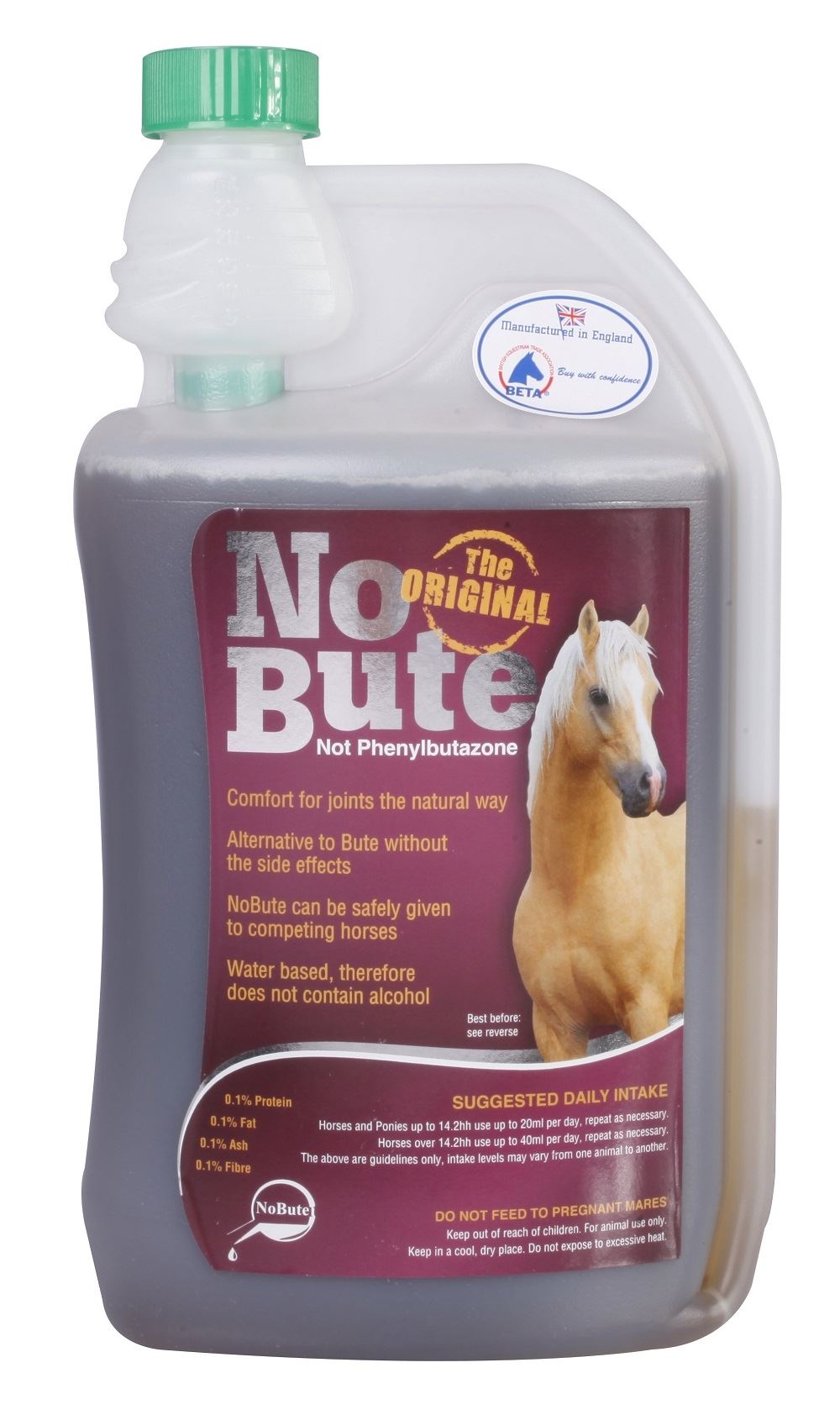
Nutritional interventions are gaining traction as valuable tools in managing DJD. Dietary supplements designed to protect cartilage and reduce inflammation can slow the progression of OA, especially in older or high-impact horses. Incorporating nutrition as part of a comprehensive treatment plan can enhance horse health outcomes while remaining cost-effective.
Exercise and Rehabilitation: Essential Considerations
Maintaining fitness through controlled exercise regimes and rehabilitation efforts is vital for horses with DJD. With early diagnosis through imaging and personalized treatment strategies, horses can continue to perform while staying sound. Such preparation minimizes therapeutic gaps and fosters promising recovery trajectories.
Practical Advice for Horse Owners and Veterinarians
To effectively manage DJD within a budget, it's essential to start with more accessible treatments, such as Adequan i.m. series and NSAIDs, and escalate therapy options as necessary. Facilitating early intervention is crucial, as it can markedly slow disease progression. The decision to utilize pioneer versus generic drugs should stem from efficacy evidence, guiding the way to economical yet effective treatment solutions.
By engaging collectively with veterinarians, horse owners can craft tailored management protocols that accommodate financial constraints without sacrificing health outcomes. Frequent monitoring for changes in rehabilitation or therapy plans is advised to maintain optimal results while managing costs.
These strategies empower horse owners and practitioners to navigate the complexities of equine DJD management, optimizing therapeutic outcomes and ensuring horses live healthier, longer lives.
For further reading, refer to sources such as TheHorse.com.