Florida Filly Tests Positive for West Nile Virus: A Growing Concern
On a day as sunny as Florida itself, the equine community received unwelcome news: a 2-year-old filly from Hernando County joined the ranks as the 11th recorded equine case of West Nile Virus (WNV) in Florida for the year 2024. Let's dive into what this means for horse owners and the broader implications for equine health management.
Understanding West Nile Virus in Equines
West Nile Virus is not just a mosquito-borne buzzword; it's a significant flavivirus that has kept equine veterinarians on their toes since its U.S. debut in 1999. Primarily transmitted by the tiny terrorists known as mosquitoes, WNV affects birds, humans, and regrettably, horses. The equine population has seen over 27,600 cases of WNV neuro-invasive disease, with a 30-40% fatality rate providing a chilling reminder of its severity.
Symptoms and Clinical Signs
For the equine victims displaying symptoms, the ordeal can range from mild to severe. Initial signs often include depression and anorexia, much like when we humans contemplate our keyboard warriors’ diet of endless takeout. As the disease progresses, horses may stagger under hind limb weakness, suffer tremors, and in dire cases, endure paralyzing neurological symptoms. Early detection can be elusive as symptoms can masquerade as minor ailments at the onset.
Diagnosis and Treatment
Diagnosing WNV requires a veterinarian's savvy touch, often utilizing serum tests, ELISA, or PCR testing of cerebrospinal fluid. While there is no cure per se, supportive care remains pivotal, focusing on managing symptoms and providing a semblance of stability until the storm passes.
Proactive Prevention and Management Strategies
The Power of Vaccination
Vaccination remains the frontline defense against WNV. Equine vaccination involves an initial dose followed by a booster 4 to 6 weeks later. In regions like Florida, where mosquitoes seem to party year-round, biannual boosters become advisable. Consider it insurance against the viral snipers lurking in the local wetlands.
Environmental Management Tips
As any seasoned Florida resident will tell you, mosquitoes find standing water irresistible. Therefore, mosquito control needs to start at home – or should I say, at the stable:
- Don’t let water gather in stock tanks or ponds; even tiny collections can become mosquito havens.
- Welcome mosquito-eating fish into water bodies.
- Keep gutters and equipment clear. Old tires and broken-down chairs are not fashionable water vases.
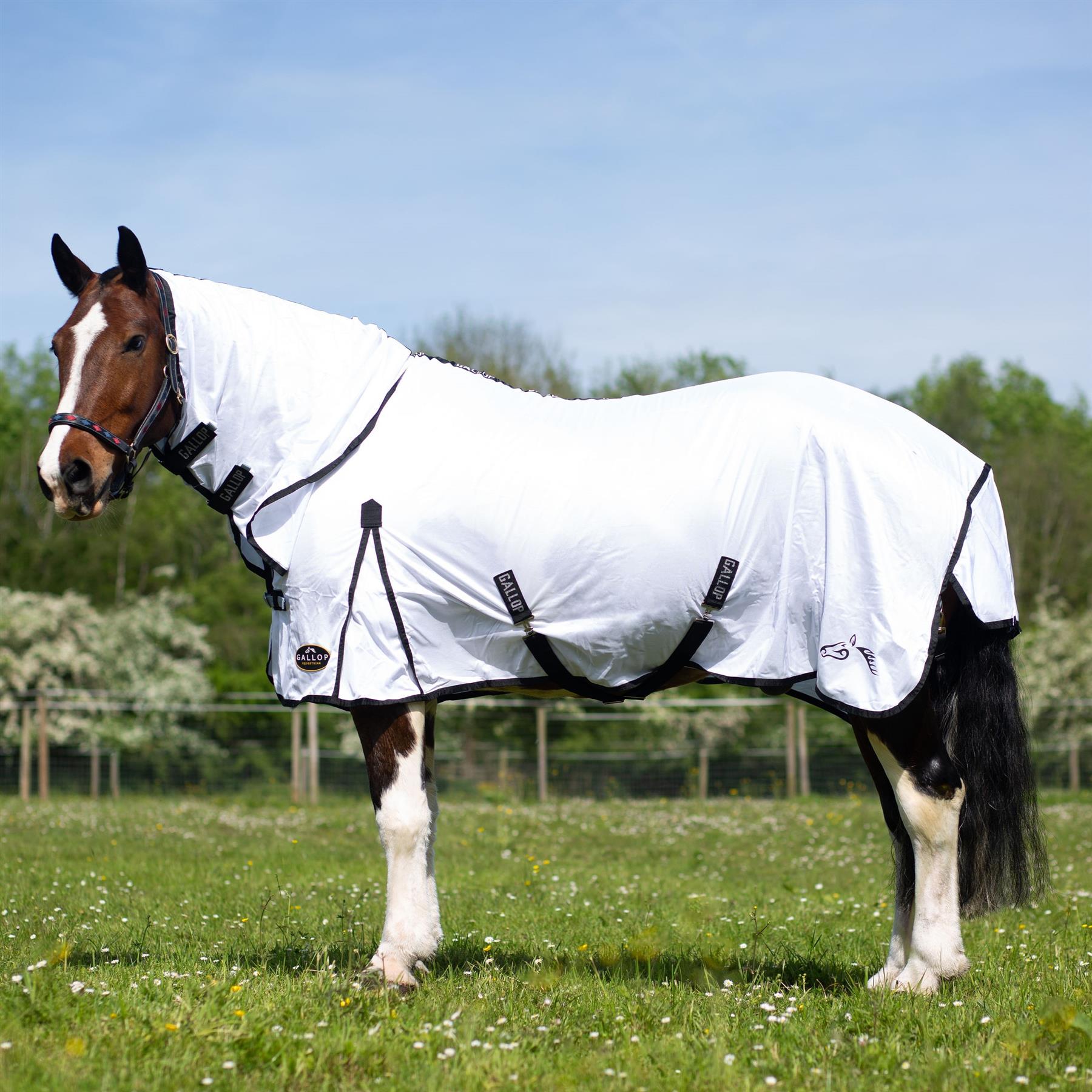
- Regular use of equine-safe repellents, particularly after rainfalls, can keep your four-legged friends itch-free.
- Shelter horses indoors during the peak mosquito hours of dawn and dusk.
Monitoring and Research
Surveillance is crucial for staying a step ahead of WNV. Florida’s innovative use of sentinel chickens to monitor the virus presence is a testament to creative mitigation strategies. However, continued research is paramount. Future studies could focus on:
- The microscopic battle: how WNV transmission actually happens in equines.
- New frontiers in vaccine development, aiming for long-lasting immunity.
- Understanding how our changing climate impacts mosquito populations and risks to equine health.
Conclusion: A Call to Action for Horse Owners
The discovery of yet another WNV case in Florida serves as a somber reminder of the virus’s persistent threat to equines. However, by embracing vaccination, prioritizing mosquito control, and supporting ongoing research, horse owners can effectively reduce the risk of WNV infection, ensuring happier, healthier horses.
For more comprehensive updates on equine health, keep an eye on resources like the Equine Disease Communication Center, as they offer invaluable vigilance against equine viral threats.
Sources: Information gleaned from research articles on West Nile Virus and its impact on equines, as well as equine health guidelines provided by the EDCC Health Watch program.