The Equine Infectious Anemia (EIA) Outbreak: Lessons from Colorado
In the equestrian community of Weld County, Colorado, an outbreak of Equine Infectious Anemia (EIA) has sent ripples of concern through the industry. On January 16, four Quarter Horses at a training facility tested positive for this incurable viral disease, emphasizing the ever-present biosecurity risks within such fields.
How It Happened
What initially appeared as a routine day turned into a nightmare when a 5-year-old Quarter Horse mare, used for match racing, tested positive for EIA during standard interstate checks. Despite looking sprightly, the mare showed signs of sluggishness and poor condition, leading to tests that confirmed EIA. Sadly, this beloved horse was euthanized due to complications from a lung abscess. As fate would have it, this was just the tip of the iceberg. Follow-up tests on January 29 unearthed three more positive cases, resulting in an urgent quarantine.
Understanding EIA: Not Just Another Cold
EIA is no ordinary horse illness. Caused by a lentivirus, it has a knack for attacking the horse's immune system. It's like the annoying party guest who refuses to leave, turning healthy horses into lifelong carriers with bouts of intermittent symptoms such as fever, weight loss, anemia, and overall malaise. With no known vaccine or cure, infected horses either face lifelong isolation or euthanasia. The virus primarily spreads through body fluids, often with the unwitting help of horseflies or shared equipment.
How Does Transmission Occur?
Transmission usually happens in crowded facilities like racing environments where dense horse populations and shared apparatus make it an inadvertent breeding ground. Mistakes, like using a contaminated IV catheter, have traced back sources of outbreaks, casting a spotlight on the necessity for cleanliness and responsible equipment-sharing practices.
Preventive Measures: Staying One Step Ahead
In the battle against EIA, prevention is indeed better than cure. Strict biosecurity measures can drastically lower infection risks:
- Always use single-use needles, and toy-sharing is better left for the playground than stables - sterilize all equipment.
- Routine Coggins tests should become a staple before travels, sales, or events. Remember, early detection heralds the best offense.
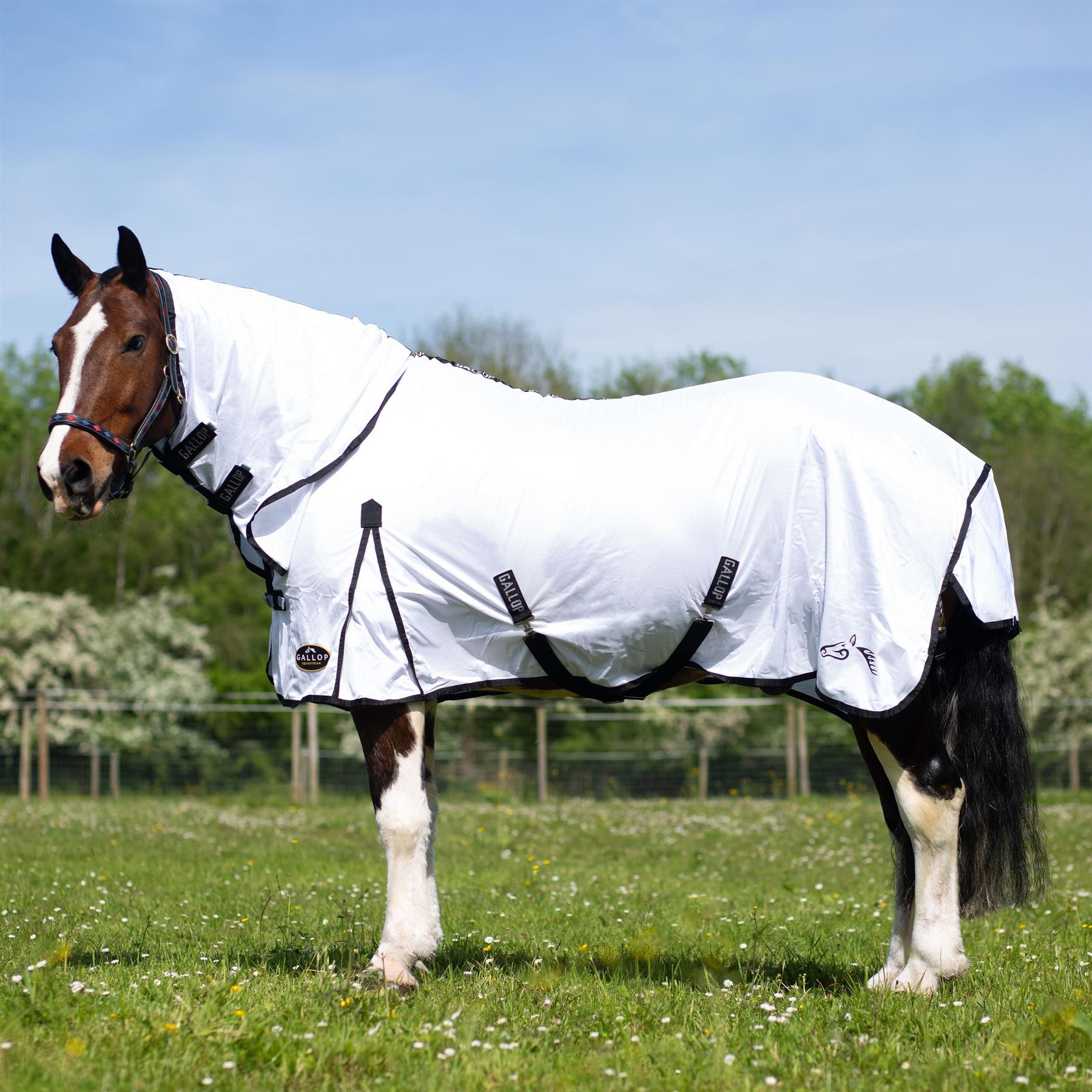
- Get creative with insect management: repellents, screens, and protective gear to fend off those pesky horseflies.
- Maintain a sharp eye for lethargy, inexplicable weight loss, or fever in horses. When in doubt, have 'em checked out.
Tracing the Path: From Outbreak to Quarantine
The equine whisperers of biosecurity, the Equine Disease Communication Center (EDCC), issued a Health Watch. Collaborating with the Colorado State Veterinarian’s Office, they took charge, ensuring that exposed horses undergo retesting and close monitoring. Their focus on transparency is essential, like a beacon in murky waters, emphasizing the importance of "clean" and "clear" when it comes to sharing disease surveillance data.
A Stark Reminder and a Call for Industry Unity
This incident doesn't just draw attention—it yells it from the rooftops. It’s a stern reminder of the lurking threats in equestrian engagements, urging facilities to elevate their hygiene game. The consequences are not just limited to potential outbreaks but also chip away at financial stability and trust within the industry. This scenario is a potent reminder of why ongoing vigilance, education, and industry collaboration are needed. From the racecourse to the leisurely trail, safety should always take precedence.
By learning from Colorado's recent series of EIA cases, which stand shoulder-to-shoulder with other outbreaks like the Equine Herpesvirus Myeloencephalopathy (EHM) and strangles, stakeholders in the equine industry can strive to prevent future outbreaks and protect both their horses and businesses.
For further reference, please see the original article on TheHorse.com.