Mastering Calm Farrier Visits Strategies To Keep Your Horse Relaxed And Stress-Free
How to Keep Your Horse Calm During Farrier Visits
Farrier appointments are vital for your horse's hoof health and overall well-being. However, providing a relaxed experience during these visits can sometimes be challenging. Horses may react differently – some may cooperate calmly, while others may show signs of distress. By following simple strategies centered on training, trust-building, and environment, you can transform farrier visits into a positive experience for both the horse and the farrier.
Training Your Horse for Calmness
Training is the cornerstone of a calm farrier visit. The key is to teach your horse to stand quietly and accept leg handling as part of a predictable routine. As equine behavior expert Lorenzo Zoppi suggests, the role of the owner is crucial in imparting patience and calm interactions through regular grooming and leg handling exercises. Rewarding your horse's calm behavior appropriately—with a treat, gentle affection, or clicker training—can solidify positive responses. Timing is crucial here. For instance, if you release your horse’s leg because it moves, you mistakenly reward the unwanted activity. Therefore, understanding learning theory and perfecting timing remains essential.
Building Trust and Confidence
When horses need trimming or shoeing, they are vulnerable due to standing on three legs, making trust in their handler paramount. Regular, confident handling contributes to building this trust and bolsters confidence in horses during farrier exercises. The predictability of interactions builds trust, helping horses remain relaxed and positive during handling procedures. Trust plays a critical role in reducing anxiety and ensuring your horse remains balanced and comfortable during these sessions.
Designing a Calming Environment
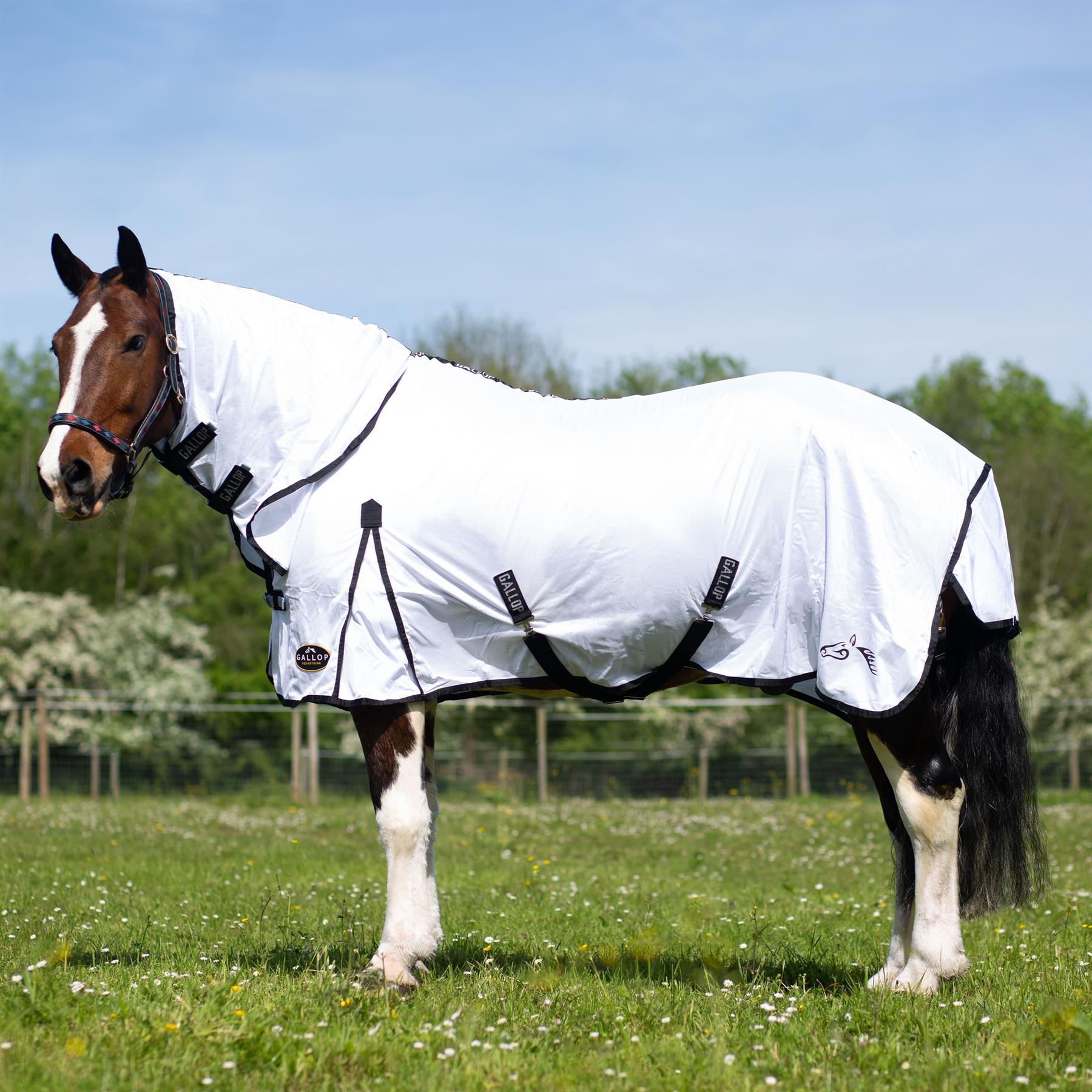
A horse’s surrounding environment significantly influences its behavior during farrier visits. A calm, quiet, and familiar setting devoid of stressors like noise, extreme weather, and pests contributes to calming the horse. Use practical aids such as fly masks and insect repellents to minimize irritation, fidgeting, or kicking caused by insects. Playing soft and calming music may also help to relax the horse during hoof care. Creating a familiar, serene setting that is shaded, flat, and well-lit can transform the experience, making it efficiently manageable for all parties involved.
Choosing the Right Farrier
Farriers with a keen understanding of equine behavior can make a substantial difference in reducing stress and enhancing the horse's comfort. Select a farrier who not only excels in hoof care but who is also sensitive to the horse’s behavioral cues. An understanding farrier will be better prepared to tailor their approach to individual horses, adapting as needed to minimize anxiety. As a horse owner, ensure you observe your farrier's interaction with your horse, and if stressful visits persist, consider selecting someone else in pursuit of a harmonious experience.
Using Sedation Wisely
While sedation can assist with challenging horses during farrier visits, it should not substitute for appropriate training and behavioral management. Used judiciously under veterinary supervision, sedatives like xylazine or detomidine may alleviate stress. However, it carries risks such as blood pressure drops or adverse reactions, particularly in older or heart-compromised horses. Sedation should be reserved as a last resort and used primarily in especially difficult cases rather than routinely.
Conclusion
By integrating patient and thoughtful training, fostering a peaceful environment, and collaborating with knowledgeable farriers, horse owners can make farrier visits a calm and positive experience. The goal is to create a setting where horses feel safe and trusting, ultimately supporting their health and well-being. Encouraging calmness during these visits reduces the risk of injury, enhances trust, and bolsters the overall health of horses, making each session more enjoyable for everyone involved.
Source:
TheHorse.com