The Crucial Task of Recognizing and Managing Pain in Horses
Pain management in horses is as intricate as it is essential. Equine discomfort, if unacknowledged, significantly hampers their welfare and ability to perform tasks. Despite being stoic creatures, horses' ability to mask discomfort necessitates keen observation and timely intervention. Let's delve into the complex landscape of equine pain and explore effective management strategies.
Spotting the Hidden Signs – Recognizing Pain in Horses
Identifying pain in horses is akin to detective work, given their tendency to disguise distress. Key indicators include behavioral shifts, such as increased irritability or a reluctance to move, alongside physical signs like lameness and altered posture. Tools such as the Ridden Horse Pain Ethogram (RHPE) and the Horse Grimace Scale (HGS) offer invaluable assistance in assessing musculoskeletal pain and associated facial expressions. These methodologies fill the gaps left by conventional lameness evaluations through their focus on behavioral and physical nuances.
Unpacking the Types of Pain – A Brief Overview
Pain in horses comes in various guises, primarily including:
- Nociceptive Pain: Arises from tissue damage or inflammation.
- Neuropathic Pain: Stemming from nerve damage.
- Inflammatory Pain: Strongly linked to conditions such as arthritis.
A multimodal treatment approach is crucial in tackling these diverse pain categories, ensuring a more effective handling of each type's unique characteristics.
Strategies for Pain Management – Toward Comprehensive Care
Pharmacological Interventions
Medical management remains a cornerstone of equine pain relief:
- NSAIDs: Widely used to manage both pain and inflammation despite potential side effects.
- Steroids: Highly effective for acute inflammatory conditions but warrant cautious use.
- Opioids: Reserved for severe pain scenarios due to possible adverse effects.
- Joint Injections: Provide significant relief, especially for osteoarthritis, when administered accurately.
Non-Pharmacological Interventions
Beyond medication, non-drug interventions play a vital role in pain management:
- Consistent Exercise: Essential for maintaining joint health and reducing discomfort.
- Rehabilitation Techniques: Include innovative methods like acupuncture, massage, and physical therapy.
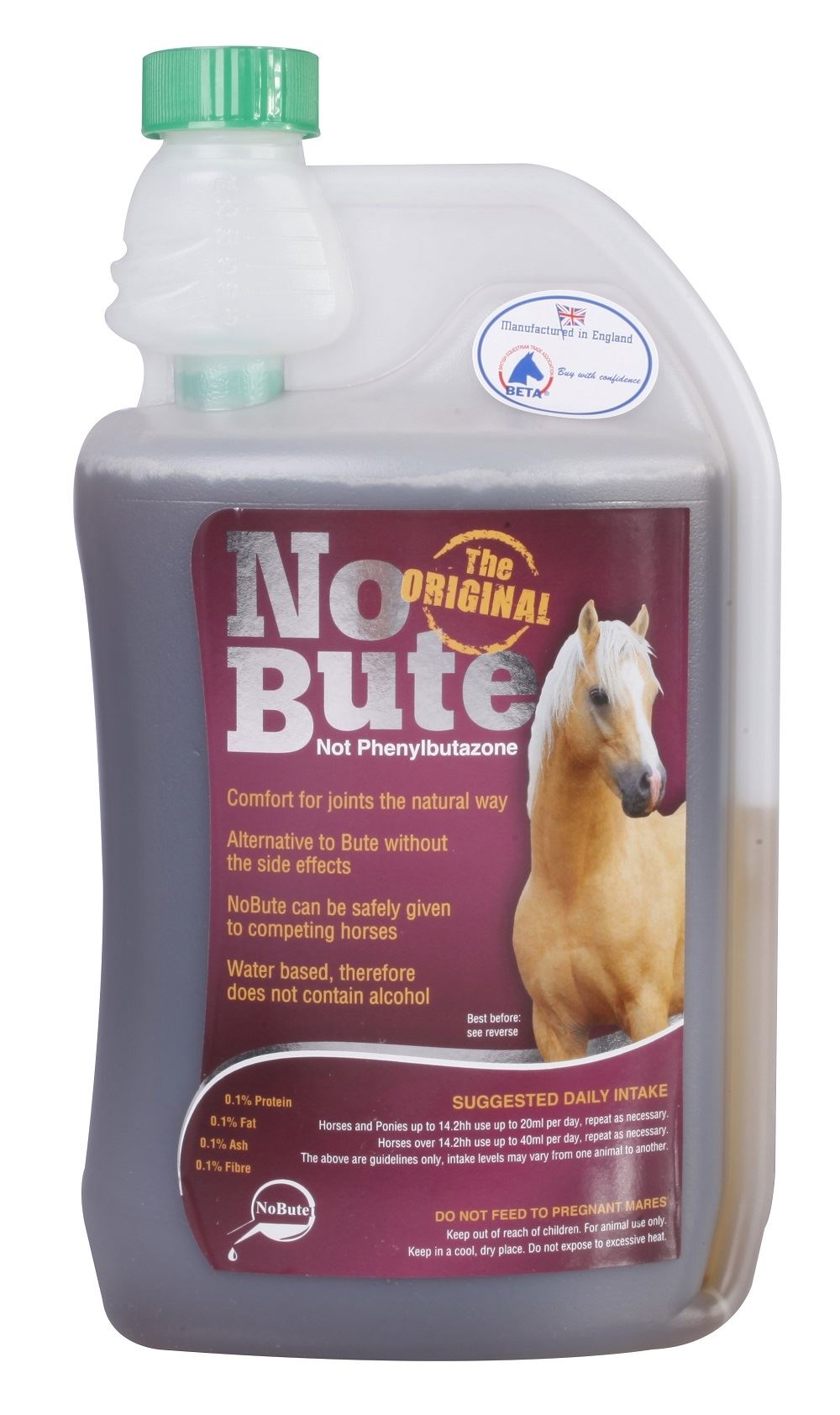
- Nutritional Supplements: Substances such as glucosamine and omega-3 fatty acids support joint health and quell inflammation.
Championing a Holistic Approach – A Team Effort
Efficient management of chronic pain in horses demands the collective efforts of veterinarians, trainers, and owners. Recognizing pain is crucial, yes, but understanding how to enact comprehensive care strategies is paramount. Rider education is equally pivotal in early detection and ongoing management, ensuring that horses' comfort and performance are optimal.
Following the Path of Future Research
Exciting avenues for future studies beckon, with research directions geared toward exploring:
- Medication Efficacy: Delving into the effectiveness and safety profiles of various pain management medications.
- Pain Recognition Tools: Advancements in creating straightforward and precise tools to detect horse pain.
- Non-Pharmacological Interventions: Evaluating the long-term impact of such approaches on chronic pain.
- Comparative Studies: Focusing on the efficacy and safety of differing joint injection types.
- Veterinary Anesthesia: Refining techniques for enhanced pain management during medical interventions.
- Rider Training Impact: Examining the effect of rider education on pain recognition and management in horses.
In conclusion, managing equine pain requires a finely tuned multifaceted approach, combining accurate recognition, tailored pharmacological and non-pharmacological strategies, and collective action from all involved parties. Through such comprehensive efforts, the quality of life, performance, and overall well-being of horses can significantly advance.
References: Source