Spring Horse Feeding: Navigating Nutrition for Seasonal Transitions
As spring blossoms and temperatures rise, horse owners find themselves faced with a unique set of challenges regarding their equine companion's nutrition. Although the grass turns greener, it's not just about letting your horses loose in the pasture and calling it a day. No, indeed! It's a season of transition that demands thoughtful adjustments to feeding regimes. Let's dive into some practical tips and insights to make this an easy transition for both you and your horse.
Understanding Pasture Changes
The first step in successful spring feeding is recognizing the changes occurring in your pastures. With the warm weather, grasses begin to flourish, altering their nutritional profile. As explained by Dr. Kelly Vineyard of EquiVine PhD Nutrition, spring grasses can contain higher sugar contents due to increased sunlight exposure. The surge in nonstructural carbohydrates (NSC) can be problematic for horses prone to metabolic issues, such as laminitis. It’s crucial to monitor your pasture and your horses' reactions to it closely.
The Role of Supplementation
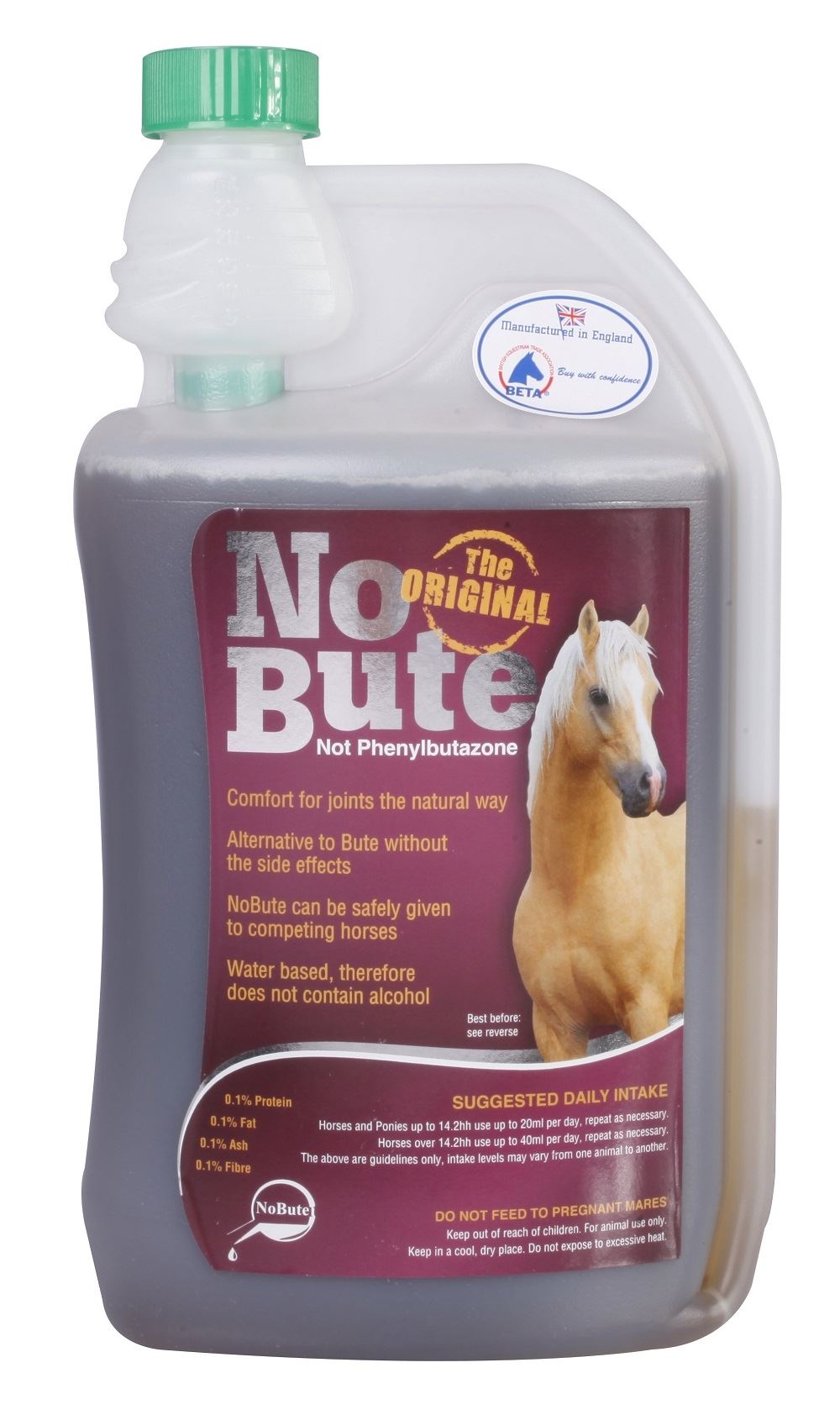
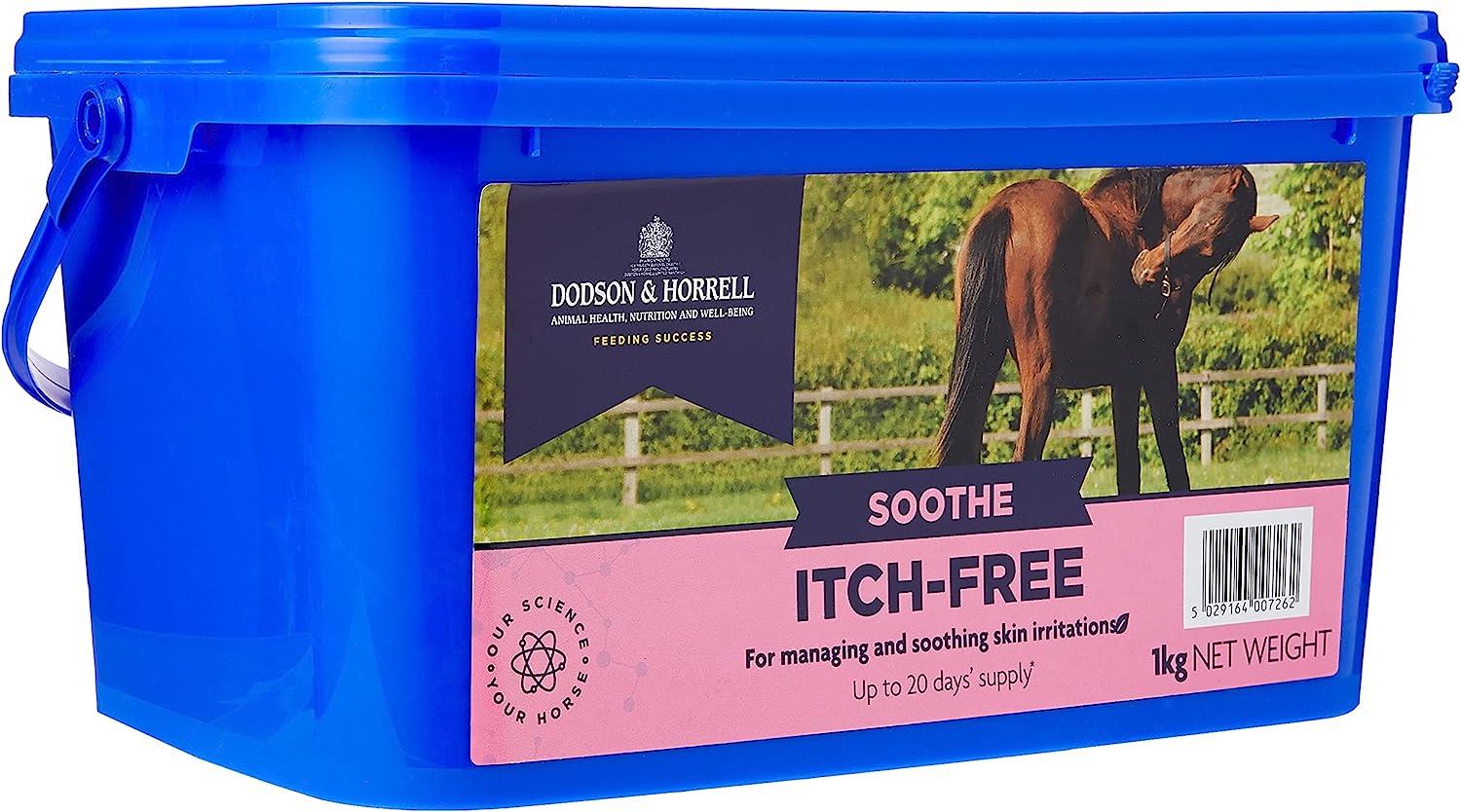
While fresh grass offers numerous benefits, it might not provide all necessary nutrients. Seasonal changes can impact a horse's overall condition. According to research, incorporating omega-3 fatty acids into the diet can enhance their immunity during this period of change. Dr. Vineyard emphasizes that balancing these fatty acids can also support joint and skin health. The transition into spring makes it an opportune time to reassess your horse’s supplement plan and adjust as necessary.
Adjusting Concentrates
With the shift in available forage, it's often necessary to revise the concentration of grains and other supplements your horse consumes. Increased pasture access typically decreases the need for high-calorie concentrates, allowing you to save a few bucks (and who doesn’t like that?). Adjusting the concentrates can help mitigate the risks associated with too many calories, ensuring your horse maintains a healthy weight throughout this lush time of year.
Monitoring Body Condition
Keeping an eye on your horse's body condition score can serve as an excellent feedback mechanism for your adjusted feeding strategy. In spring, frequent assessments are essential because of sudden changes in pasture and thus in diet—horses sometimes put on weight faster than you can say "sweet feed." Regular check-ins allow for timely modifications to the feed, ensuring that your horse remains fit and healthy all year round.
Putting Science to Practice
Don't let social media buzz steer your horse's fate! Many trendy nutrition ideas circulating online need thorough scrutiny before implementation. Consulting with a veterinarian before making any significant changes in your horse’s diet can effectively bridge the gap between myth and reality. For example, despite the hype, not every horse needs complex supplementation or drastic dietary shifts. Tailored, evidence-based approaches usually trump viral trends when it comes to long-term health benefits.
Final Thoughts and Resources
Spring presents an ideal opportunity to refine your equine nutrition program. By taking a few thoughtful steps, such as evaluating pasture quality, considering supplementation, adjusting concentrates, and monitoring body conditions, you can have all your horse ducks—or ponies, if you will—lined up for success. For additional insights and cutting-edge updates, equestrians can turn to resources like TheHorse.com or seek specialized consultancy from experts such as Dr. Vineyard.
For further reading on forage management and seasonal feeding, visit TheHorse.com. Remember, informed choices today can lead to seamless rides into tomorrow's blissful sunshine.