The Hidden Pitfalls of Horse Feeding: What Every Owner Should Know
Feeding your horse isn't just about tossing some hay and oats their way. Similar to celebrity chefs crafting the perfect soufflé, finding the right nutritional balance for your equine companion requires precision, knowledge, and sometimes a touch of humor. If you're a horse owner, you might not realize how a few common missteps in feeding could be impacting your animal's health. Let's delve into these frequent blunders and learn the secret recipe for a healthier equine diet.
Why Feeding Mistakes Matter
Imagine trying to drive your car on the wrong fuel; similarly, feeding horses incorrectly can be detrimental. Equine nutrition is a cornerstone for maintaining their health, offering necessary energy and promoting long-term welfare. Horses by nature are trickle feeders, designed to consume high-fiber forage for 18-20 hours daily. Modern feeding practices often deviate from this ideal, introducing grains, supplements, or simply not adhering to precise measurement standards.
Dr. Nicole Rambo, who heads the Tribute Equine Research and Innovation Center, points out that many of these pitfalls stem from misunderstanding or oversight. Thankfully, evidence-based fixes can turn around these common feeding errors.
Top Feeding Mistakes and Their Solutions
- Feeding by Volume Instead of Weight: Sure, guesstimating a horse's meal using scoops or flakes may seem convenient, but hay can vary greatly in density. One flake of lucerne hay, for example, is denser than pasture hay. This can lead to either overfeeding or underfeeding. Using a kitchen or luggage scale to weigh out 1.5-2.5% of your horse's body weight in forage daily is key. For a 500 kg horse, this equates to feeding approximately 7.5-12.5 kg of forage each day.
- Not Providing Enough Salt: A salt lick might suffice for cattle, but horses have a harder time extracting sodium this way. This deficiency can risk dehydration and impaction colic. To avoid this, offer your horse about 1-2 ounces of loose white salt every day, especially in steamy weather or if they're working hard.
- Over- or Underfeeding Calories: Just like people, horses can face health issues from unbalanced calorie intake. Overfeeding can lead to obesity and laminitis, while underfeeding can leave performance horses and seniors lacking. Calories come from protein, fat, and carbohydrates—note that fats offer more calories per pound. Match your horse's intake to their body condition, workload, age, and even the season. Consulting a vet for a tailored plan can work wonders.
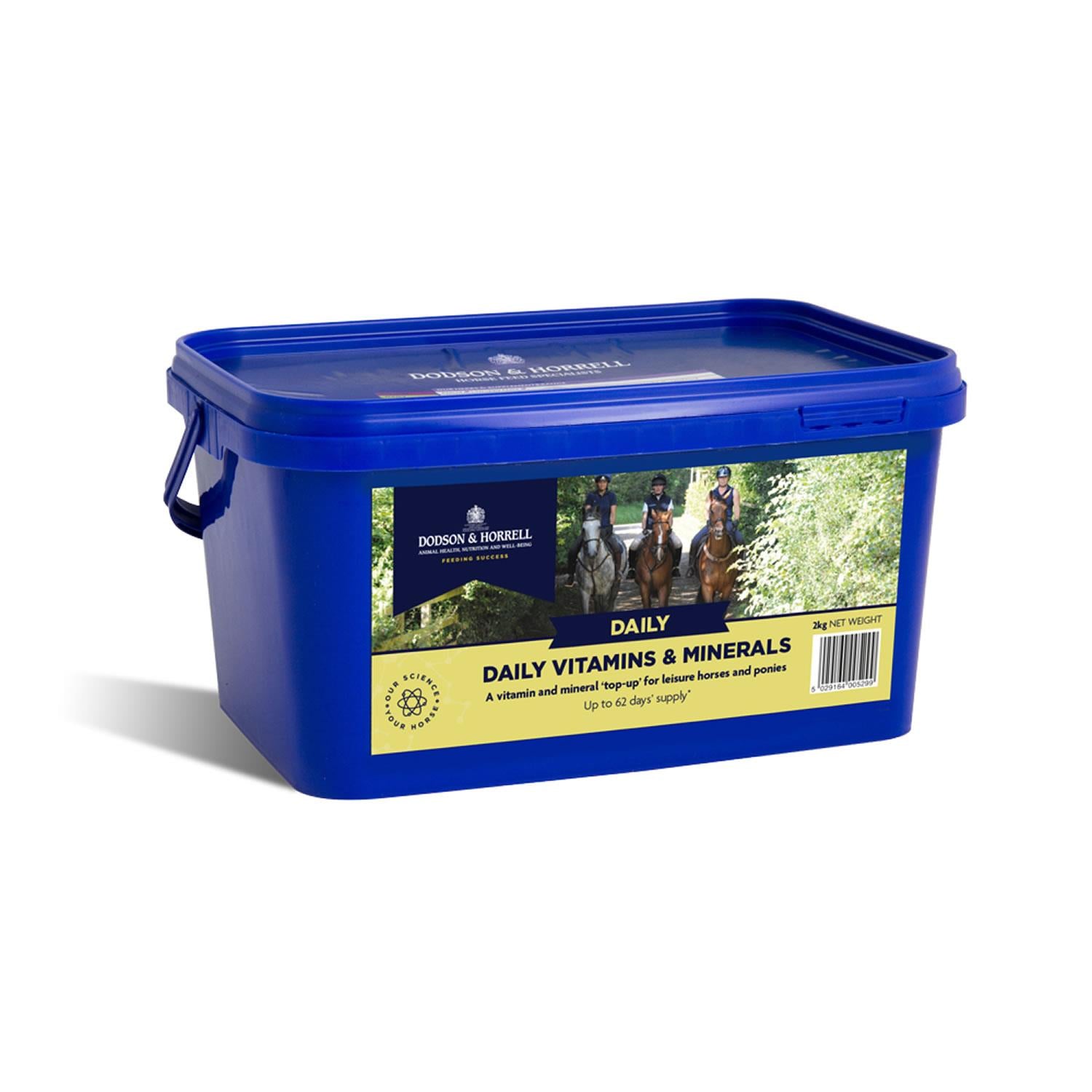
- Over-supplementation: More isn't always better. Overwhelming your horse with supplements can cause imbalances, such as excess calcium blocking phosphorus uptake. Remember, supplements should fill dietary gaps, not replace the essential nutrients found in forage. If feeding "complete" senior feeds, ensure they're given at the full recommended rates for vitamins and minerals.
- Ignoring Forage Quality and Analysis: High-fiber pasture or hay should be prioritized, but not all forage is created equal. Poor quality hay can lead to deficiencies in protein and essential minerals or an excess of starch and sugar. This is especially harmful to horses with metabolic issues. Analyzing your hay for elements like calcium-to-phosphorus ratios and adjusting seasonally can maintain your horse's health.
Learning from Expert Insights
In her article, "Feeding Horses: Common Feeding Mistakes" on TheHorse.com, Dr. Rambo not only debunks the myth regarding corn's role in equine diets but she also emphasizes the importance of weighing feeds accurately. Prioritizing forage and seeking professional advice for breed-specific nutritional needs can stave off dietary havoc linked to ailments like colic.
Optimizing Your Horse's Diet
The starting point for a healthier diet involves estimating your horse's body weight accurately, conducting an analysis of the hay you're using, and measuring feeds with precision. Performance horses or those of specific breeds, such as Thoroughbreds, might require additional grains adjusted for their workload. Steer clear of viral trends that advocate untested feeding methods without consulting veterinary expertise.
Consider using tools like nutrition calculators to help spot any nutritional gaps. This proactive approach towards diet management can enhance your horse's welfare significantly, echoing advice from numerous equine educational sources.
Whether you're planning a meal for yourself or your horse, remember it's the small details that often create a recipe for success. With thoughtful planning and adherence to best practices, your horse will reap the benefits of a sound diet and, who knows, might even serenade you with the clip-clop of gratitude.
For more insights from Dr. Nicole Rambo on equine nutrition and beyond, consider visiting TheHorse.com.
Sources: TheHorse.com; Horse Sport; Stable Management; Nicole Rambo (https://www.youtube.com/watch?v=1LsuAkA2IyA)