Mosquito-Borne Threats in Louisiana: The EEE and WNV Outbreaks in Horses and What You Need to Know
Ringing Alarms: The EEE Outbreak in Louisiana Horses
The recent confirmation of Eastern Equine Encephalitis (EEE) in eleven Louisiana horses signals a pressing health concern. Unbeknownst to many, this viral outbreak is a sinister mosquito-borne affliction that deserves immediate attention. Even more concerning, one of these horses tested positive for West Nile Virus (WNV), adding another layer of complexity to the ongoing struggle against mosquito-transmitted diseases. Let’s dive into the facts and preventative strategies you should know.
Decoding EEE and WNV
Eastern Equine Encephalitis is transmitted from wild birds to horses and occasionally humans through mosquito bites—primarily, mosquitoes of the Culiseta genus. Horses act as "dead-end" hosts, which means once they’re infected, they don't directly transmit the virus to other animals or people. Nevertheless, with mortality rates over 90% in unvaccinated horses, EEE is a dangerous foe not to be underestimated. Symptoms such as depression, paralysis, and seizures progress rapidly, often culminating in death or euthanasia.
On the other hand, West Nile Virus affects the nervous system, causing muscle twitching and mental inconsistencies. Although it isn't as deadly as EEE, boasting a mortality rate of 30-40% in affected horses, it’s still quite serious.
Understanding these two pathogens is crucial because their presence in horses is often a bellwether for mosquito-borne illness risks in humans.
Recent Trends and Statistics
Louisiana, famous for its cuisine and bayous, unfortunately also has a history with EEE. Periodic spikes have occurred in the last two decades, causing concern and prompting public health alerts. Despite the lack of quarantine measures, the situation is closely monitored by health authorities, evaluating interconnected risks between animals and humans.
Prevention: A Stitch in Time Saves Nine
Without a doubt, vaccination is the number one preventive strategy. The American Association of Equine Practitioners (AAEP) categorizes EEE vaccination as “core,” essentially making it mandatory for all U.S. horses. WNV vaccination is also pivotal, often requiring annual or even bi-annual boosters dependent on seasonal mosquito activity. For a vivid picture on vaccination guidelines, explore the AAEP’s detailed guidelines [here](https://aaep.org/resource/eastern-western-equine-encephalomyelitis-vaccination-guidelines).
Mosquito control offers a two-pronged benefit by protecting both horses and humans. These diligent measures include:
1. Eliminating standing water to thwart mosquito breeding.
2. Regularly cleaning and refilling water troughs.
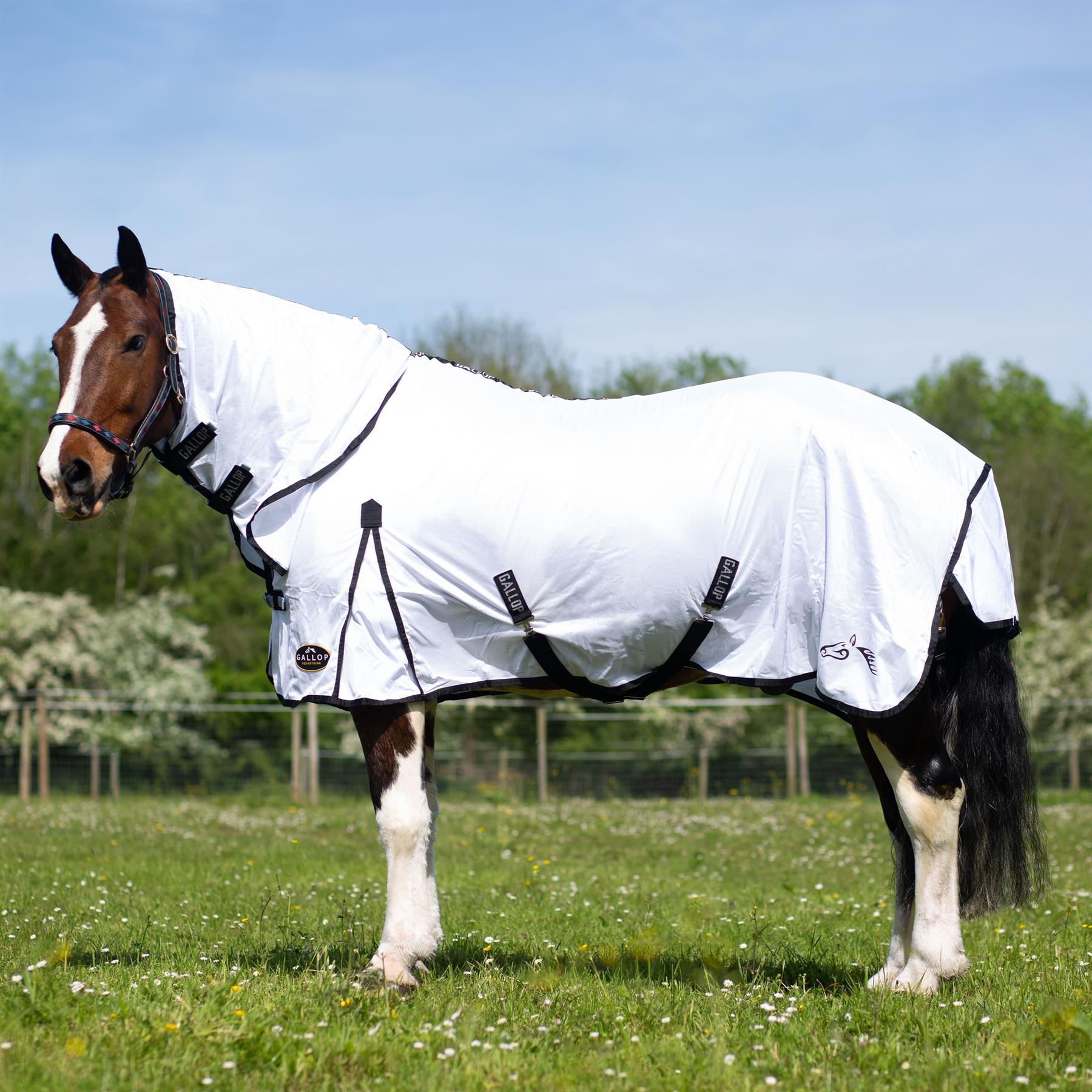
3. Utilizing equine-approved mosquito repellents.
4. Keeping horses sheltered during mosquito-active periods such as dawn and dusk.
Implementing these measures not only protects our equine friends but also reduces public health risks.
Ripple Effects: Public Health Considerations
Although direct transmission from horses to people is rare, the existence of these viruses in horse populations serves as a canary in a coal mine for human risks. These diseases are promptly reportable to health authorities, facilitating swift action to shield communities. Equine outbreaks often precede human cases due to overlapping mosquito vectors, thus integrated surveillance and action is paramount.
Future Directions: Navigating the Unseen Terrain
The EEE and WNV outbreaks invite further probing:
- What environmental or climatic factors are propelling this surge?
- Are vaccination protocols adequately tailored for the times, or in need of revamping?
- Are current vector management strategies hitting the mark, or do we need fresh tactics?
In addressing these questions, future prevention and control strategies in Louisiana and elsewhere can become more nuanced and potent.
Conclusion
The recent EEE and WNV cases in Louisiana signal an urgent call for action among equine and public health stakeholders. Vaccination and mosquito control remain our strongest alliances against these invisible adversaries. As we tackle these deadly mosquito-borne challenges, collaborative efforts in surveillance and education are indispensable. Horse owners and veterinarians should stay informed about local disease dynamics and act proactively to secure a healthy, safer future for their chargers.
Credits:
- [TheHorse.com](https://thehorse.com/)
- [AAEP Vaccination Guidelines](https://aaep.org/resource/eastern-western-equine-encephalomyelitis-vaccination-guidelines)