Understanding Navicular Disease in Horses
Navicular disease, often called navicular syndrome, is a prevalent cause of lameness in horses, especially impacting breeds like Quarter Horses, Thoroughbreds, and Warmbloods, typically between the ages of 5 and 15. Though veterinarians strive to manage this multifactorial ailment effectively, complete prevention remains elusive due to its complex roots in developmental, biomechanical, genetic, and conformational factors. Nonetheless, employing proactive measures such as balanced hoof care and corrective shoeing can decelerate its progression and enhance comfort for the horse.The Intricacies of Navicular Disease
Navicular disease is characterized by the inflammation or degeneration of the navicular bone and its surrounding ligaments, as well as the deep digital flexor tendon within the hoof. Numerous factors contribute to this condition, including small hooves relative to the horse's body size, long toes combined with underrun heels, and excessive body weight. Furthermore, the demands placed on performance horses can heighten stress on the heel and coffin joint. These stressors can exacerbate the imbalance, leading to chronic foot problems. While genetics might play a role — with a higher prevalence in stock-type and sport horses — there is no singular cause or consistent presentation of this disorder.Veterinarian's Role in Prevention
Although veterinarians can't promise a cure for navicular disease, they can play a pivotal role in prevention through early detection and comprehensive management plans. Routine veterinary check-ups, including annual radiographs, are vital in identifying subtle changes before lameness becomes evident. Collaboration with skilled farriers is crucial, as they will evaluate each horse's work, conformation, and history to develop tailored hoof care strategies. Essential preventive practices include regular hoof trimming and balancing, weight management, controlled exercise on softer surfaces, and dietary supplements to support joint health.Treatment Options
Once navicular disease is diagnosed, treatment focuses on alleviating pain, reducing inflammation, and correcting any biomechanical issues. Surprisingly, about 50% of affected horses achieve functional soundness for a minimum of a year. Treatment strategies can vary significantly based on individual responses, with options like corrective farriery, medications, injections, and even alternative therapies such as acupuncture. Here’s a quick breakdown:- **Corrective Farriery**: This involves techniques such as using egg-bar shoes, wedge pads, and rolled toes to redistribute pressure and facilitate a heel-first landing, which is often the cornerstone of therapy.
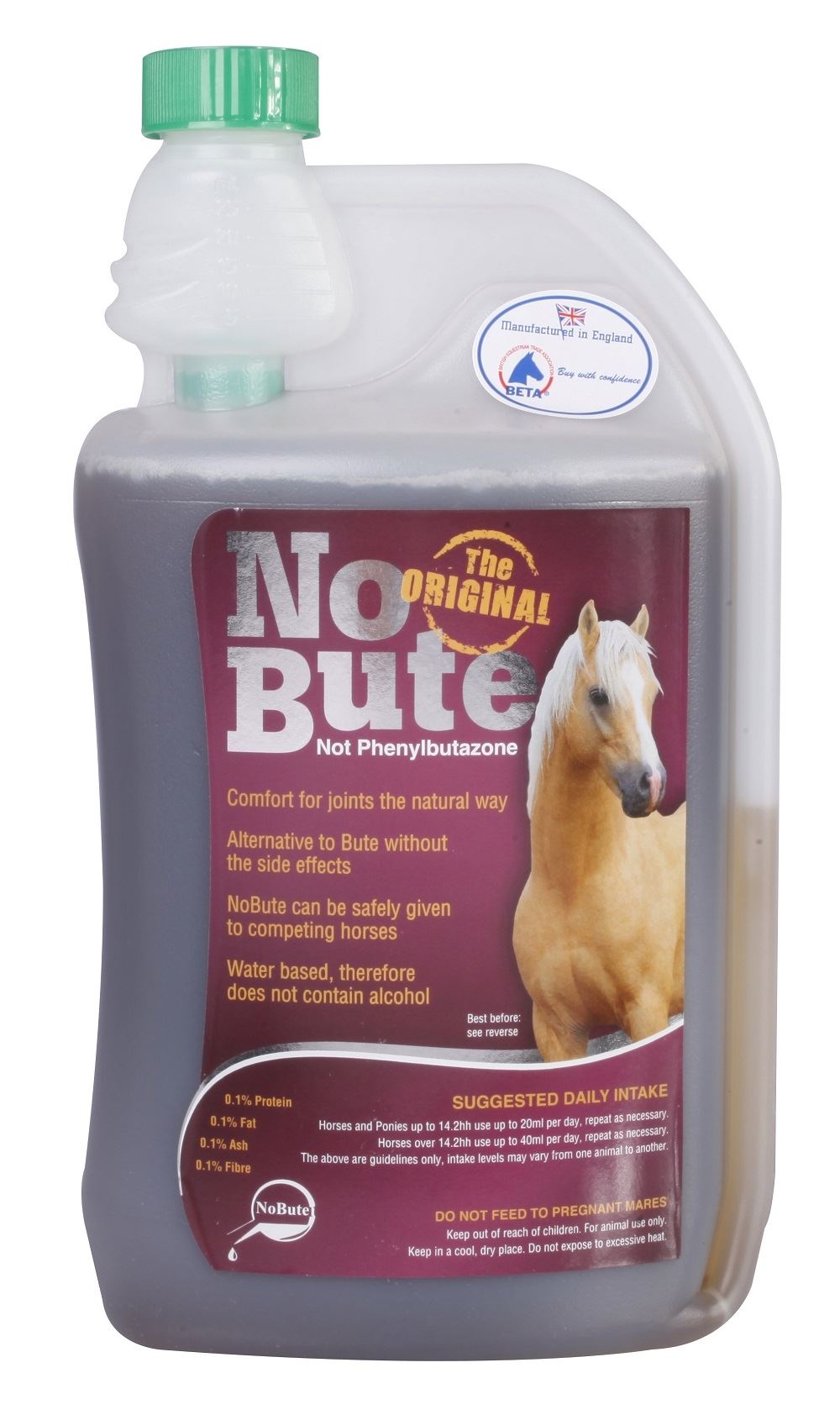
- **Medications**: Non-steroidal anti-inflammatory drugs (NSAIDs) and bisphosphonates can help to alleviate inflammation and improve circulation.
- **Injections**: Corticosteroids or biologics injected into the coffin joint or navicular bursa can target local inflammation effectively.
- **Alternative Therapies**: Acupuncture, chiropractic treatments, and certain supplements provide supportive care, although they should complement — not replace — primary therapies.
- **Surgery**: Reserved for cases where conservative treatment fails, a palmar digital neurectomy might be considered as a last resort.