Optimizing Equine Health And Management Through Nutrition, Socialization, And Innovations
Unlocking the Secrets to Optimizing Equine Health and Management
Nutritional Needs: The Backbone of Equine Health
When it comes to horse care, the sage advice of "you are what you eat" applies just as much to equines as it does to humans. Horses are natural grazers, designed to munch away at grass all day long. Providing free-choice hay isn’t merely an option; it’s a health mandate. Feeding horses low-energy hay and slow-feeding alfalfa can solve metabolic dysfunction like obesity (source: [The Plaid Horse](https://www.theplaidhorse.com/2024/12/23/the-pillars-of-my-equine-care-system-as-a-lifetime-horse-woman/)).
Importance of Turnout and Socialization
If you think solitary confinement sounds bad, imagine it for a naturally social creature like a horse! Providing horses with regular turnout lets them socialize, excelling physical health and cultivating mental dexterity by teaching them social cues. Horses with adequate time outside are less anxious and behave better, reinforcing the wise equestrian mantra, “a horse in motion stays in emotion” (source: The Plaid Horse).
Arena Footing: More Than Just a Fancy Term
It’s all about “footing”—a term that might sound fancier than it is. Proper arena surfaces are essential for a horse's comfort and long-term leg health. Uneven surfaces can spell disaster, leading to long-term issues that no amount of bedazzled saddles can fix. Maintaining the arena's footing regularly ensures your horse skips the leg day nightmare—drag those arenas, switch the footings, and watch your horses strut their stuff without a limp in sight.
Choosing the Right Trainer and Ensuring Rider Safety
The relationship between horse and rider can be divine, or, well, a screaming miscommunication. Choosing a trainer who matches your goals isn't just savvy; it’s essential. Look for trainers specialized in what you need—whether it’s starting young horses or emboldening timid riders. Meanwhile, safety should never take a backseat, as tips and best practices fueled by social media platforms focus on safeguarding both equine and human well-being. Don't just take the reins; learn to hold them safely.
Biosecurity: The Silent Sentry Against Disease
Biosecurity is the watchful guardian preventing infectious diseases from galloping through your stable doors. Proper cleaning, ventilation, and limiting shared equipment remain the backbone of bio-security measures. As horse owners, becoming aware of the potential risks can help protect your pride—the equine family.
The Icing on the Cake: Advances in Equine Healthcare
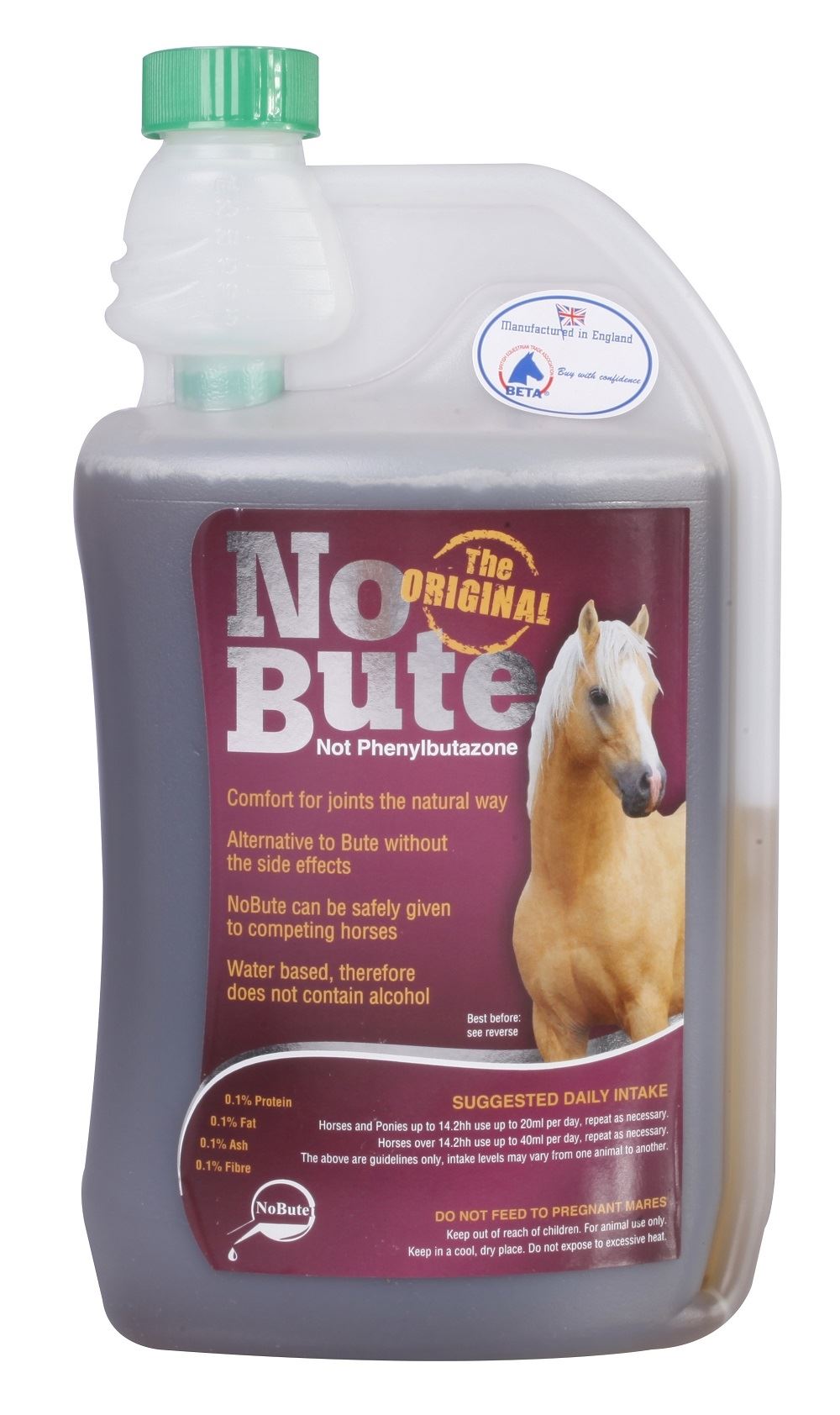
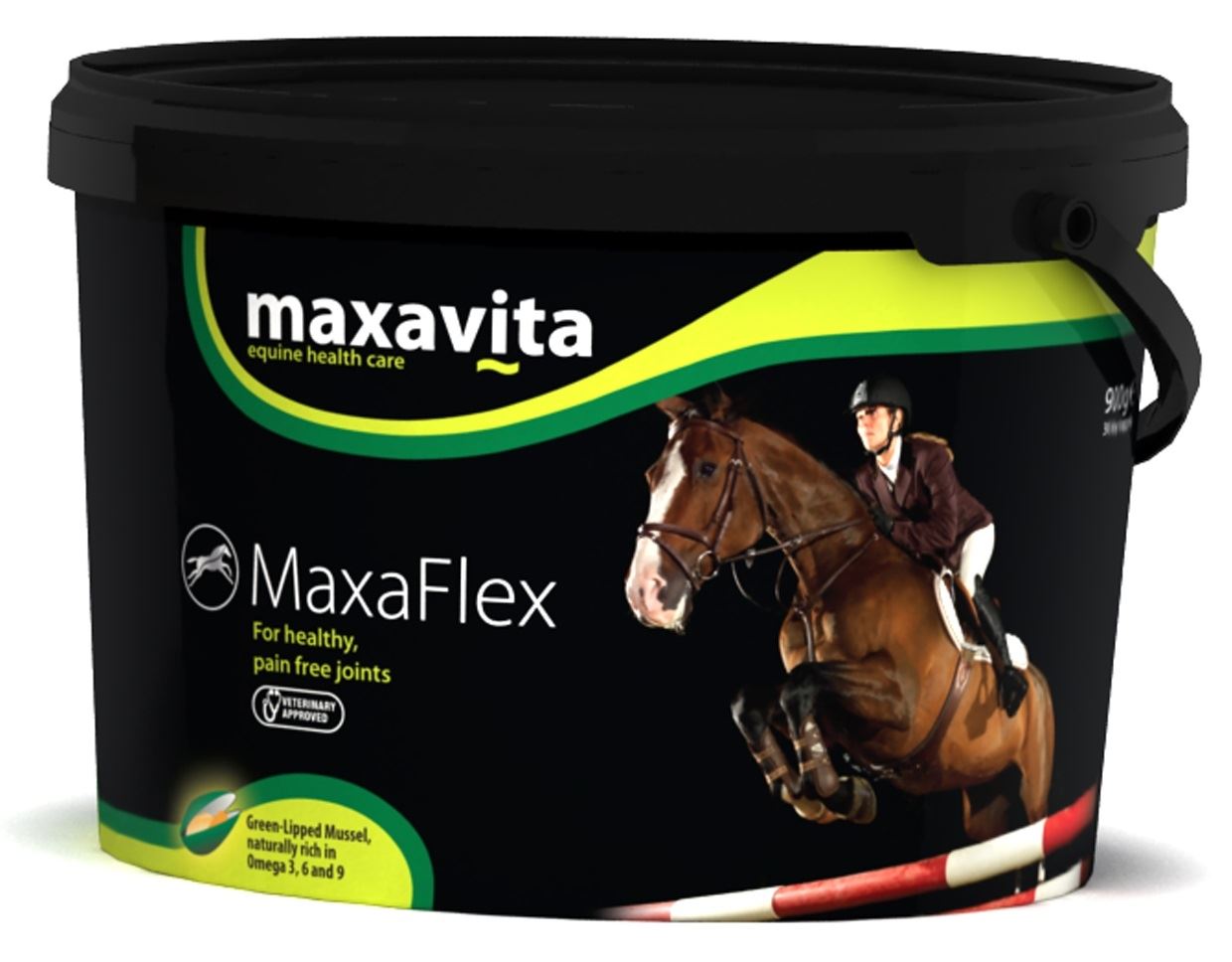
Equine healthcare innovations resemble the birthday candle atop a well-baked cake. From pioneering joint care and wound healing to unraveling how the equine microbiome influences health, these advancements are transformative. Understanding these can propel a horse owner from merely surviving the rigmarole of horse care to thriving in a more informed, responsive capacity. Keeping abreast of these developments ensures you're not left trotting behind in an ever-evolving field (source: The Plaid Horse).
The Concluding Prance
To sum up, the art of horse health and management demands a comprehensive approach. From hay to hoof care, promoting a happy, healthy horse life necessitates considering nutrition, socialization, safe training, vigilant bio-security, and the latest in medical breakthroughs. By prioritizing these aspects, owners can ensure their loving equines not only gallop gracefully but do so sprinkled with health and plentiful joy throughout their lives.
Future research into cost-effectiveness in horse ownership, rehabilitative therapies, and genetic enhancements is poised to fit like a perfectly tailored saddle in advancing equine welfare further.
Source: Insight based on references from the 'The Horse' and 'The Plaid Horse'.