Preventing Squamous Gastric Disease in Horses: A Comprehensive Guide
Squamous gastric disease is a prevalent condition affecting the upper lining of a horse's stomach. It is a branch of the larger equine gastric ulcer syndrome (EGUS) and arises primarily due to dietary and management practices. Let's delve into how you can keep your beloved equine partner healthy and happy with effective prevention strategies.
Understanding Squamous Gastric Disease
Horses have unique digestive systems that continuously produce stomach acid. Unfortunately, the squamous region in the upper stomach lacks solid protection, making it susceptible to irritation from splashing stomach acid, especially during intense exercise or when the horse is fasting. To put this in perspective, studies have shown that horses fed only twice a day have a 75% ulcer prevalence versus 58% when fed three times daily, signifying the risks of leaving their stomachs empty for too long.
Core Prevention Strategies
Prioritize Constant Forage Access
- Ensure your horse has ad libitum roughage available, such as hay or pasture. This maintains stomach buffering through saliva production, reducing acid exposure.
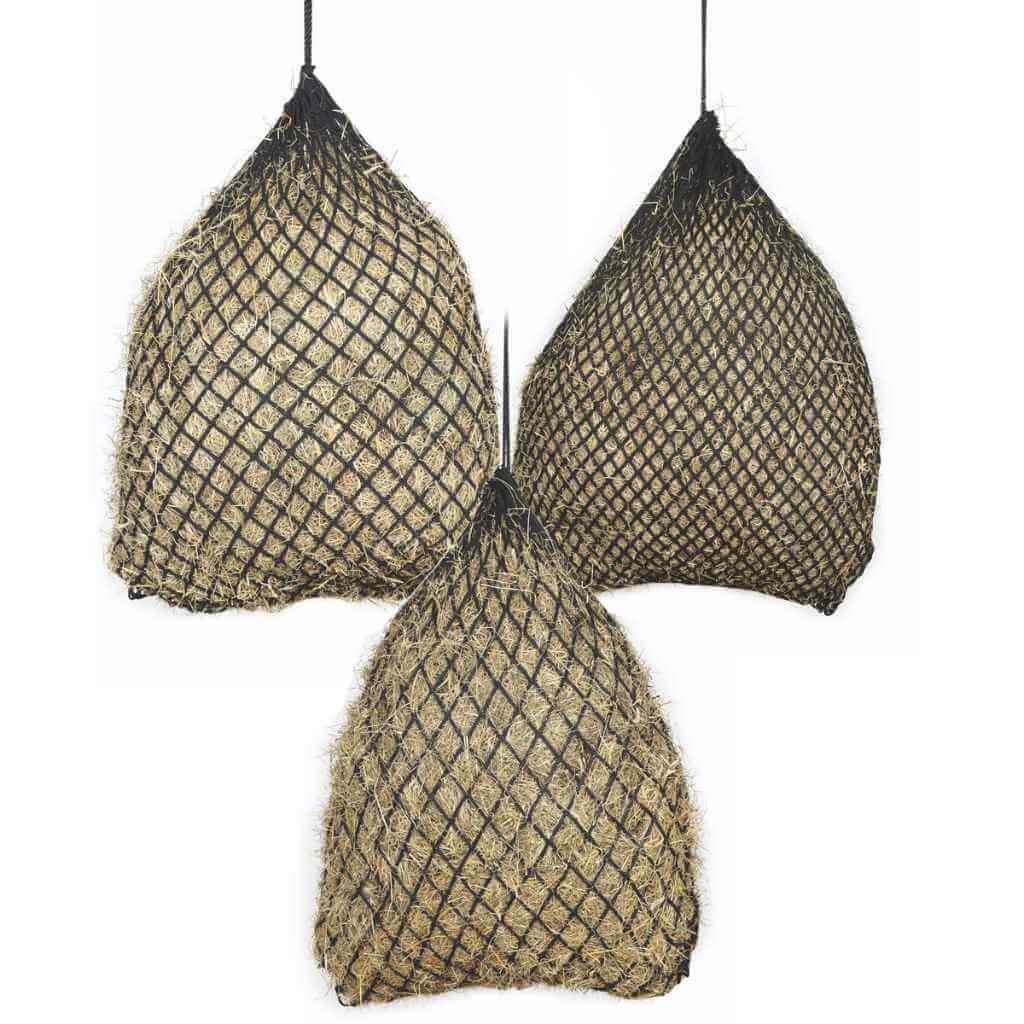
- Incorporate hay nets or slow feeders to mimic natural grazing patterns—this extends meal duration.
- Consider feeding alfalfa hay, which is high in calcium carbonate, before exercise or main grain meals to help buffer stomach acidity.
Optimize Feeding Practices
- Avoid prolonged periods without food. Split concentrates into smaller, more frequent meals and substitute grains with energy sources like flaxseed oil.
- Ensure your horse always has access to fresh water; restricted water can increase ulcer risk dramatically.
- Feed a small quantity of palatable hay about an hour before exercise to counteract acid splash inside the stomach.
Manage Exercise and Housing
- Limit strenuous exercise to less than 40 minutes daily at trot or faster speeds. During risky periods, opt for pasture rest or light work.
- Increase time spent in pasture or outdoor environments to reduce stress stemming from confinement.
- Reduce stress by providing companion horses or utilizing open-front stabling methods.
Reduce Stress Factors
Stress is a prominent factor in equine gastric ulcer formation. It can raise cortisol levels, exacerbating ulcer risk. Consider incorporating regular social activities, adjusting training schedules to be less intense, and using omeprazole during particularly stressful events, such as transportation, to mitigate these risks.
Treatment and Prophylactic Options
If your horse does develop ulcers, omeprazole is a go-to treatment, with doses of 4 mg/kg daily for 28 days healing 78-92% of squamous ulcers by suppressing acid production effectively. Prophylactic doses, typically around 1 mg/kg, are helpful in preventing recurrence, especially for horses in training.
Alongside omeprazole, buffers like calcium carbonate and magnesium oxide can offer short-term relief, although they should be paired with broader management changes to boost effectiveness. Consult with a veterinarian about supplements such as sea buckthorn or probiotics, as results can vary.
Long-Term Holistic Approach
Implementing these comprehensive measures is critical to sustaining a healthy stomach environment for your horse. Experts, including Dr. Ben Sykes, advocate for consistent forage access, generous turnout time, and reasonable workloads. These are your best allies against ulcer risks over other measures like supplements or quick fixes.
Horse owners should always keep an eye out for symptoms such as girthiness or a lack of appetite and be ready to adjust management strategies accordingly. Tailoring prevention methods to your horse's unique needs is key.
For a truly in-depth discussion on squamous gastric disease in horses, consider reviewing these resources: The Horse's comprehensive articles on gastric health or the detailed study on preventive strategies.