The Challenge of West Nile Virus in Horses
West Nile Virus (WNV) strikes again as a 5-year-old mare in Adams County, Indiana, tests positive, underscoring the peril this virus poses to unvaccinated equines. This alarming case prompts a vital discussion on preventive measures against WNV, focusing particularly on effective vaccination and mosquito control methodologies.
Understanding West Nile Virus Transmission
WNV is transmitted chiefly through mosquito bites, affecting both humans and horses. In horses, the virus can manifest through a spectrum of clinical signs, spanning from mild flu-like symptoms to severe neurological impairments such as muscle twitching and ataxia (loss of coordination). According to The Horse, mortality rates among affected equines can reach an alarming 30-40%, making it a serious concern for horse owners and veterinarians. Despite this, there is no specific cure for WNV, making supportive care and preventive strategies indispensable in managing this disease.
The Role of Vaccination in Prevention
Vaccination emerges as the cornerstone in preventing WNV. Annual boosters are recommended for horses already vaccinated to maintain immunity, while those in areas with extended mosquito seasons might require bi-annual boosters. For the unvaccinated or naïve horses, a two-dose initial vaccine series is essential, optimized with doses spaced three to six weeks apart. It's crucial to note that immunity takes several weeks to develop post-vaccination, highlighting the need for early immunization prior to the mosquito season’s peak. For further guidelines, The Horse provides additional insights on maintaining effective vaccination schedules.
Mosquito Control: A Vital Strategy
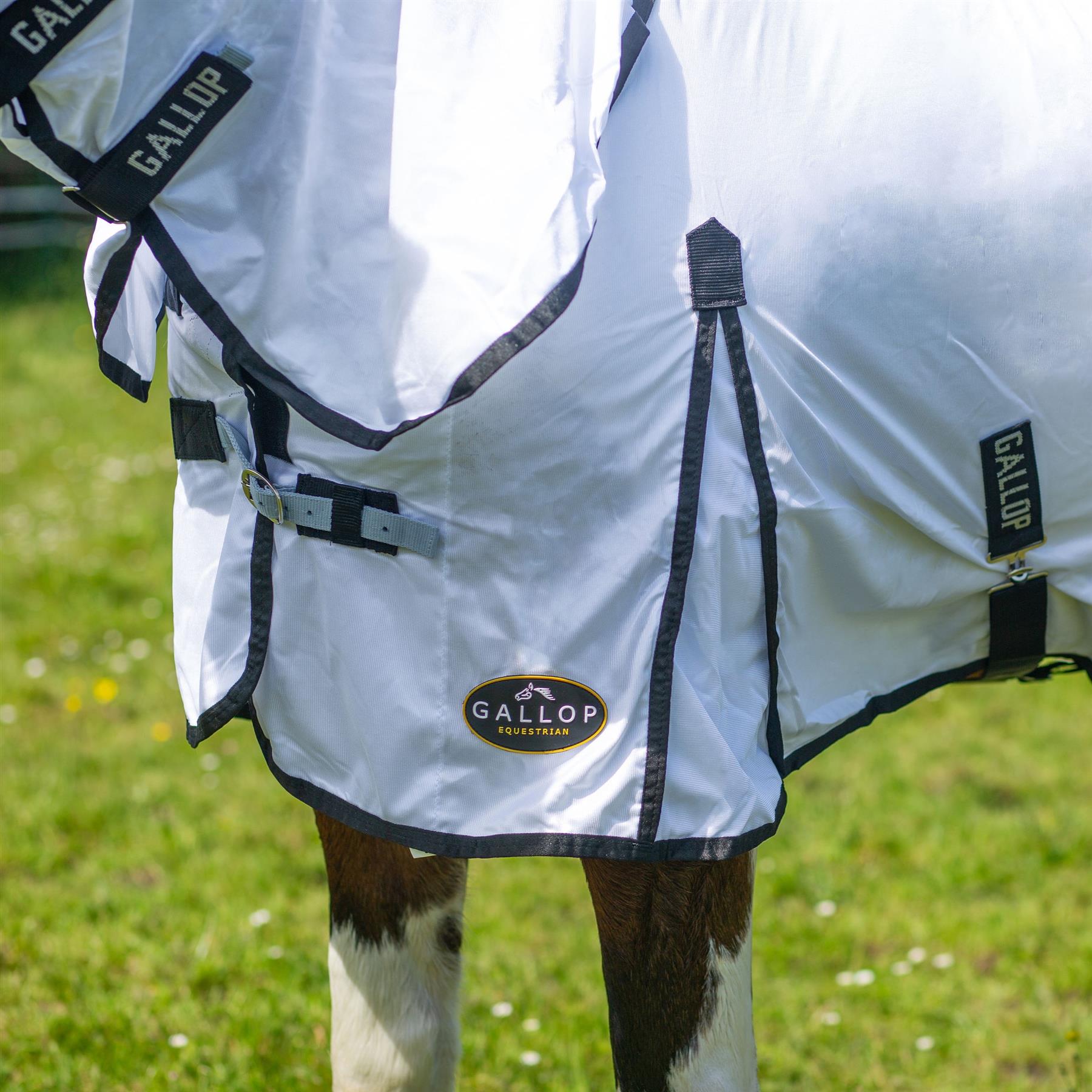
In conjunction with vaccination, controlling the mosquito population is pivotal in mitigating WNV risk. Mosquitoes breed in stagnant waters, so eliminating these sources is essential. Regularly refreshed water containers, sheltering horses during peak mosquito activity hours (dawn and dusk), and the use of approved mosquito repellents are effective strategies. Committing to these preventive measures can significantly diminish mosquito-related risks.
Community and Organizational Efforts
The case in Indiana reflects broader state-level concerns regarding WNV. The state has noted widespread mosquito activity, urging caution and collaborative community efforts to eliminate breeding grounds. Organizations like the Equine Disease Communication Center (EDCC) provide verified disease information crucial for timely responses to outbreaks. Collaborations with pharmaceutical companies, such as Boehringer Ingelheim, bolster these endeavors with ongoing vaccine development and management strategies.
Conclusion: A Call to Action
The detection of WNV in the Indiana mare serves as a stark reminder of the importance of sustained vigilance, effective vaccination programs, and comprehensive mosquito control practices. Equine owners, veterinarians, and the broader community must collaborate, employing proactive measures and quick medical interventions to safeguard horses from this potentially fatal virus. The journey toward greater equine health management is ongoing; each step taken in prevention is one towards a healthier and safer equine community.
This article sources information from The Horse, a reliable publication under Equine Network, LLC.