West Nile Virus: A Persistent Threat to Equine Health
On a crisp autumn day in October 2025, a Standardbred stallion from Green Lake County, Wisconsin, became the latest equine casualty of the West Nile Virus (WNV) outbreak. This unfortunate event serves as a stark reminder of the ongoing threat WNV poses to horses across the nation. The stallion, unvaccinated, demonstrated symptoms like left-hind limb stiffness and mild ataxia. Fortunately, he is currently recuperating, but his story underscores the critical role vaccination and mosquito control play in safeguarding our equine friends.
Understanding West Nile Virus
West Nile Virus is a mosquito-borne flavivirus that primarily targets birds but also affects horses and humans through mosquito bites. In equines, the clinical spectrum of WNV can range from mild depression and appetite loss to severe neurological disturbances. Often, signs include muscle tremors, facial paralysis, head tilt, limb weakness, and ataxia. Alarmingly, the mortality rate can reach 30-40% in horses displaying neurological symptoms, highlighting the seriousness of the infection.
Symptoms and Statistic Insights
Understanding the symptoms of WNV is crucial for early diagnosis and care. Horses typically present with a combination of mild flu-like symptoms, which can unexpectedly progress to severe neurological issues. Annually, the United States witnesses approximately 300 equine cases, with regular outbreaks signifying its endemic nature. Horse owners must remain vigilant, recognizing that supportive care is the only available treatment as there is no known cure for WNV.
The Importance of Vaccination
Prevention remains the cornerstone of managing WNV, with vaccination recommended by leading veterinary organizations. The American Association of Equine Practitioners (AAEP) advises that all horses receive core vaccinations, with boosters as required based on mosquito activity in their region. The stallion’s unvaccinated status in Wisconsin likely increased its vulnerability, serving as a cautionary tale for others.
Why Some Owners Hesitate
Despite the clear benefits, some horse owners still opt out of vaccinating due to misconceptions or cost concerns. However, considering the potential cost of treatment and the high mortality rate associated with WNV, vaccination is a wise and economically sound decision. Investing in preventive care can save not just money but the lives of cherished companions.
Mosquito Management: Reducing the Risk
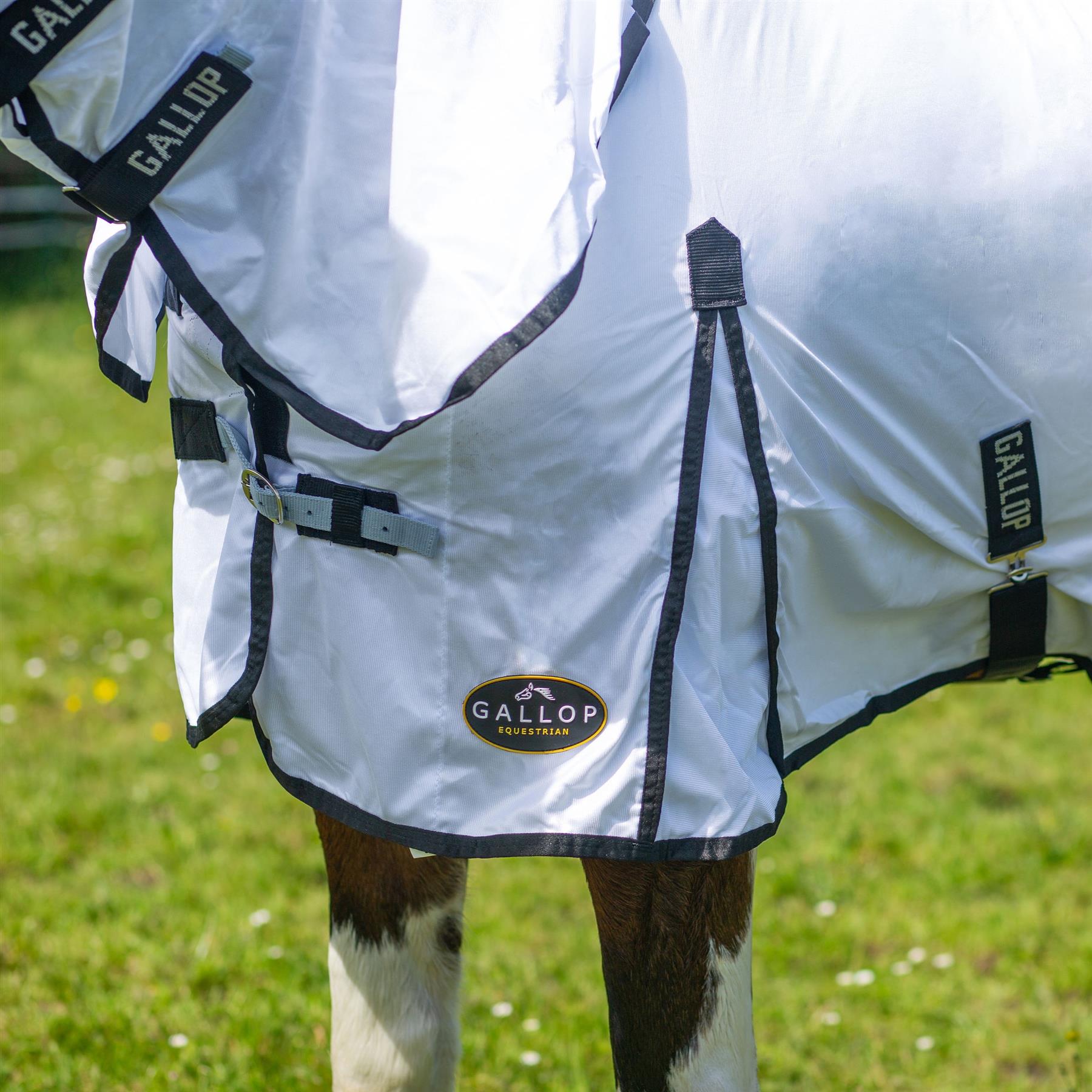
While vaccines are vital, they aren't a standalone solution. Mosquito control measures play an essential role in protecting horses. Owners should strive to eliminate stagnant water sources, where mosquitoes thrive, and apply effective repellents to minimize contact during peak activity periods. In regions like Wisconsin, it’s crucial to maintain these practices from mid-summer through the first frost.
Environmental Controls in Action
Practical steps can include everything from cleaning water troughs regularly to installing mosquito screens in barns. Although these measures require diligence and effort, they establish a frontline defense against WNV and other insect-borne illnesses.
Equine Disease Networks: Staying Informed
In the fight against WNV, knowledge is power. Organizations such as the Equine Disease Communication Center (EDCC) provide vital updates on disease outbreaks and developments. These groups play a pivotal role in keeping the equine community informed and promoting preventative measures. Responsible horse ownership involves staying engaged with these networks to ensure the best possible care.
Adopt a Proactive Approach
In the fast-paced information era, regular updates from trusted networks equip horse owners with the knowledge needed to take proactive steps in maintaining their horses’ health. By acting on alerts and advisories, owners can significantly reduce the risk of WNV and other diseases.
Whether your stallion is frolicking in the fields or competing professionally, the health advisories from these networks are crucial. A healthy horse is a happy horse, and that brings peace of mind to every owner.
The 2025 example of the Wisconsin stallion and cases like it reinforce the need for vigilance in equine health management. A comprehensive approach combining vaccination, mosquito control, and active information processing ensures that horses have the best chance to thrive in a world where WNV is an ever-present threat.
A hearty neigh of thanks to the scientific community and vigilant equine caretakers for ensuring our companions remain healthy and safe from predators as small as mosquitoes. By investing time and resources into prevention today, we forge a healthier tomorrow for our equine friends.
Adapted from "Wisconsin Stallion Tests Positive for WNV" on The Horse and related sources.