Understanding West Nile Virus in Horses: Prevention and Protection
In September 2025, an 8-year-old Arabian gelding in Carroll County, Maryland, was diagnosed with West Nile Virus (WNV). This case highlights the realities and risks of WNV in equines in the United States. Let's dive into the details of this disease and explore how equine owners can prevent such infections.
What is West Nile Virus?
Originally identified in Uganda, West Nile Virus is a mosquito-borne flavivirus, prevalent in birds, humans, and horses. Since its emergence in the U.S. in 1999, it has become endemic, causing thousands of cases every year. The virus primarily spreads through mosquito bites, leading to diverse symptomatic expressions in horses, from mild flu-like symptoms to severe neurological decline. Some horses might just feel under the weather, while others might stumble or even become paralyzed due to the virus's aggressive nature.
Clinical Signs: Catching It Early
Spotting WNV early on can be tricky, but it's crucial. Initial symptoms might appear as depression, low-grade fever, and anorexia. If it progresses, you might notice more alarming signs like muscle twitching, incoordination, or facial paralysis. In the most severe cases, horses might find themselves unable to stand. With symptoms varying so widely, it's always best to err on the side of caution and consult a vet if anything seems amiss.
Diagnosis and Treatment
The process of diagnosing WNV involves ruling out other neurological diseases and performing specialized blood tests. Among these tests, the IgM capture ELISA is popular for identifying recent infections. Unfortunately, there is no specific antiviral treatment for WNV. The best approach? Supportive care with anti-inflammatory medications and fluid therapy. It’s a situation where early detection by sharp-eyed owners is invaluable. Older horses or those severely affected tend to have a poorer prognosis, with fatality rates of 30% to 40% for those showing clinical signs.
Thankfully, the Maryland gelding's story shows that survival is possible, though outcomes can be unpredictable. With no guarantee, awareness and timely intervention are your best friends.
Prevention is Key
Vaccination: The Frontline Defense
Preventing WNV saves lives. Vaccination remains the primary prevention technique, recommended annually. In areas with prolonged mosquito seasons, even more frequent doses might be suggested. It's simple – a well-vaccinated horse is less likely to succumb to WNV, both in risk and disease severity. So, better line up those booster shots!
Mosquito Management: A Practical Approach
Beyond vaccinations, managing mosquito exposure is essential. Here’s a list to get you started:
- Dump standing water often; mosquitoes love them!
- Restrict outdoor exposure during the golden hours for these pesky biters – dawn and dusk.
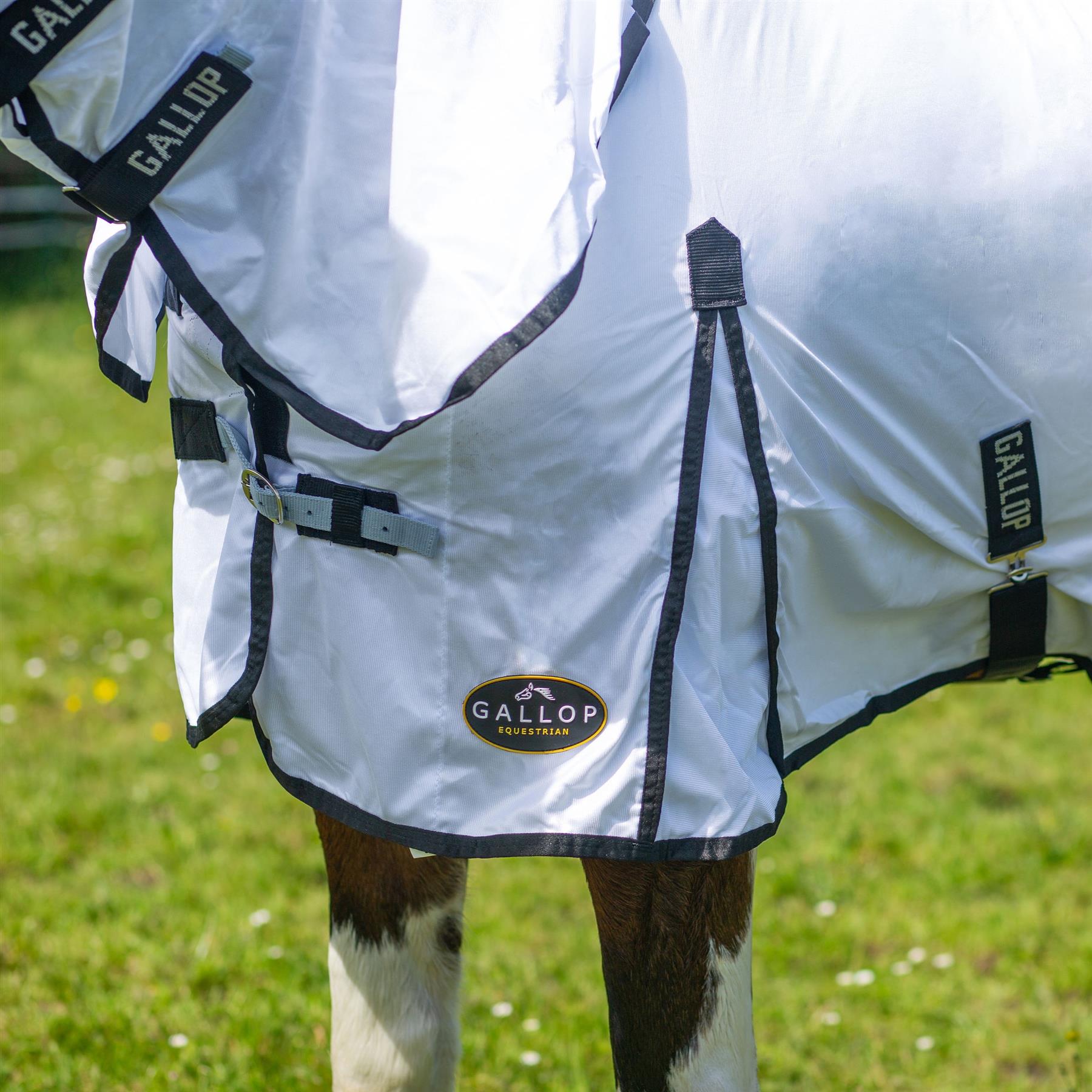
- Stock up on equine-approved mosquito repellents.
Combine these measures with vaccination, and you have a robust, multi-layered defense strategy against WNV.
The Role of Reliable Information
With all health matters, staying informed is crucial. Equine Disease Communication Center (EDCC) stands out as a valuable resource for the latest on equine diseases. Their timely alerts help equine owners stay on top of potential threats and provide guidance on the appropriate measures to take.
Conclusion: Stay Aware and Prepared
The recent Maryland case of WNV emphasizes the significance of vigilance, vaccination, and proactive mosquito management in the equine community. By adopting informed practices, horse owners can effectively safeguard their herds from this disease. Remember, in the world of horse care, a little humor doesn’t hurt, but a lot of preparation saves lives. And who knows, your horse might just nicker knowingly in appreciation!
For more comprehensive details, visit the Equine Disease Communication Center and the Center for Equine Health at UC Davis's website for the latest updates on WNV and other equine health topics.
References: