Introduction
News from Lake County, Oregon, serves as a potent reminder of the ongoing threat posed by the West Nile virus (WNV) to the equine community. An Oregon horse recently tested positive, raising alarms about this mosquito-borne disease's impact. The WNV, known for causing severe neurological symptoms in horses, presents a significant challenge in terms of prevention and treatment. This article aims to provide a comprehensive overview of WNV, emphasizing the importance of vaccinations and effective mosquito control measures.
Understanding West Nile Virus
West Nile virus is a mosquito-borne flavivirus commonly involving birds as primary hosts. Horses and humans become incidental hosts through bites from infected mosquitoes, such as Culex pipiens and Culex tarsalis. Infected horses may exhibit a range of symptoms, ranging from mild conditions like anorexia and depression to severe ones involving neurological distress. Neurological symptoms may include muscle twitches, altered mental states, and coordination loss or ataxia. Unfortunately, the absence of a direct cure for WNV highlights the importance of preventive measures.
Impact on Equine Health and the Agricultural Industry
The occurrence of WNV significantly impacts equine health, with mortality rates reported at 30-40%. This poses a considerable challenge to the agricultural industry, as infected horses experience reduced productivity and may incur significant veterinary expenses. The effect of WNV extends beyond mortality; the presence of the disease affects both the health of equine populations and the economy reliant on them.
Effectiveness of West Nile Virus Vaccinations
Vaccinations remain the foremost defense against WNV for horses. Their effectiveness has been well-documented, and horse owners are encouraged to adopt routine vaccination practices, particularly in regions prone to high mosquito activity. Horses that have previously received a vaccine should obtain annual booster shots. In areas with prolonged mosquito seasons, bi-annual shots might be warranted to enhance immune responses. Initial vaccination for unvaccinated horses involves a series of shots given within a three to six-week window.
Mosquito Control Measures
Mosquito control plays a vital role in reducing WNV transmission. Consider implementing these key strategies:
- Eliminate Stagnant Water Sources: Mosquitoes breed in stagnant water; removing these breeding grounds is instrumental in reducing their population.
- Maintain Clean Water Supplies: Regular cleaning of water supplies prevents mosquitoes from laying eggs.
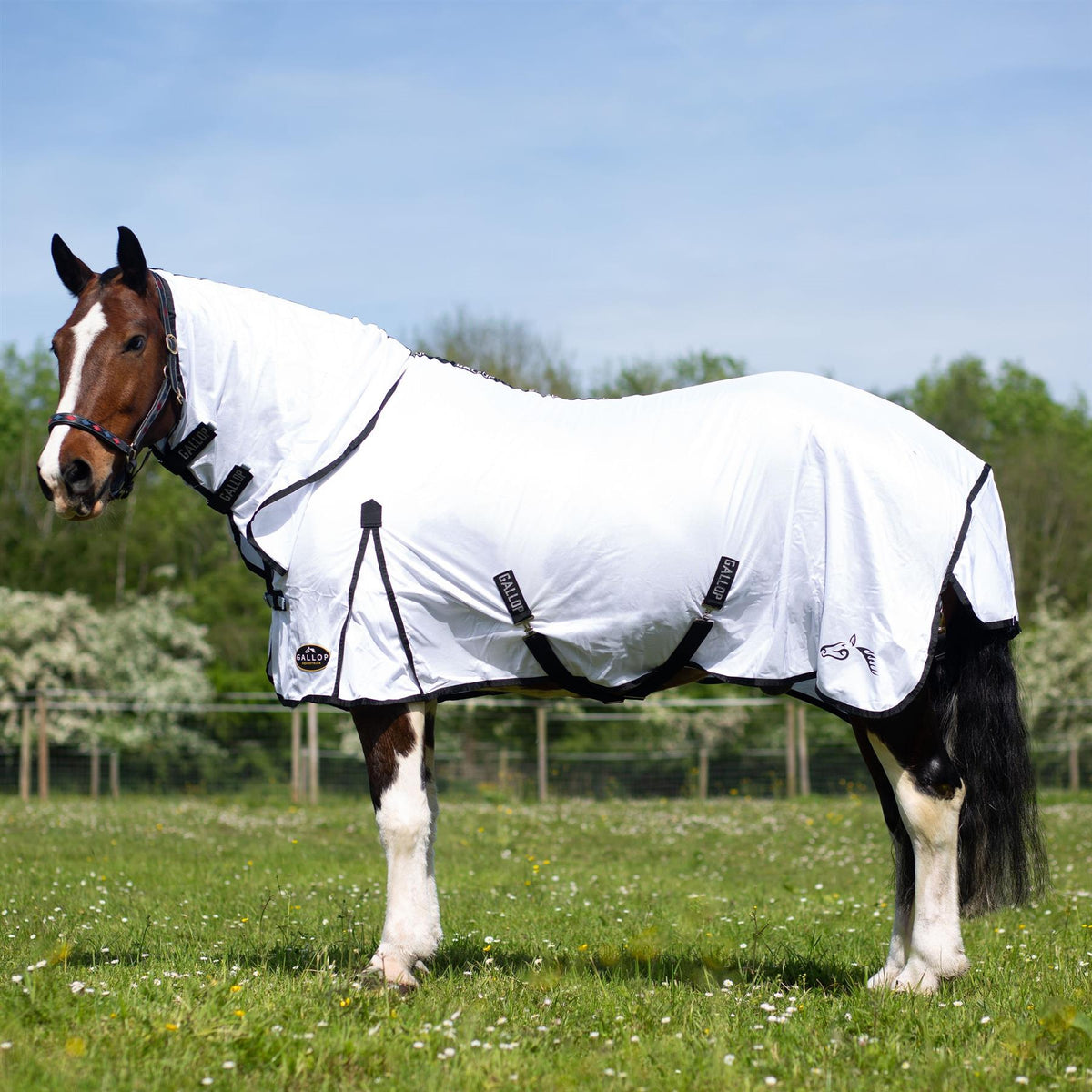
- Restrict Outdoor Exposure: Limiting horse exposure to peak mosquito activity times (dawn and dusk) significantly decreases the risk of bites.
- Utilize Equine-Approved Mosquito Repellents: Applying EPA-registered mosquito repellents offers additional protection.
Economic Impacts and Comparative Mortality Rates
The economic ramifications of WNV outbreaks can be staggering, affecting horse productivity and incurring significant veterinary costs. Regional mortality rates vary due to variables like climate, mosquito prevalence, and vaccination coverage. In the United States, WNV has become endemic, with an average of 300 annual cases. Reducing these numbers relies heavily on adopting effective preventive measures.
Conclusion
The recent case of a horse contracting WNV in Oregon accentuates the need for continual vigilance and proactive engagement within the equine community. Through awareness of the disease, commitment to vaccinations, and implementation of robust mosquito control strategies, horse owners can protect their animals and mitigate disease transmission. Informed actions, backed by industry support, are crucial for reducing the incidence and impact of this infectious disease, ensuring healthier equine populations.
Source: TheHorse.com