Understanding West Nile Virus in Horses: A Case Study in Colorado
A recent case in Weld County, Colorado has spotlighted the threat posed by the West Nile virus (WNV) to equine health. Here, a 10-year-old Friesian gelding tested positive for the virus after exhibiting neurological symptoms such as ataxia and muscle fasciculations. This incident serves as a crucial reminder of the importance of vaccination and mosquito control in protecting horses from this potentially lethal disease.
What is West Nile Virus?
West Nile virus is a mosquito-borne disease that primarily circulates between wild birds and mosquitoes. However, it can also infect horses and humans, making them incidental dead-end hosts. In horses, WNV infections range from asymptomatic cases to severe neurological manifestations, including weakness, stumbling, and muscle twitching. Advanced cases could result in paralysis or even necessitate euthanasia if recovery seems unlikely. Notably, the mortality rate is concerningly high, ranging from 30% to 40% in affected horses.
Prevention Through Vaccination
Given the absence of a cure for West Nile virus in horses, preventative strategies center on vaccination and mosquito control. Annual booster shots are recommended for horses previously vaccinated, with some experts advising biannual boosters in areas prone to extended mosquito seasons. For unvaccinated horses, a primary vaccination protocol involving two doses, spaced three to six weeks apart, is essential in building immunity.
Vaccination remains highly effective against WNV, significantly reducing disease incidence and severity. Therefore, it's crucial for horse owners to adhere to vaccination schedules as outlined by equine health authorities.
Essential Mosquito Control Measures
Mosquito control is pivotal in mitigating the risk of WNV. Horse owners can take several steps to minimize exposure:
- Regularly remove or empty standing water sources, such as water troughs, at least every 4 to 5 days.
- Eliminate stagnant water sources around the property.
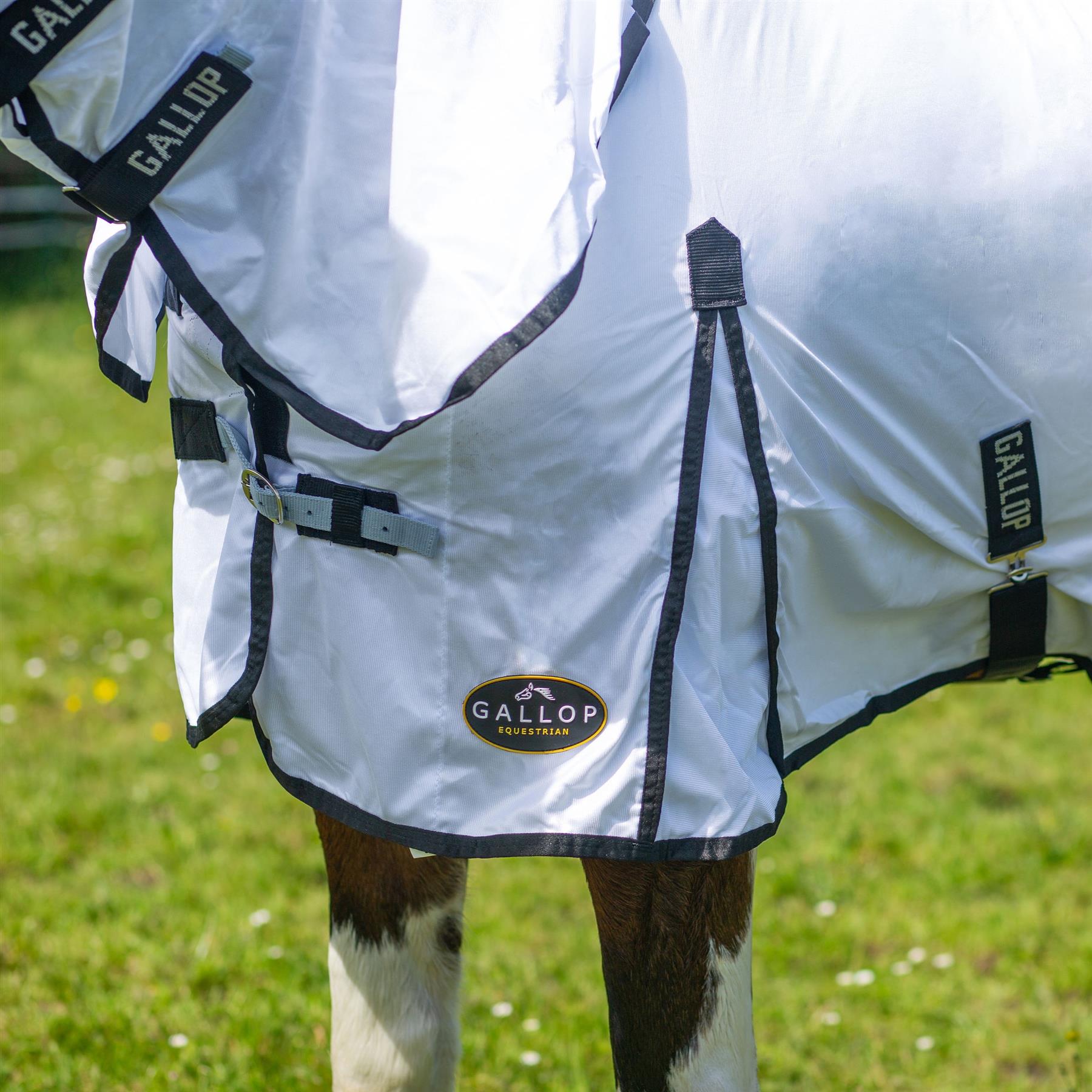
- Use approved equine insect repellents to shield horses from mosquitoes.
- Restrict outdoor activity during peak mosquito feeding times, typically at dawn and dusk.
- As a biological control, consider using Bacillus thuringiensis israelensis (Bti) in bodies of water to target mosquito larvae.
Through these steps, horse owners can significantly lower the likelihood of their horses contracting WNV, safeguarding their health and well-being.
Learning from Recent Outbreaks
The outbreak in Weld County underscores the persistent threat WNV poses to equine populations. Colorado has reported multiple equine WNV cases, some resulting in fatalities, during the 2025 outbreak. These incidents highlight the ongoing need for vigilance among horse owners and emphasize the importance of compliance with vaccination and mosquito management practices.
Real-time data from equine health networks and organizations provides critical insights and guidance for managing disease outbreaks and enhancing preventive measures.
The Real-Life Impact of WNV
Reflecting on the Colorado Friesian case brings into focus the very real dangers of West Nile virus for horses. It serves as a vivid reminder of the stakes involved in protecting these animals from severe health threats. While prevention through vaccination and diligent mosquito control may seem like routine tasks, they offer the best defense against a disease that remains a considerable threat to equine health.
Ultimately, a collaborative effort between horse owners, veterinarians, and equine health organizations can play a pivotal role in minimizing the risk of WNV outbreaks. By arming themselves with knowledge, horse owners can actively contribute to the well-being and longevity of their equines.
For further information and guidelines on managing WNV risks in horses, consult reputable resources like the Equine Disease Communication Center (EDCC) and partnerships within the equine health community.
Stay informed, stay proactive, and keep your horses safe from West Nile virus.