West Nile Virus in Equines: A Reminder of Vigilance
In the serene landscapes of Ontario's Regional Municipality of Waterloo, an unwelcome visitor has once again made its presence felt. A 6-year-old mare tested positive for West Nile Virus (WNV), marking the fourth equine case in the region this year. This situation underscores the continuous need for vigilance and proactive measures to protect our equine friends from this potentially deadly virus.
The Threat of West Nile Virus
West Nile Virus is primarily spread through mosquito bites, making it a formidable adversary for horse owners. Horses infected with WNV can exhibit a variety of symptoms, such as anorexia, fever, muscle twitching, and heightened sensitivity to touch and sound. In severe cases, neurological signs like ataxia—a loss of coordination—also occur. The unfortunate reality is that WNV carries a high mortality rate among horses, although early detection and supportive care can sometimes pave the way to recovery, as seen in this Ontario mare's case.
Vaccination: The Best Defense
The most effective defensive action against WNV is vaccination. Annual boosters are critical, with regions experiencing prolonged mosquito activity recommending more frequent vaccinations. Effective vaccination reduces the risk of infection and helps to mitigate the severe impacts of the virus, ensuring a higher survival rate for horses. However, even the best-prescribed vaccines require support from secondary preventive measures to yield optimal results.
Mosquito Management Matters
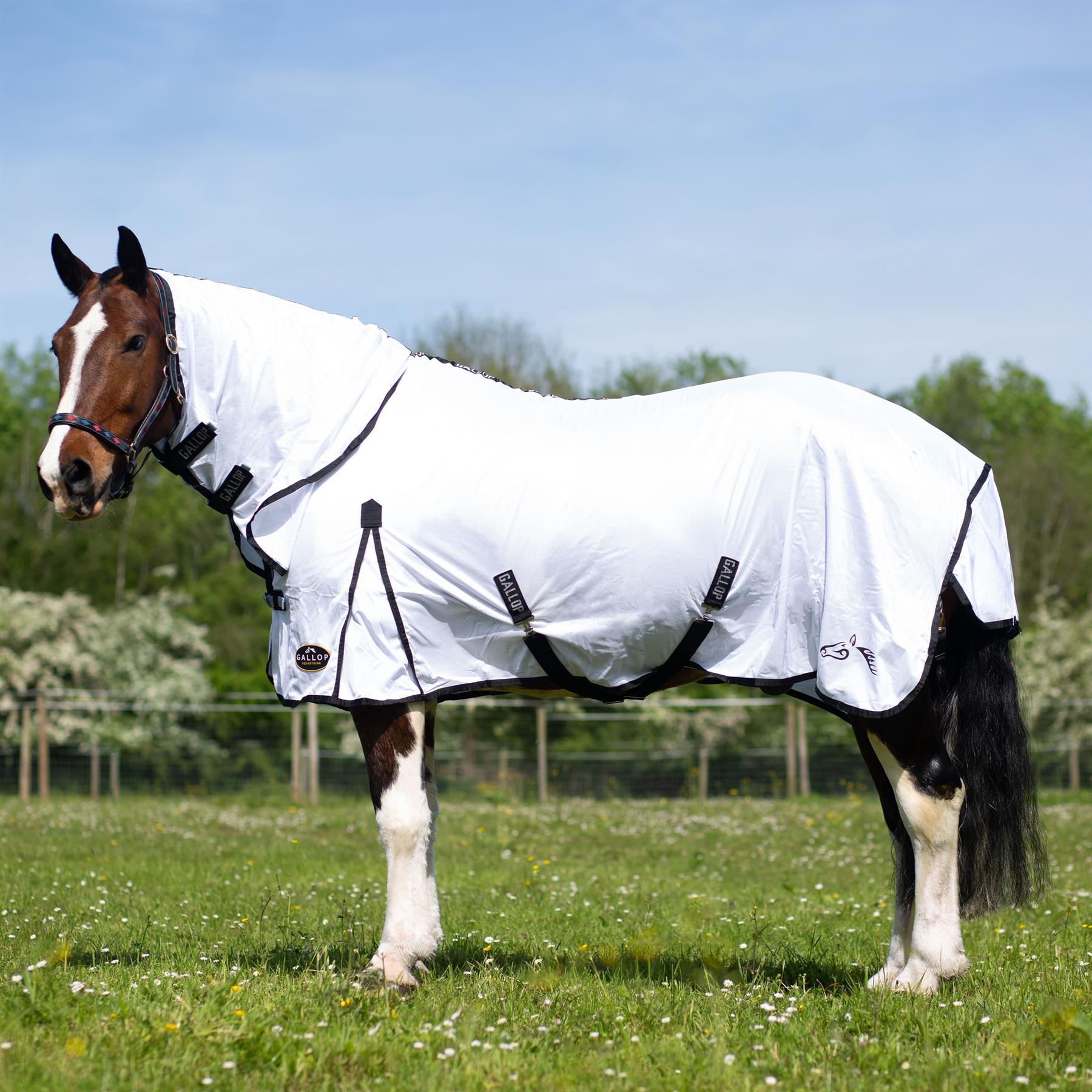
Given that WNV is primarily transmitted through mosquitoes, horse owners must implement aggressive mosquito control strategies. This involves eliminating standing water sources where mosquitoes breed, housing horses in screened or indoor areas during peak mosquito activity, and employing approved mosquito repellents. These actions collectively form a solid barrier against WNV, greatly reducing the likelihood of infection.
The Role of Information and Awareness
Organizations like the Equine Disease Communication Center (EDCC) play a pivotal role in managing WNV among horses. The EDCC, with its Health Watch initiative, delivers open-access reports and verified disease information to the equine community. Their timely dissemination of information equips horse owners and veterinarians with the necessary knowledge to take swift precautionary actions, ultimately minimizing the potential spread and impact of WNV in equine populations.
Future Directions: Research and Development
Globally, efforts are underway to develop better vaccination protocols and mosquito control measures. Research is concentrating on comparative studies between WNV and other equine neurological diseases to enhance understanding. Moreover, documenting recovery case studies can help decipher effective treatment methodologies and clinical outcomes. Advanced research in vaccine development holds promise for even more effective prevention strategies in the years to come.
The case in Ontario is a stark reminder of the importance of proactive vaccination programs and comprehensive mosquito management practices. By staying informed and prepared, we can significantly reduce the risks posed by West Nile Virus to our equine companions, ensuring their health and well-being.
For more information, please visit [The Horse](https://thehorse.com/1138945/2-equine-wnv-cases-confirmed-in-ontario/).