Understanding the West Nile Virus Threat to Equine Health
The news of a Paso Fino stallion in Marion County, Florida, testing positive for West Nile Virus (WNV) serves as a poignant reminder of the vulnerabilities faced by horses due to mosquito-borne diseases. This incident emphasizes the importance of vaccination and effective mosquito control to guard against such threats to equine health.
What Happened in Marion County?
The unfortunate case involved a 20-year-old unvaccinated stallion that exhibited signs of WNV such as muscle twitching, incoordination, and hind limb weakness. These symptoms began around September 21, highlighting how quickly the virus can spread unnoticed if preventive measures aren't in place.
West Nile Virus: An Overview
West Nile Virus, primarily transmitted through bites from infected mosquitoes, presents a formidable health risk to horses. Not every infected horse shows clinical signs; however, those that do may experience a wide range of issues, from depression and anorexia to severe neurological symptoms such as ataxia and muscle fasciculations. The mortality rate in horses can be alarmingly high, reaching up to 40% for symptomatic cases.
Symptoms: What to Watch For
Typical symptoms include:
- Apprehension and depression
- Muscle and skin twitching
- Coordination issues leading to propulsive walking
- Weakness in hind limbs
- In severe cases, complete paralysis or inability to stand
Remarkably, while there is no direct cure for WNV, supportive care can foster recovery. This underlines the importance of recognizing and addressing the symptoms early on.
Prevention through Vaccination
Vaccination is a leading preventive measure against WNV in horses. Ensuring that horses receive their annual booster shots can significantly reduce the risk of infection. For optimal protection, experts suggest two boosters—one in the spring and another in the fall, especially in areas like Florida, where mosquito activity persists for longer durations.
No Horse Left Unvaccinated
Unvaccinated horses should undergo a two-shot series over three to six weeks to build resistance against WNV. It's a small price to pay for the health and safety of our equine friends, given the serious nature of the virus.
Managing Mosquitoes: The Best Line of Defense
Beyond vaccination, reducing mosquito exposure is paramount. Several methods can help mitigate the risk of WNV:
- Eliminate standing water: Mosquitoes love stagnant water. Regularly clean and replace water in buckets and troughs.
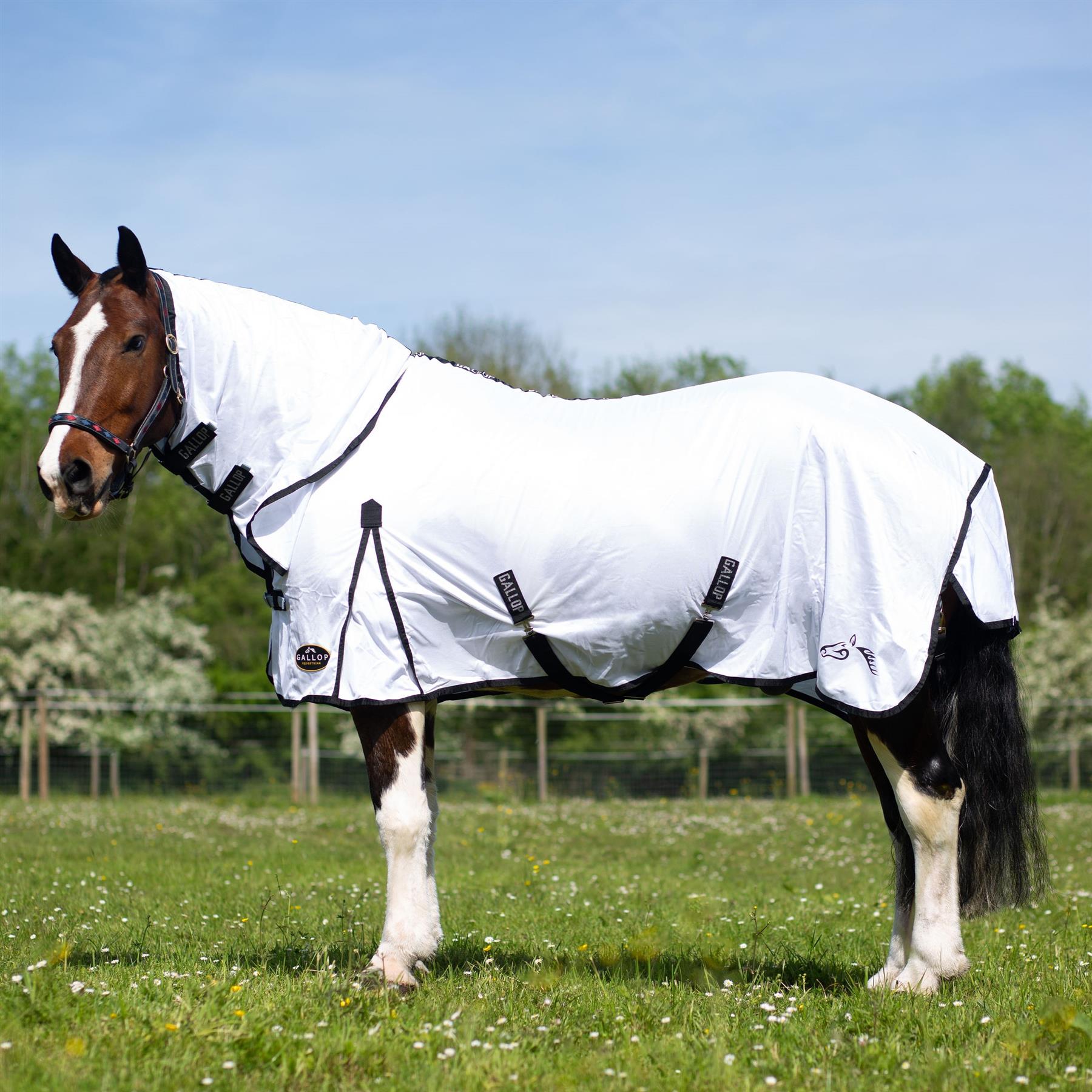
- Practice good stable hygiene: Fix screens to prevent mosquito entry into barns and use approved repellents.
- Time management: Keep horses indoors during peak mosquito hours, typically early mornings and late evenings.
- Biological controls: Introduce fish or mosquito "dunks" in water sources to naturally reduce larval populations.
Information and Support through EDCC
The Equine Disease Communication Center (EDCC) provides essential information on disease outbreaks like WNV, helping horse owners stay updated and informed. The EDCC Health Watch program is an invaluable resource, offering guidance on preventing and managing equine infectious diseases. Staying informed via such trusted platforms is vital in making educated decisions for equine well-being.
Conclusion: Vigilance is Key
The Paso Fino stallion's case is a stark wake-up call about the persistent threat of WNV and underscores the importance of precautionary measures. Vaccination and mosquito control are not just options but necessities to ensure our horses remain safe and sound. As the saying goes, "Prevention is better than cure," especially when dealing with a virus as formidable as West Nile. Staying proactive, informed, and vigilant remains our best strategy against the spread of such infectious diseases.
For more detailed information on equine diseases, visit the The Horse and consider exploring resources provided by the Equine Disease Communication Center.