The Prevalence of West Nile Virus in Horses: Key Facts and Preventive Measures
The emergence of West Nile Virus (WNV) in equines is a substantial concern in the horse-owning community. An unfortunate case involving a 6-year-old unvaccinated Percheron gelding in Highland County, Ohio, lays bare the risks associated with this viral infection. This incident underscores the critical necessity for vaccination and effective mosquito control to safeguard equine health.
Understanding the Impact of West Nile Virus
West Nile Virus is primarily transmitted through mosquito bites, and horses are exceptionally susceptible to this infection. The manifestations of WNV in horses can range from mild symptoms such as fever and anorexia to severe neurological impairments like ataxia, paresis, or even death. It's a scientific fact that mortality rates among affected horses can soar between 30% and 40%, which, without a specific cure, emphasizes the importance of supportive veterinary care.
Vaccination: A Vital Defense Against WNV
With the potential severity of WNV, vaccination emerges as the most effective preventive measure. Horses should receive an initial two-dose vaccine series if they are unvaccinated, according to experts like those at the Equine Disease Communication Center (EDCC). Annual booster shots are necessary, although in areas with extended mosquito seasons, biannual boosters might be recommended. Some vaccinated horses can still be at risk if booster doses lapse, as seen in other reported cases in Ohio.
The Crucial Role of Mosquito Control
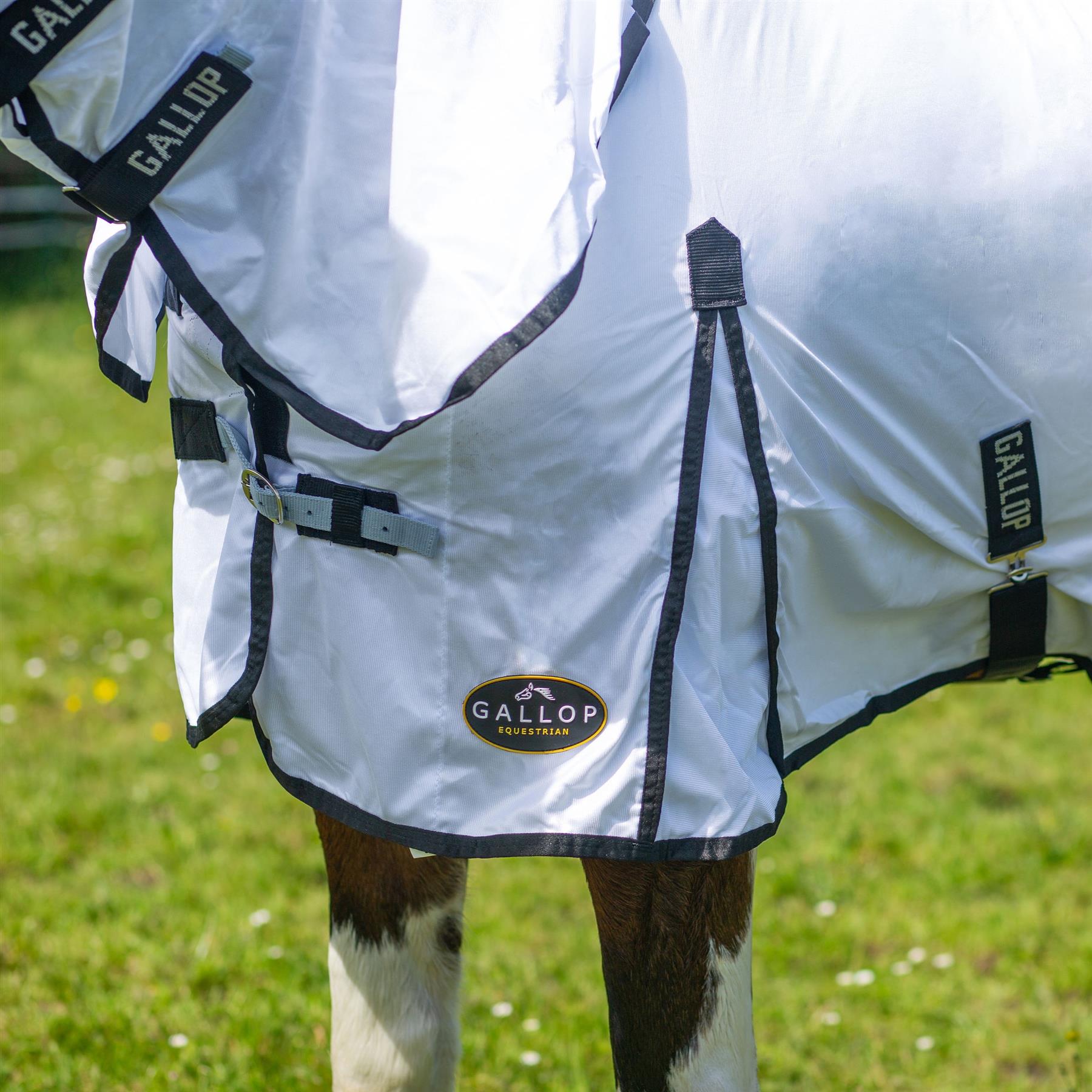
Aside from vaccination, controlling mosquito exposure forms another pillar of WNV prevention. Effective strategies include eliminating standing water (mosquito breeding sites), regularly cleaning water sources, using fly sprays and sheets, and housing horses indoors during periods of peak mosquito activity. A comprehensive approach combining both vaccination and mosquito control strategies drastically diminishes the chances of infection.
Lessons from Recent Cases and Research Avenues
The tragic case of the Ohio gelding serves as a stark reminder of the risks unvaccinated horses face. As WNV continues to surface in different regions, exploring further research areas is paramount. Potential studies may include evaluating the efficacy of current WNV vaccines, tweaking booster schedules, assessing mosquito control measures in varied equestrian settings, and scrutinizing regional WNV trends. Furthermore, comparing clinical outcomes between vaccinated and unvaccinated horses can provide insights into the benefits of prevention.
Resources and Continuing Education
Equine caretakers must remain informed about the latest WNV trends and preventive practices. Reputable resources, such as TheHorse.com and the EDCC, offer valuable information on vaccination guidelines and ongoing research. Significantly, understanding the EDCC's role in disease communication can help optimize best practices for comprehensive equine health management.
Conclusion: A Proactive Approach to Equine Health
Ultimately, the benignity of West Nile Virus cautions the necessity of vigilant equine health practices. Through a blend of vaccination efforts, robust mosquito control strategies, and continual learning and adaptation, horse owners and veterinarians can minimize the potentially devastating impact of WNV. Horse enthusiasts and the equestrian community as a whole must stay proactive, uniting commitment and education to protect our equine companions from this formidable foe.
Source: TheHorse.com, Equine Disease Communication Center