Understanding West Nile Virus in Horses: Prevention and Challenges
Introduction
West Nile Virus (WNV) remains an enduring challenge for horse owners and veterinarians alike, especially in regions where mosquitoes are as ubiquitous as the occasional summer rain. While not quite as entertaining as watching your gelding practice ballet in a field, understanding the intricacies of WNV is crucial. Recently, yet another case in Ontario has shone a light on this persistent viral issue, emphasizing the necessity of preventative strategies. This article dissects the recent Ontario case, explores detailed WNV symptoms, and discusses prevention methods that could save your horse's life—and maybe your aspirin budget.
The Ontario Incident: A Cause for Concern
The recent case from October 10 in the District of Thunder Bay, Ontario, involves an unvaccinated gelding that tested positive for West Nile Virus. Ninth on the confirmed case list of the year, this equine was not just jittery from skipping breakfast. It displayed telltale signs of WNV, including a low-grade fever, muscle spasms, and ataxia—a fancy term for uncoordinated movements that brought about more than just a stallion-side stumble. Thankfully, aided by a vet and some patient care, this horse pulled through, recovering without a permanent starring role in the "Zombie Horse Chronicles."
Deciphering WNV Symptoms and Spread
West Nile Virus in horses is primarily transmitted through mosquito bites, polished off with a tiny mosquito cackle. Symptoms are usually broad and dramatic enough to be mistaken for Oscar performances. You might spot mild anorexia, depression (don't hop into a therapy session just yet), muscle fasciculations, and hypersensitivity akin to a Victorian damsel startled by a loud noise. Neurological symptoms such as drowsiness and ataxia also make their unwelcome appearance. But let's not confuse WNV with the result of an overzealous apple cider binge.
WNV Mortality and Recovery Rates
Unfortunately, the sting of a WNV-positive diagnosis isn't just emotional. Mortality rates can range between 30-40%. Yet, hope beams through the gloom—a beacon reminiscent of your trusty barn lantern. Many horses do recover with supportive care, boasting a statistic any proud horse parent would cling to: a survival rate of around 57%, where 93% of survivors rebound from neurological symptoms, walking as if they're promoting a new equestrian step-count initiative within four to six weeks post-discharge.
Prevention: Vaccine, Vigilance, and Vanishing Mosquitoes
Prevention is the knight in shining armor for WNV management. Vaccination tops the list, akin to collecting 'get out of jail free' cards before entering mosquito-plagued areas. Annual boosters are advised, with bi-annual doses in particularly swampy zones. Stuck with an unvaccinated horse? A two-shot series might just place you in safer pastures.
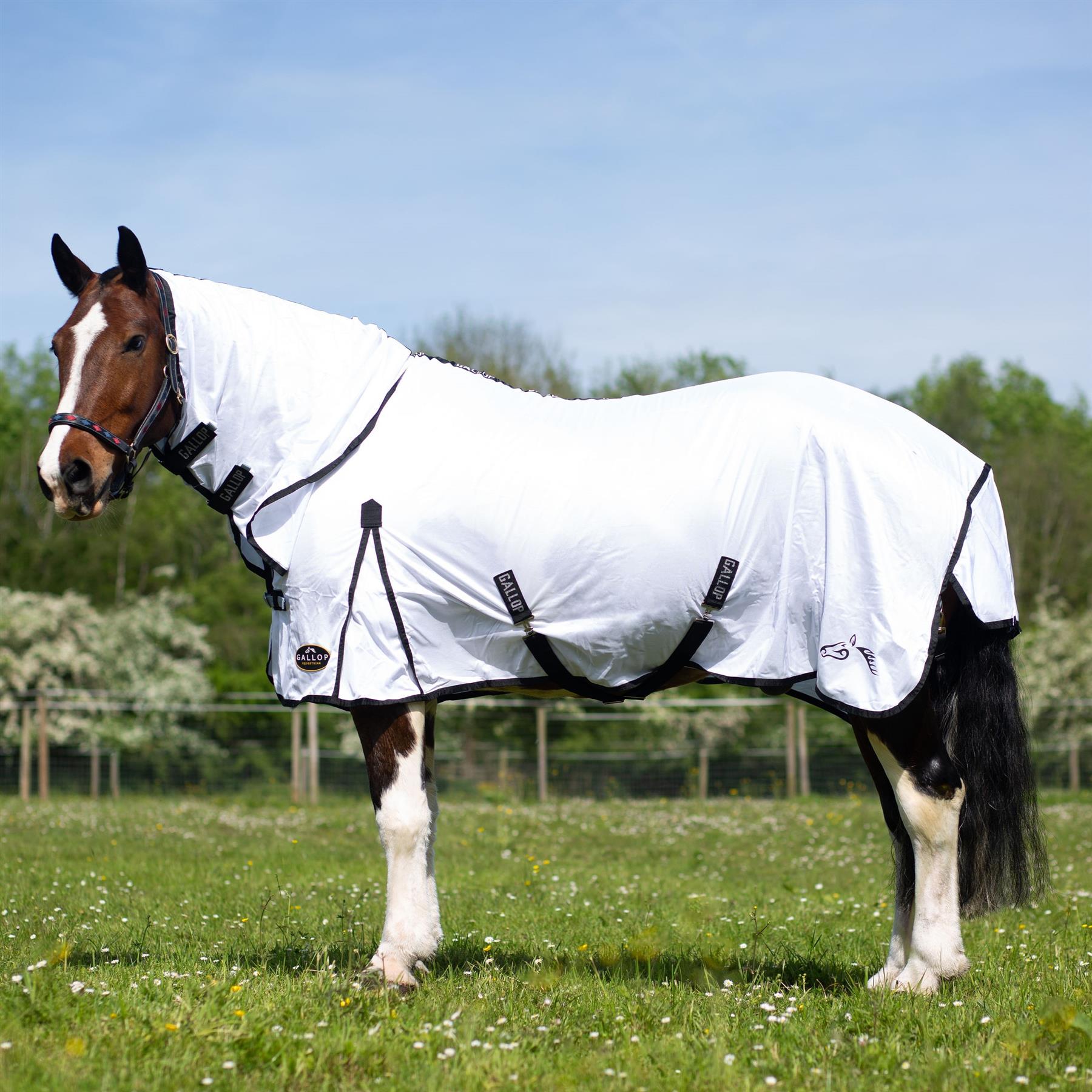
In addition to vaccinations, reducing mosquito hangouts is your duty. Picture mosquitoes at picnic spots, and act swiftly: eliminate stagnant water. Clean and refill water sources regularly. Establish 'no-fly zones' during peak mosquito hours and apply approved repellents while contemplating your entry into the world's stinkiest perfume game.
Exploring Future Research Directions
The persistence of WNV has spurred several fascinating fields for further exploration:
- Efficacy of WNV Vaccines: Itching for smarter strategies? Research focused on evolving vaccine effectiveness could play a crucial role in reducing WNV incidence.
- Epidemiological Updates: Regular surveillance and data sharing are needed to understand the patterns and scope of WNV spread, like a mathematician tracking a particularly tricky calculus curve.
- Beyond WNV: Exploring other mosquito-borne diseases can enhance understanding and broaden control measures across the board.
- Comparative Analysis: Juxtaposing WNV with other mosquito-borne illnesses spurs innovative preventive approaches that could potentially double as plotlines for a sci-fi series.
- Veterinary Advances: Improved protocols can enhance survival, transforming the narrative from disaster movie to a feel-good veterinary flick.
- Mosquito Management: Effective strategies for mosquito control present an opportunity to tackle these pesky vectors, preventing them from crashing the equine party.
Conclusion
The tale of the Ontario gelding underscores a valuable lesson in vigilance. West Nile Virus continues to fluster equine populations, but education, prevention, and a dash of research-driven optimism pave the way for a healthier horse community. By addressing symptoms and preventive measures, and understanding the endemic malady that is WNV, owners and veterinarians unite in a dance far more coordinated than any WNV-induced ataxia could mock. In this quest for equine wellbeing, knowledge isn’t just power; it’s the core of a hearty, collective neigh to WNV.