Protecting Your Horses From Eastern Equine Encephalitis Lessons From A Tragic Indiana Case
Tragic Case of EEE in Indiana: A Wake-Up Call for Horse Owners
The recent episode involving a 6-year-old Standardbred gelding in LaGrange County, Indiana, thrusts into light a significant concern for horse owners: the deadly threat posed by Eastern Equine Encephalitis (EEE). The horse, unvaccinated, succumbed to the disease after exhibiting symptoms such as fever and recumbency. This tragic incident, occurring between September 10 and 16, 2023, underscores the **importance of vaccinations** and mosquito control measures in preventing such diseases in horses.
Understanding EEE: A Lethal Mosquito-Borne Illness
Eastern Equine Encephalitis, often abbreviated as EEE, demands attention due to its severe consequences. As a mosquito-borne viral disease, it boasts a notorious reputation for its **high mortality rate** among horses and humans alike. The virus is native to North America and cycles between wild birds and mosquitoes. Specific mosquito species, such as *Culiseta melanura*, primarily transmit this virus to horses and humans. However, infected horses do not further spread the virus; they are considered "dead-end hosts".
Mosquito Control: A Crucial Defense Strategy
The key to controlling EEE lies in effective **mosquito management**. With mosquitoes acting as the primary vectors, eliminating their breeding sites becomes a pivotal step. Critical practices include removing any standing water around stables since it serves as mosquito breeding grounds. Additionally, the use of EPA-approved insect repellents for horses and stabling solutions that are mosquito-proof can significantly reduce risks.
The lesson here is clear: **proactive environmental management** is indispensable. Horse owners in EEE-prone areas should cultivate an environment that discourages mosquito habitation to safeguard their equine companions.
Vaccination: An Indispensable Shield
While mosquito control aids in reducing exposure, vaccination remains a horse's best defense against EEE. Vaccines are **readily available**, and their administration is crucial, especially where the virus is prevalent. Vaccination not only improves odds of survival but also reduces potential outbreaks, emphasizing its role as a cornerstone of modern equine health care. EEE vaccination, with its proven efficacy, provides horse owners peace of mind when facing a potential epidemic in vulnerable areas.
Additional Protective Measures
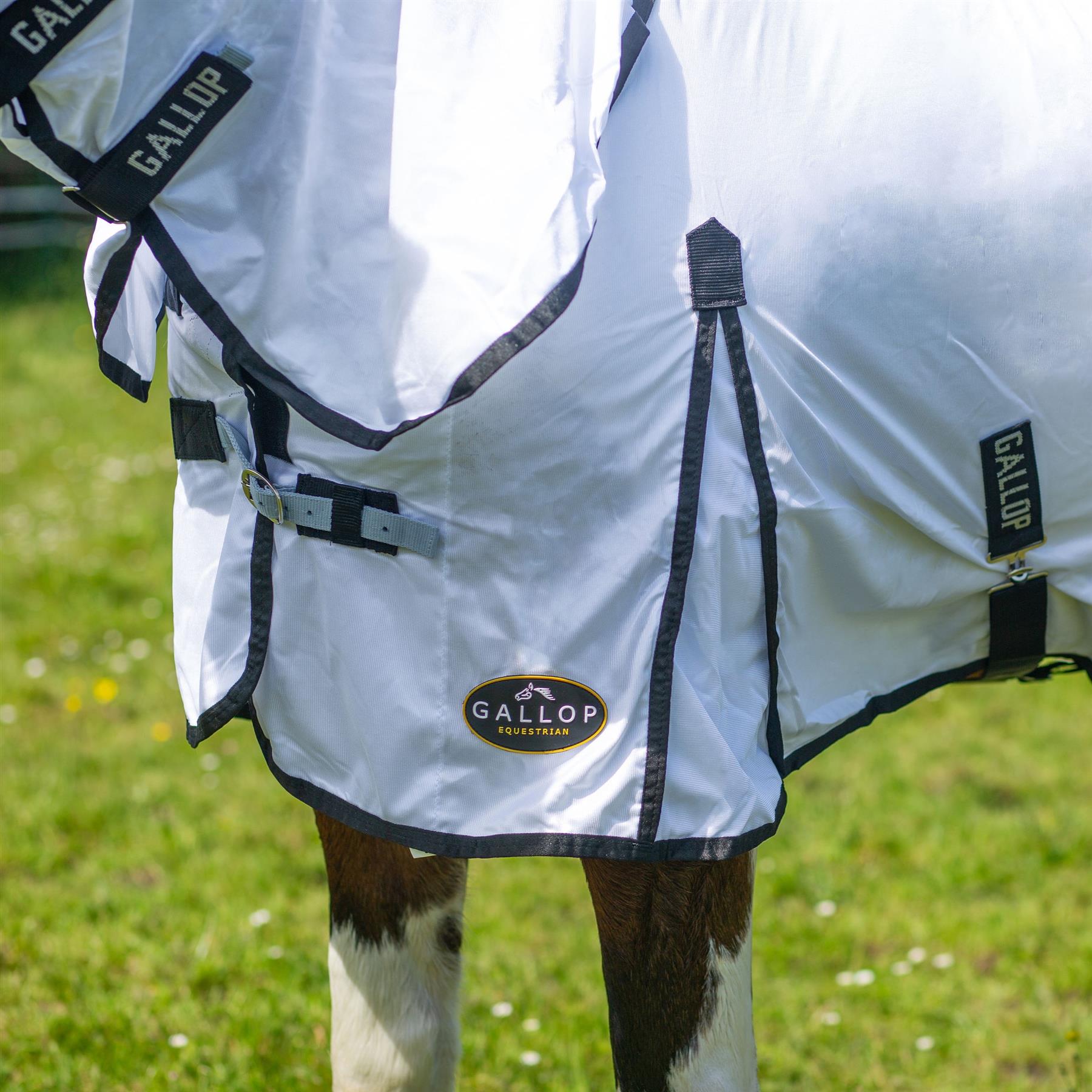
Beyond the conventional methods of vaccination and mosquito control, implementing additional protective measures contributes to an overall reduction in EEE risk. Ensuring that horse dwellings are equipped with screens to keep out mosquitoes and avoiding taking horses to mosquito-infested areas during peak mosquito hours are strategies to consider. Moreover, covering horses with blankets or using fly sheets imbued with repellent can be effective deterrents against bites.
Prevention: More Important Than Ever
The tragic fate of the Indiana gelding serves as a **stark reminder** of the lurking danger of EEE. In an era where preventative strategies and tools are readily accessible, complacency is not an option. Horse owners are encouraged to maintain up-to-date vaccination protocols and practice stringent mosquito control to ensure the wellbeing of their equines.
Emphasizing this necessity not only resonates on a local level but also echoes across states where EEE poses a latent threat. Communities must be informed, proactive, and unified in the fight against this relentless disease.
The loss underscores that despite modern advances in veterinary care, nature still holds formidable adversaries. Turning towards practical preventative measures, rather than facing resultant tragedies, shifts the narrative from recovery to preservation.
For more in-depth information and updates about EEE and other equine diseases, visit the Equine Disease Communication Center or Equus Magazine.
With vigilant vigilance and informed action, the equine community can hope to safeguard their cherished companions from such preventable threats and ensure that tales of loss are but lessons in history.