Understanding the West Nile Virus: A Guide for Horse Owners
As the warm months stretch on and mosquito season hits its peak, horse owners need to be on high alert for the threat of West Nile Virus (WNV). This article delves into the steps you can take to protect your equines, the signs of infection, and the importance of staying informed through reliable organizations like the Equine Disease Communication Center (EDCC).The Recent Spike in WNV Cases
In a recent development, two horses in Brazos County, Texas, tested positive for WNV. These cases occurred independently on different farms, highlighting the pervasive danger posed by infected mosquitoes. This development isn’t isolated; various reports across Texas confirm multiple WNV cases this year. According to the CDC, as of mid-2025, Texas reported 79 human cases. Tracking, disseminated by agencies like the EDCC and the Texas Department of State Health Services, ensures horse owners remain aware of the virus’s geographical spread.Clinical Signs and Risks Associated with WNV
WNV primarily spreads to horses through mosquito bites. Unfortunately, horses infected with WNV may display an array of symptoms, ranging from none at all to severe neurological disorders. Here’s a helpful checklist of common clinical signs to watch out for:- Flu-like symptoms such as fever and lethargy
- Muscle and skin twitching
- Hypersensitivity to touch
- Altered mental state
- Ataxia, or loss of coordination
- Uncontrolled walking or stumbling
Proactive Approach: Vaccination and Mosquito Management
Vaccination is your best bet in offering horses immunity against WNV. Typically, horses receive an annual booster. Texas-based horse owners, or those in areas with prolonged mosquito activity, might consider biannual boosters. For unvaccinated horses, a two-shot series administered three to six weeks apart will be essential to establish immunity. Mosquito control is equally essential. Some steps to mitigate mosquito exposure include:- Eliminating standing water where mosquitoes breed, such as old tires and buckets.
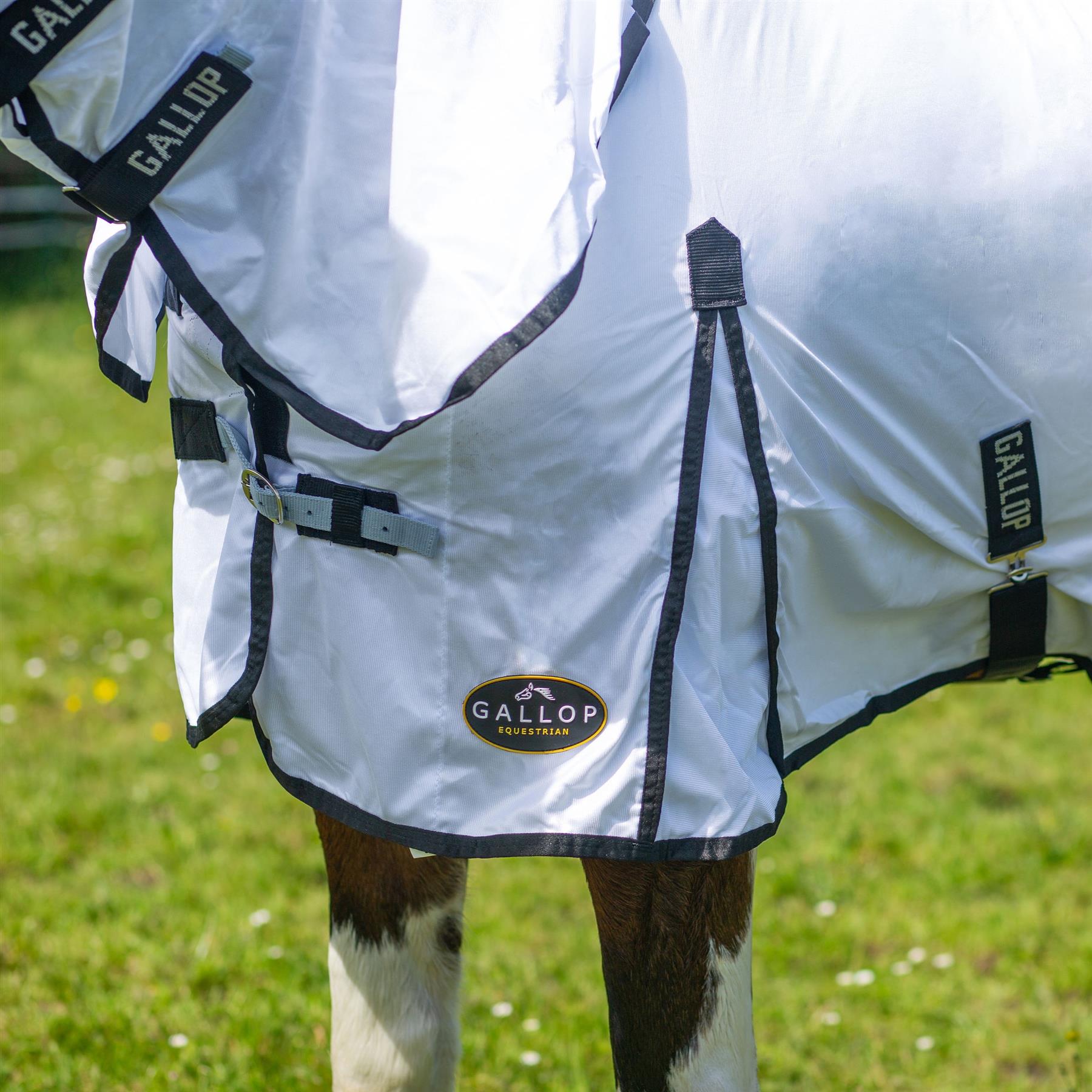
- Applying insect repellents, specifically designed for horses.
- Stabling horses at dawn and dusk when mosquitoes are most active to lessen exposure.
- Setting up screens or fans in barns to keep mosquitoes at bay.
The Importance of Surveillance and Awareness
Staying informed is crucial. Organizations like the EDCC and Texas A&M Veterinary Medical Diagnostic Laboratory (TVMDL) not only track WNV outbreaks but also provide updates whenever new cases emerge. This timely information helps veterinarians and horse owners to react proactively, minimizing potential outbreaks.Steps for Horse Owners:
Despite the threats WNV poses, horse owners are far from powerless. Here’s a step-by-step guide to staying vigilant:- Stay updated: Regularly consult local and state surveillance reports to assess the WNV activity in your area.
- Vaccination: Ensure your horses are on track with their vaccination schedule, particularly in high-risk areas.
- Control mosquito exposure: Regularly check and eliminate potential mosquito breeding sites.
- Monitor health: If your horse exhibits any neurological symptoms, contact a veterinarian immediately.