Effective Strategies to Prevent Horseshoe Loss
For those in the equine world, the frustration of dealing with a lost horseshoe is all too familiar. Horseshoe loss does not just mean an extra expense or inconvenience; in many cases, it can significantly affect the horse's performance and well-being. Understanding the underlying causes and employing comprehensive strategies to avert such losses is crucial for both horse owners and caretakers.
Understanding the Causes of Horseshoe Loss
Horseshoe loss can arise from a variety of factors, ranging from errors during shoeing to environmental influences. Recognizing these factors is the first step in crafting an effective prevention strategy.
1. The Role of the Farrier
While we all like to think our farriers are like magical hoof fairies, the reality is that sometimes farrier errors are to blame for shoe loss. Inadequate shoeing techniques, such as improper fitting or nails not being placed correctly, often result in lost shoes. According to the experts, ensuring that the hooves are well-prepared with clean, level conditions during shoeing is crucial to avoid these mishaps.
2. Techniques for Riders and Managers
Improper riding techniques can lead to the horse stepping on its shoes. Furthermore, poor management practices, such as neglecting regular hoof care or exposing the horse to unsuitable environmental conditions, can exacerbate the issue. A bit of attention to training and regular care can make a substantial difference in retaining those pricey horseshoes.
3. Environmental Challenges
The environment is not always our friend when it comes to keeping shoes on a horse. Wet or muddy conditions cause hooves to soften, and we all know that soft hooves and nails do not mix well. Strategies like creating mud pads or avoiding high-mud areas can be surprisingly effective in keeping those shoes on securely.
4. Behavior and Conformation Considerations
Let’s face it, horses can be playful creatures, and certain behaviors can lead to shoe loss. Overstepping or an overly enthusiastic gallop could mean saying goodbye to a shoe. Furthermore, conformation issues might predispose a horse to lose shoes. Adjusting turnout conditions and using protective gear like overreach boots could help minimize these mishaps.
Prevention: An Integrative Approach is Key
Now that we have dissected the causes, it’s time to look at the solutions. Preventing horseshoe loss involves a holistic approach involving several fronts.
1. The Farrier's Toolbox
Ensuring that farriers have the appropriate conditions and tools is essential. Regular trimming and shoeing, typically every four to six weeks, can prevent many hoof problems. After all, a well-trimmed hoof is a happy hoof, and a happy hoof is much less likely to chuck its shoes.
2. Techniques for Owners and Caretakers
Utilizing protective gear is a proactive step. Items like overreach boots can thwart self-inflicted shoe loss. Environmental management is also significant. Reducing exposure to mud and ensuring the horse’s surroundings are dry and stable are proactive measures any horse owner can undertake.
3. Nutritional Considerations
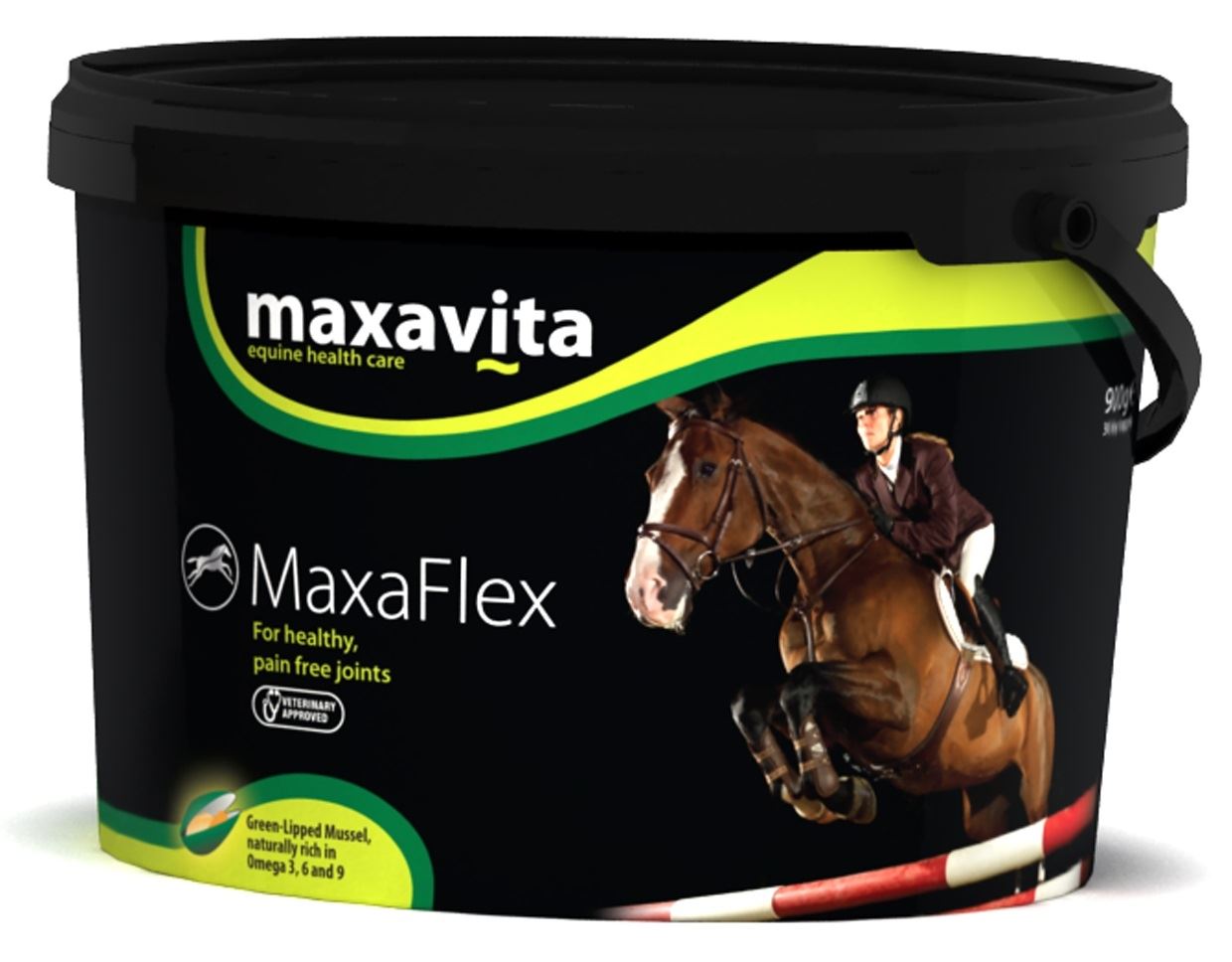
A horse’s diet may not be the immediate thought when considering shoe retention, yet a balanced diet rich in hoof supplements can bolster overall hoof health. A strong, resilient hoof is much less likely to part ways with its shoe.
Final Thoughts: A Unified Approach for Prevention
Understanding the multilayered causes behind horseshoe loss is the cornerstone of effective prevention. By marrying knowledgeable farriery with savvy management and a watchful eye on environmental factors, you can significantly reduce the frequency of shoe loss. While each horse is unique and might lose a shoe for diverse reasons, a well-rounded strategy can keep those beloved hoof protectors in place far longer.
Exploring Further Avenues
For those eager to delve deeper, several areas of research merit attention. Exploring progressive farrier techniques, environmental adaptations, and the impact of nutrition on hoof health opens up numerous possibilities for improvements in equine welfare. The equestrian industry continuously evolves, and each innovation leads us to more effective and thoughtful care for our equine companions.
For more in-depth reading, refer to articles like those found on Practical Horseman and The Horse.