Equine Infectious Anemia: A Silent Threat to Horses
Equine Infectious Anemia (EIA) is making headlines again with a recent case in Santa Clara County, California. A 5-year-old Quarter Horse gelding tested positive for this severe viral disease, reminding horse owners everywhere of the persistent threat EIA poses. The affected horse has been quarantined to prevent potential outbreaks. Let's delve into the nature of EIA, its transmission, and the practical steps we can take to mitigate its impact.
Understanding EIA and How It Spreads
As a chronic viral infection, EIA severely compromises a horse's immune system. Unfortunately, this disease is likened to the common cold—here to stay with no existing vaccine or cure. Symptoms can include fever, anemia, depression, and progressive weight loss, leading to a significant decline in health. Infected horses, much like that antisocial kid at prom, become lifelong carriers.
Transmission of EIA occurs primarily through blood-feeding insects or contaminated medical equipment. After all, who can resist a blood-drinking mosquito at sunset or convenient shared needles? The Santa Clara case, suspected to stem from contaminated medical instruments, highlights iatrogenic transmission’s role, particularly in unsanctioned racing environments. A few facts to chew on: in Riverside County alone, a similar incident led to the quarantine of 25 involved horses, serving as a sobering reminder of the virus's reach.
Impact on Californian Regions and Beyond
The Golden State, while home to Hollywood glitz and Disneyland magic, has seen numerous EIA cases across its counties. Historical occurrences in Riverside and Los Angeles Counties indicate that Quarter Horses, especially those in racing circuits, are frequently affected. Between 2022 and 2026, California has repeatedly witnessed EIA outbreaks, illustrating the disease's consistent threat and danger of neglecting preventive measures. This pattern stresses the crucial role of vigilance, testing, and adherence to health protocols to maintain the intricate web of state equine activities without disruption.
Managing EIA: The Role of Quarantine
The USDA EIA program enforces strict guidelines for horses that test positive, mandating either euthanasia or lifelong quarantine. In Santa Clara, authorities wisely chose the quarantine route. As they say, distance makes the heart grow fonder—except when it comes to infectious diseases. These rigorous standards, enforced through partnering organizations like the Equine Disease Communication Center (EDCC), help in quick disease reporting and management, maintaining the health of fellow equines.
Keeping EIA at Bay: Prevention Strategies
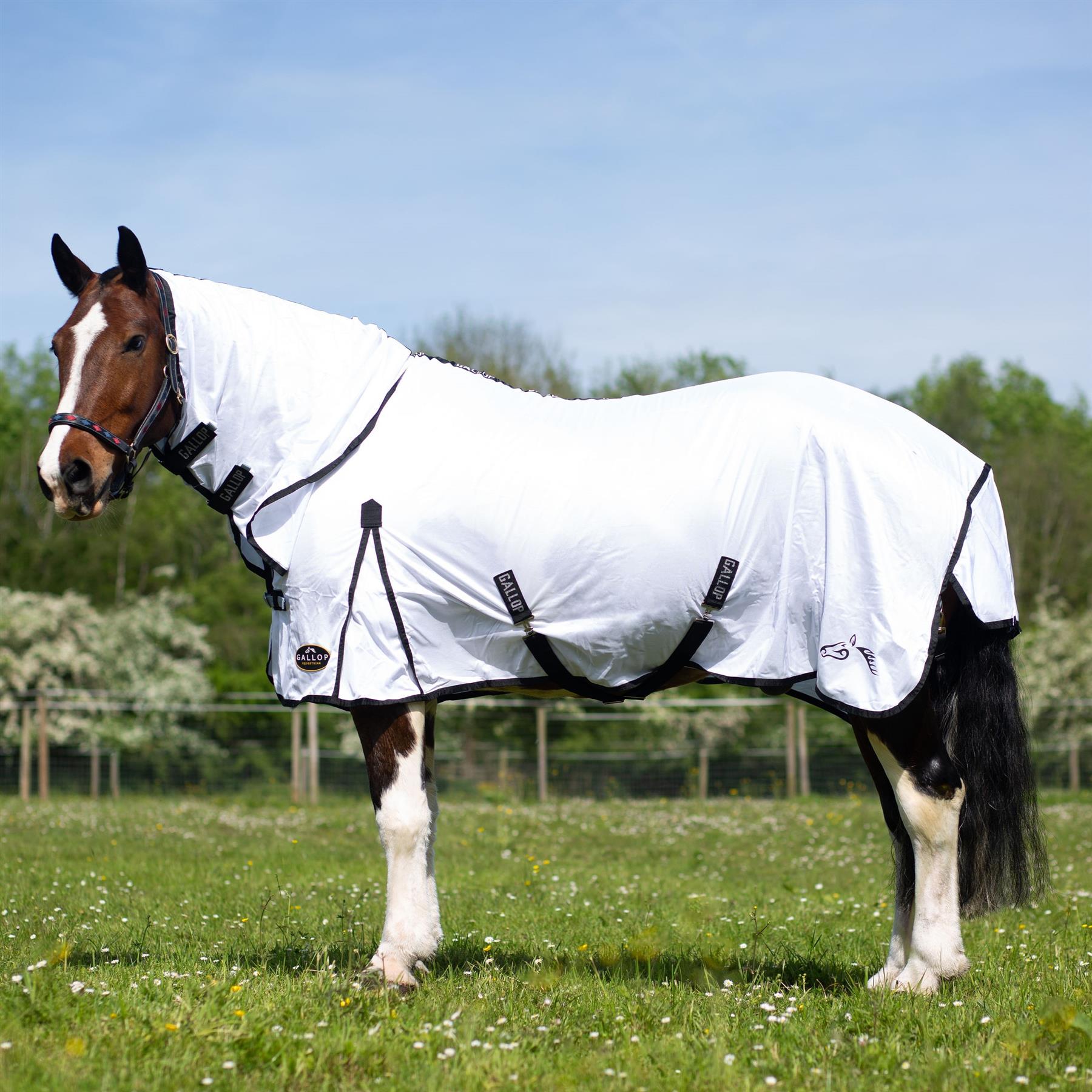
Without a cure in sight, prevention takes center stage. Enter the Coggins test, a lifesaver (literally) for owners in the battle against EIA. This blood test detects EIA antibodies and is a must for any traveling horse—be it crossing state lines or taking part in a local show. Responsible horse ownership involves taking preventive measures like regular testing for high-risk equine groups, using single-use needles, and vigilantly disinfecting equipment. Let’s not forget to erect defenses against those pesky blood-sucking insects, ensuring that these tiny aviators don't play proxies to infection.
Speaking of defense, the EDCC continuously promotes awareness programs and urges horse owners to remain on alert for EIA's presence. Prevention not only secures individual horse welfare but also mitigates regional outbreak repercussions that could threaten equine industry stability and disrupt operations.
The Bigger Picture: EIA's Impact on the Equine Industry
Beyond the personal heartaches and challenges of affected horse owners, EIA deals a considerable blow to the broader equine industry. It reminds us that an ounce of prevention is worth a pound of cure, albeit seasoned with a little less sarcasm when disease-induced quarantines ground horses and cancel events, leading to financial ramifications. With the right strategies, rigorous testing, and vigilant awareness, owners, and professionals can protect their prized horses and sustain industry continuity.
Equine Infectious Anemia may be a formidable foe, but with diligence, education, and awareness, the horse community can keep this unwanted hitchhiker at bay. By arming ourselves with knowledge and employing calculated measures, we can ensure that our beloved horses remain healthy and spirited—free to frolic, compete, and thrive without this viral shadow looming. After all, the equine spirit, much like that of its caretakers, is resilient and unwavering.
References:
Based on content from thehorse.com and practicalhorseman.com.