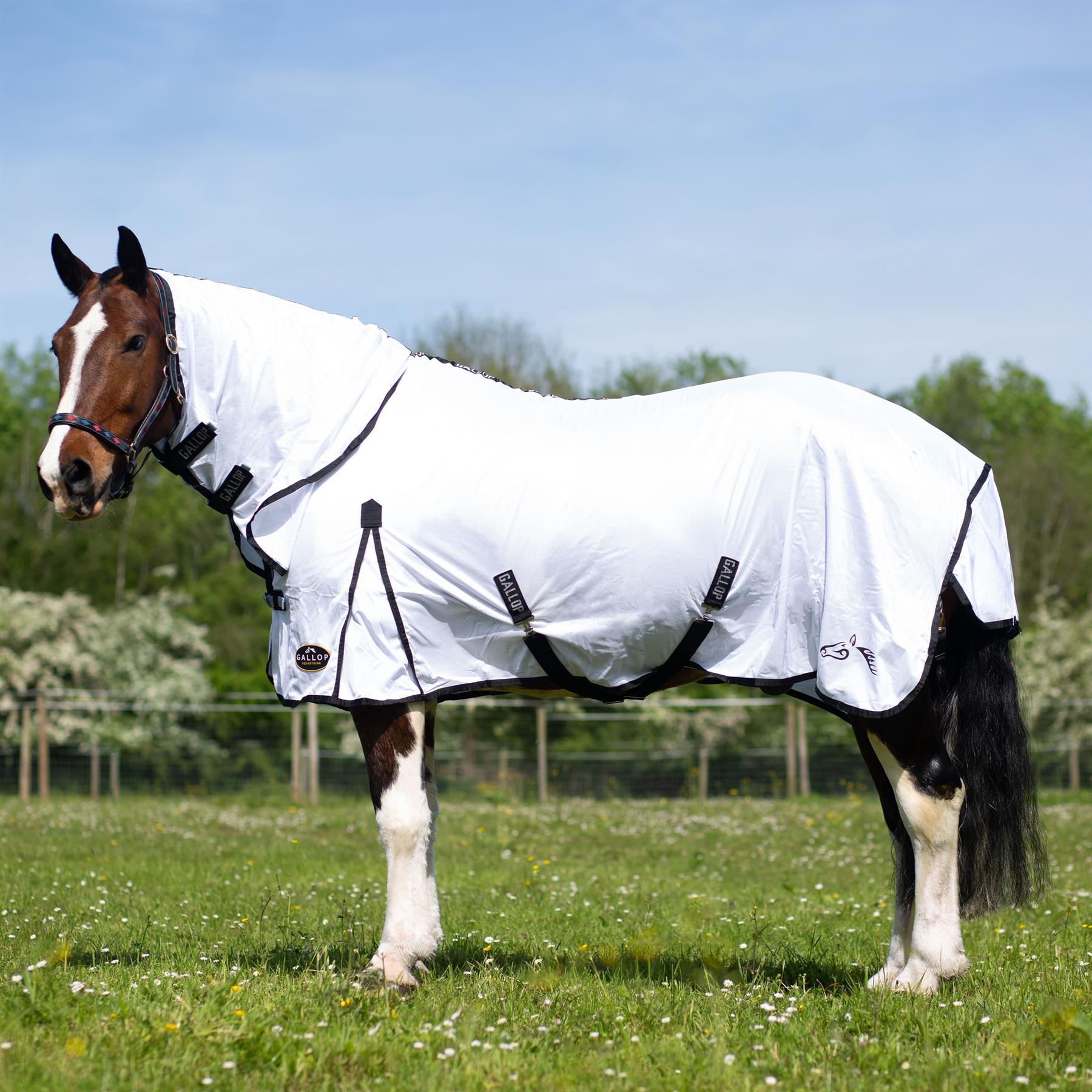
The Evolution of Equine Care: Merging Tradition with Technology
Gone are the days when horse care solely relied on the intuition of an experienced eye. Welcome to a brave new world where biometric sensors, AI-driven analytics, and innovative wearables are taking equine health and performance to new heights. Let's explore how technology is revolutionizing horse care from elite racing tracks to everyday stables.
Harnessing Tech Innovation in Horse Keeping
Traditionally, technologies such as StrideSAFE were limited to high-stakes environments like race tracks. Developed by Dr. David H. Lambert, this breakthrough uses accelerometer sensors to quantify and predict injury risks, translating a jockey's instinct into objective data points. StrideSAFE collaborates with tech companies such as Arioneo and Kentucky Equine Research to explore if sensors can avoid catastrophic injuries, making it a staple in both elite and casual equestrian spheres (source).
Wearables for Comprehensive Monitoring
Think of horse wearables today, and you're imagining a digital vet at work. Tools range from the Horsepal HRM G2 for tracking heart rate and vitals, to the EQUIMO GPS trackers for performance analytics. Even the Consteed Smart Horse Sneaker makes its appearance, equipped with seven sensors to detect gait anomalies. These technologies bring high-end monitoring to ordinary stables, fueling a data-driven approach to equine care.
Artificial Intelligence: Decoding Equine Body Language
AI stands as the translator between raw data and valuable insights. Machine learning models, often confusing to the uninitiated, interpret this data to discern behavioral cues and health indicators. The EQUISYM system exemplifies this, employing support vector machines to pin down lameness from asymmetry indices (source). By linking smart halter sensors to glycemic responses, the tech marries nutrition with well-being.
Rider Safety Gets a Technological Upgrade
Advancements are not restricted to horses alone. Rider safety gear, like the Horse Pilot E-Twist’Air airbag vest, delivers protection with flair. It inflates rapidly upon detecting a fall, thanks to sensors capturing over a thousand measurements every second. Riders can now saddle up with an extra layer of reassurance, proving tech's versatility in equestrian life.
Balancing Innovation with Tradition
Despite the wonders of AI, its effectiveness hinges on the quality of data inputs. Aiming for problem-driven solutions rather than letting tech glamour lure us, the equine world is encouraged to combine traditional horsemanship with modern innovations. Whether through smartphone apps for saddle fit or automated climate control systems in stables, this blend enhances understanding and empathy with our four-legged companions.
Challenges and the Roadmap Ahead
As we pivot to a high-tech future, challenges such as data reliability and privacy pop up like trotting ponies. However, anticipated developments like implantable chips, VR simulators, and subscription-based training plans promise an ethical and balanced approach to equine care. These innovations are anticipated to reduce injury, boost performance, and deepen insights into equine welfare, all while ensuring ethical handling of sensitive data.
This fusion of technology and equine care heralds a promising era, reducing the risk of injury while increasing performance outcomes. Although the realm of sensors and AI seems foreign to some horse enthusiasts, its potential to harmoniously exist alongside traditional practices remains promising.
Who knew that a tryst with technology could bring us closer to understanding these majestic animals? The future of equine care lies not just in embracing modern science but also in keeping the spirit of horsemanship alive amidst these digital advances.