Tackling Equine Infectious Anemia Understanding Prevention And Management
Understanding Equine Infectious Anemia: A Persistent Equine Threat
Equine Infectious Anemia (EIA) remains a pressing concern for horse owners and veterinarians. This viral disease is as elusive as a jockey in the Kentucky Derby, often presenting without symptoms while posing a serious threat to equine health. Recently in Alberta, Canada, two horses tested positive for EIA, putting the spotlight back on the disease. If you're a horse lover or just someone intrigued by infectious diseases, here's what you need to know about EIA.
What is EIA?
Known as the "equine HIV," EIA affects the immune system of horses, donkeys, and mules. The virus, unfortunately, does not discriminate, turning its equine hosts into lifelong carriers. Once infected, a horse can spread the disease through bodily fluids, primarily thanks to biting insects or contaminated instruments. This makes EIA a tricky customer that demands aggressive management practices.
Deciphering the Symptoms of EIA
Spotting EIA is akin to finding a needle in a haystack; the symptoms can be subtle or entirely absent. Common indicators include fever, depression, anemia, and muscle weakness. Sometimes, more obvious signs like edema and red spots on mucous membranes may appear, but these are the exception, not the rule. Given the lack of manifestation in many infected horses, reliance on diagnostic tests like the Coggins test is crucial.
Transmission: The Hitchhiker's Guide to EIA
Transmission of EIA is largely mechanical. Horses don't swat flies for fun; they're actually trying to dodge viral bullets. Biting insects like horseflies and deerflies carry EIA on their mouthparts, effectively spreading the virus from horse to horse, much like sharing a cocktail straw – not recommended! Additionally, iatrogenic transmission from contaminated needles or veterinary instruments adds another layer of complexity in controlling the disease.
Breaking the Chain: Management and Control
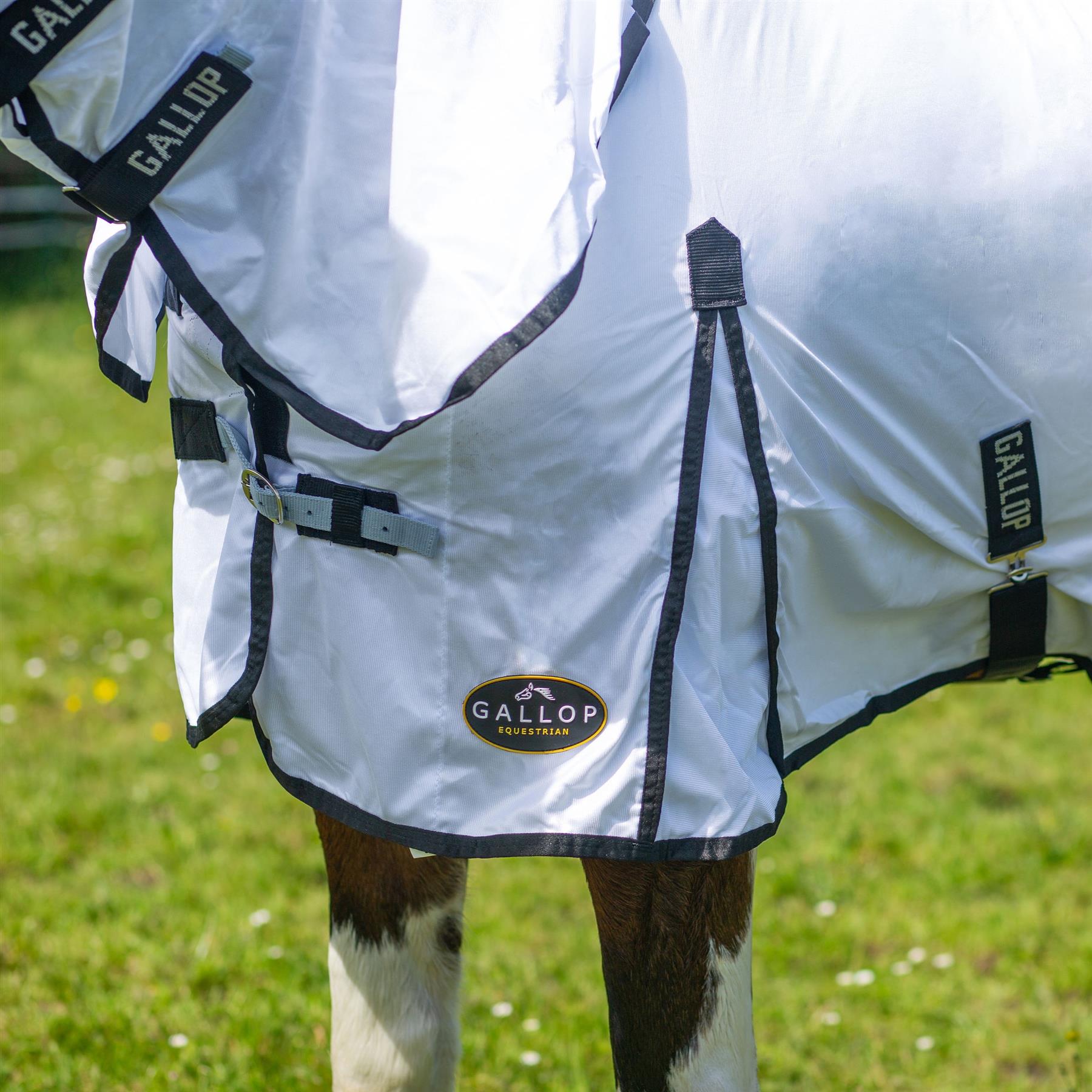
Since there's neither a cure nor a vaccine, managing EIA revolves around prevention. Vector control through insecticides and fly sheets is as essential as morning oats at the stable. Moreover, ensuring all medical tools undergo sterilization reduces iatrogenic risks. Testing each horse with the Coggins or ELISA tests plays a pivotal role in keeping the herd healthy. Importantly, infected horses must be quarantined, as dictated by the Canadian Food Inspection Agency, to prevent any further spread.
Impact on the Horse Industry
Equine Infectious Anemia is akin to that uninvited guest who ruins every party; it disrupts both domestic and international horse trade. With no cure in sight, regulatory bodies enforce stringent biosecurity measures to contain the infection. The economic implications are considerable, affecting not only the movement but also the reputation of the equine industry worldwide.
The Unsung Heroes: Disease Management Organizations
Organizations like the Equine Disease Communication Center (EDCC) are the unsung heroes in this ongoing battle against EIA. By providing timely updates and leveraging resources, the EDCC helps coordinate efforts across borders and sectors. Their role in disseminating accurate information is crucial for maintaining proactive disease management and ensuring the health of our beloved horses.
The Bottom Line
Equine Infectious Anemia, while a daunting adversary, is manageable with the right protocols. By understanding its transmission and dedicating resources to preventive management, the equine health community can continue to combat this tenacious virus. As we ride into the future, it’s essential to stay informed, vigilant, and, let’s be honest, a bit obsessive about our horses' health.
For more in-depth information, you can refer to resources like the Merck Veterinary Manual.