West Nile Virus in Equines: A Persistent Threat
Despite significant advances in veterinary science, West Nile Virus (WNV) continues to pose a grave threat to horse populations, particularly in regions such as Utah. With recent reports of three horses testing positive for WNV across San Juan, Summit, and Tooele counties, awareness and preventive measures remain as crucial as ever.Understanding West Nile Virus
West Nile Virus is a mosquito-borne disease that affects horses, humans, and other animals. In equines, the virus can manifest with a range of clinical signs—from mild flu-like symptoms to severe neurological deficits. These can include ataxia, weakness, and in drastic cases, symptoms severe enough to necessitate euthanasia. The mortality rate among infected horses can reach up to 40%, making it a disease of significant concern.The Cases in Utah: What We Know
The recent WNV cases in Utah illustrate the ongoing challenges in managing this disease. In San Juan County, a pregnant Quarter Horse mare displayed forelimb ataxia despite receiving some vaccination. Another case in Summit County involved a 3-year-old Quarter Horse filly who developed weakness and ataxia. Fortunately, she is on the road to recovery following hospitalization. Tragically, an unvaccinated gelding in Tooele County exhibited severe symptoms and was euthanized. These cases highlight the critical importance of vaccination. Horses that are under-vaccinated or not vaccinated are particularly vulnerable to severe outcomes when exposed to WNV.Preventive Measures: Beyond Vaccination
The cornerstone of WNV prevention is vaccination, especially in areas with prevalent mosquito activity. Annual booster shots significantly reduce the risk of severe disease in horses. However, there are additional steps that horse owners can take to protect their animals:- Eliminate mosquito breeding grounds: Remove stagnant water from troughs, containers, and other potential breeding sites.
- Use mosquito repellents: Apply equine-safe repellents to horses during mosquito season.
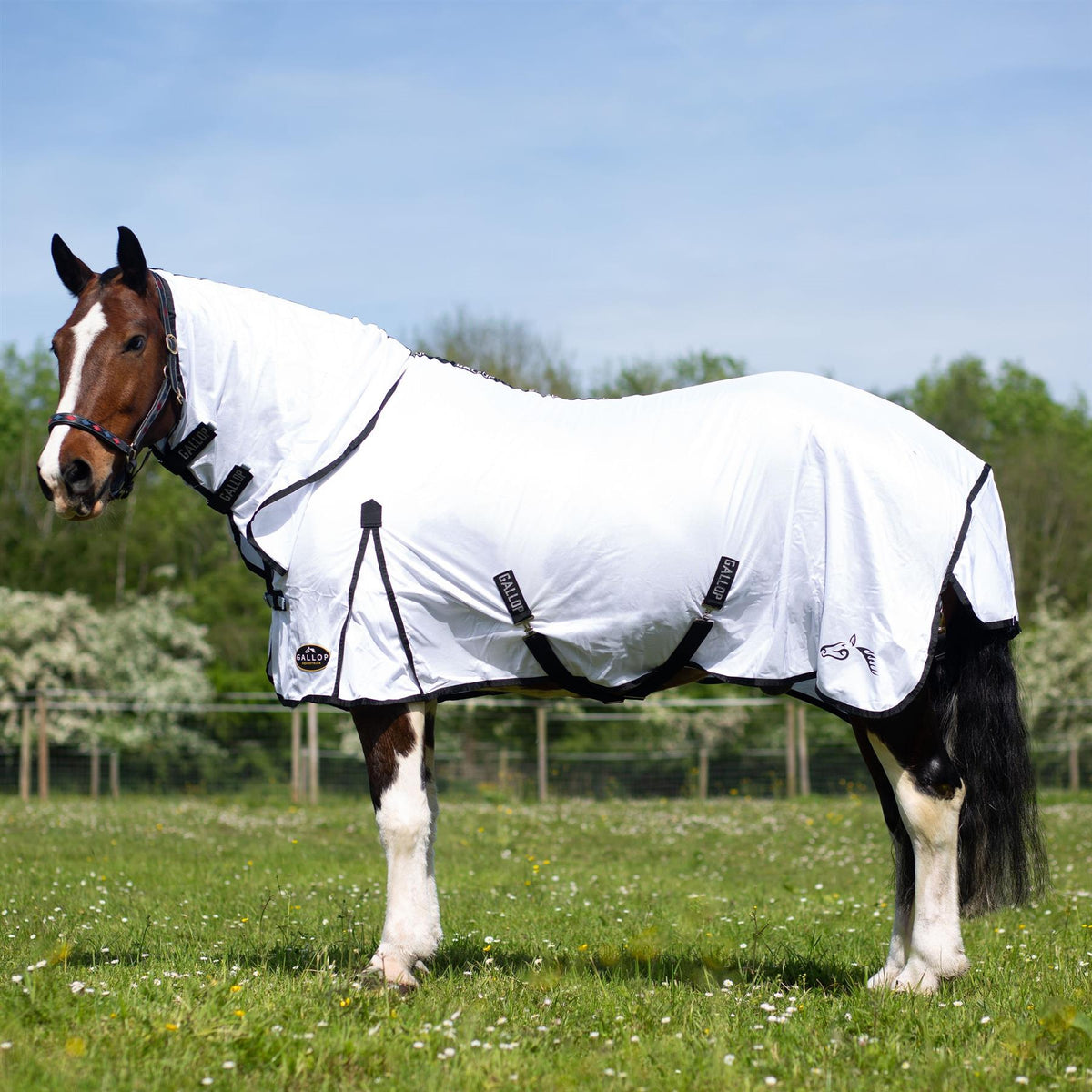
- Manage stable environments: Ensure barns and stables are equipped with mosquito nets and other protective measures to reduce mosquito exposure.
- Timing matters: Avoid letting horses out during peak mosquito feeding times, usually dusk and dawn.
The Role of the Equine Disease Communication Center
The Equine Disease Communication Center (EDCC) has played a pivotal role in disseminating information about WNV and other infectious diseases. As a nonprofit organization, the EDCC works to provide reliable updates, helping veterinarians and horse owners make informed decisions about disease prevention and management. The EDCC's efforts underscore the crucial role of vigilance and informed action in combating vector-borne diseases in equine populations.Future Directions for Research and Management
To enhance our response to WNV and similar diseases, further research is necessary. Here are some promising areas for investigation:- Evaluate the effectiveness of current vaccines and explore new developments.
- Study geographic variations in WNV incidence to identify high-risk areas.
- Examine the impact of climate change on the prevalence and distribution of vector-borne diseases.
- Assess the efficacy of integrated pest management strategies in reducing mosquito populations around equine facilities.