The Art and Science of Equine Nutrition: A Delicious Way to Horse Health
When it comes to horse health, the saying "You are what you eat" isn't just for humans. Equine nutrition plays a crucial role in maintaining horse health, welfare, and performance. This balanced diet must meet various physiological and activity demands, just like how we ponder whether pizza counts as a vegetable.
Forage First: The Foundation of Equine Nutrition
For horses, forages should constitute at least 1.5%-2% of their body weight on a dry-matter basis each day. This is essential for maintaining a healthy digestive system and optimal nutrient absorption. Picture this: for horses, forages are the belly-friendly equivalent of our fiber-filled multigrain bread.
Common forages include pasture grasses, legumes, and good ol’ preserved hay. Their role in providing essential fiber supports microbial fermentation in the horse's hindgut. This produces volatile fatty acids, a critical energy source. Imagine your horse snacking on nature’s energy bars - but without sugar!
The Delicate Dance of Digestive Health
Intensively managed equine athletes, like The Flash of the equine world, the Thoroughbred racehorses, often experience reduced grazing time. Highly concentrated grain diets could lead to maladies such as gastric ulcers, colic, and laminitis. These digestive disorders emphasize the need for feeding behaviors that mimic natural foraging.
Effective strategies include feeding small, frequent meals of hay, using alfalfa for its buffering calcium and protein benefits, and soaking hay to reduce dust. They help prevent stomach rumbles and dare I say, "hay-fter" - hay laughter? (Okay, that one might be a stretch).
Protein: The Building Block of Equine Fitness
Now, let’s chew the cud on protein. It's vital for muscle development, growth, and lactation. Protein needs vary by age and physiological state, proving that one size definitely does not fit all.
A protein deficiency may reveal itself in lackluster coats and weight loss, while excessive protein can risk dehydration due to increased urination. Protein should be balanced just right, like a Goldilocks decision between an alfalfa and soybean meal.
Supplementing with Finesse
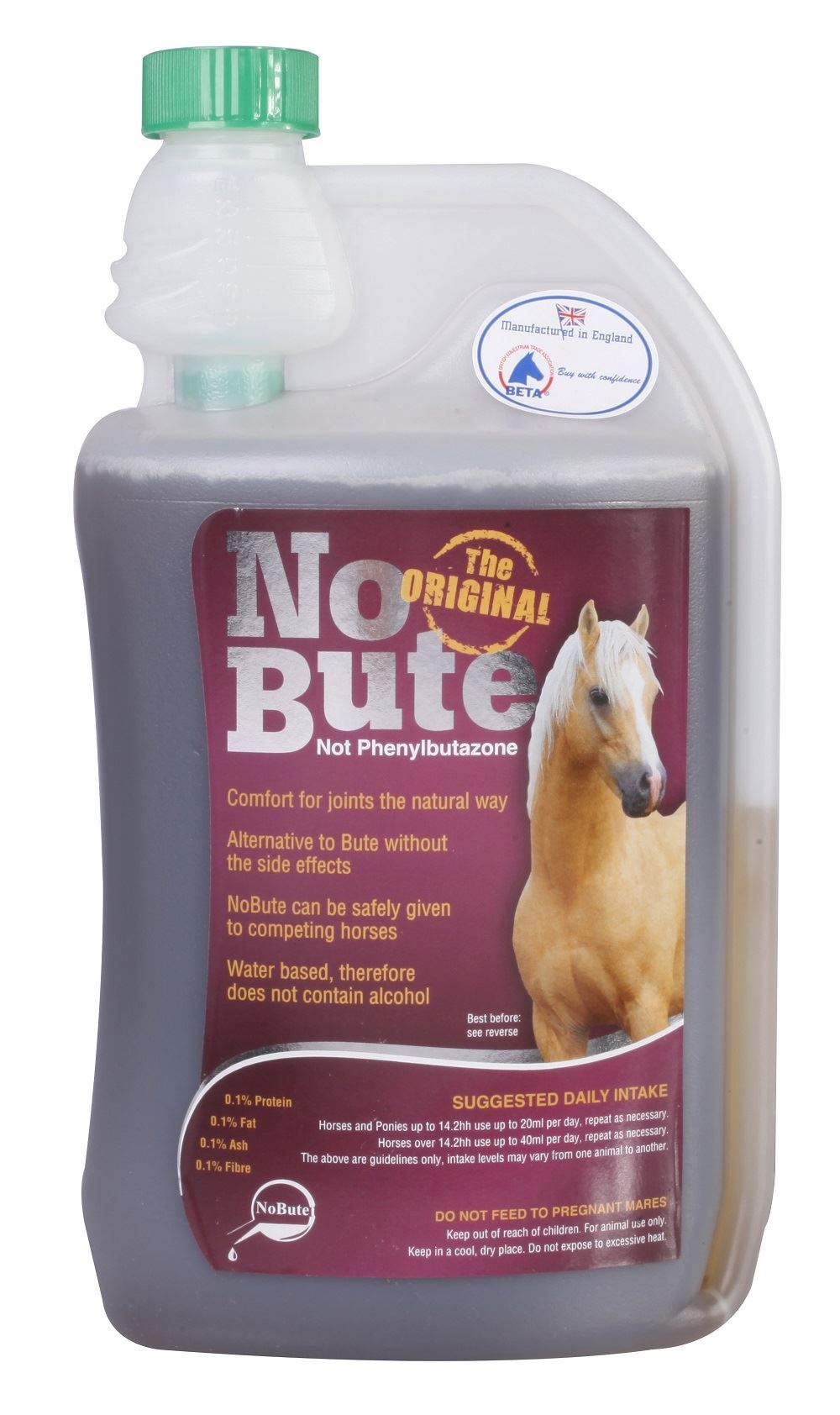
Emerging research into dietary supplements is exciting - as thrilling as discovering a new coffee flavor (hint: pumpkin spice isn't just for autumn). Supplements like camelina, flaxseed, or canola oils significantly aid in improving coat quality, thanks to omega-3 fatty acids.
Even botanical wonders like ellagic acid may work wonders in boosting gut microbial diversity, enhancing nutrient digestibility, and improving growth. It's akin to probiotics for horses, without those fashionable yogurt ads.
Customizing for Performance
For performance horses, their diet must be a well-composed symphony matching exercise type and intensity. Aerobic activities rely on fats (yay, free fatty acids), while anaerobic ones demand glucose from carbohydrates.
Ensuring a balanced energy supply while keeping feeding times intact ensures that performance does not suffer. It's similar to not skipping breakfast before a grueling morning workout!
In summary, successful equine nutrition aims at:
- Prioritizing forage intake for a happy hindgut and sound digestive function.
- Balancing nutrients — proteins, carbohydrates, fats — tailored to life stages and activity levels.
- Thoughtfully incorporating supplements that support coat and gut health.
- Adopting feeding management practices that ward off gastrointestinal issues.
- Designing diets that cater to athletic needs, ensuring the horse wins its race without digesting the field!
This comprehensive nutritional approach not only caters to the physical demands of horses but makes sure they neigh "Hurray" at every meal!