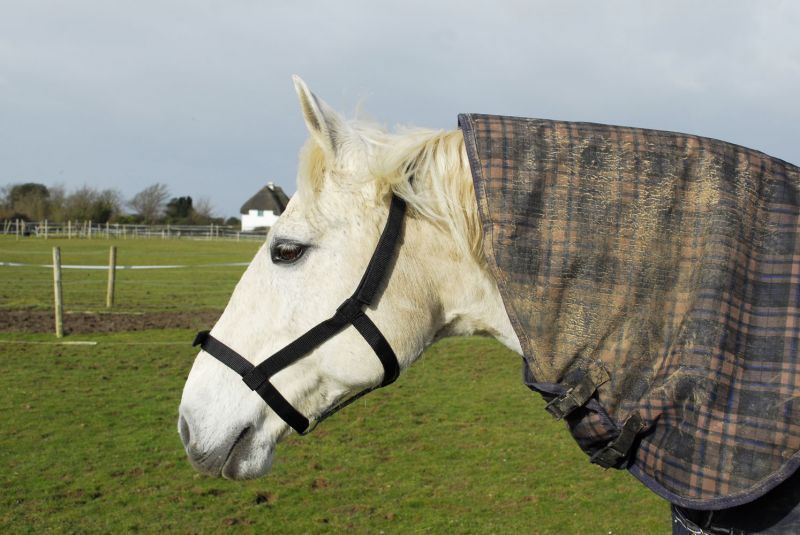
The Tragic Tale Of A Young Horse Struck By Strangles In Ontario
A Young Horse's Tragic Encounter with Strangles
In Grey County, Ontario, a young Gypsy Vanner filly met an untimely death due to an equine disease that continues to haunt horse farms: strangles. This highly contagious bacterial illness, caused by Streptococcus equi subspecies equi, remains a major headache for horse handlers, trainers, and owners alike.
The Disease That Caught Everyone Off Guard
Strangles spreads with the speed of a racing horse, often outpacing efforts to contain it. The disease travels from horse to horse through direct contact or indirectly through contaminated environments and objects. In the case of the young filly, the infection path was traced to a fellow equine returning from a training facility where an outbreak had already made an unwelcome mark. Remarkably, only a senior pony among all the horses at the facility managed to avoid the disease, though it continued to receive supportive care.
Recognizing the Symptoms
The sudden emergence of strangles symptoms in horses can be alarming. Typical features include:
- High fever
- Swelling of lymph nodes
- Nasal discharge
- Development of abscesses
- Loss of appetite
- Difficulty swallowing
- Notable weight loss
Unfortunately, the Grey County filly exhibited advanced signs: multiple draining abscesses, persistent fever, and wasting, which ultimately led to her demise despite all efforts at treatment.
Managing the Illness
Strangles management relies heavily on early detection and intervention. Veterinarians may employ polymerase chain reaction (PCR) tests using nasal swabs or material from abscesses to confirm the diagnosis. For mild cases, supportive care tends to suffice. However, more severe infections can demand antibiotics, though their improper use may prevent horses from building natural immunity. The recovery journey can be long and involved, requiring further testing to ensure the infected horse is no longer spreading the bacterium.
Biosecurity: A Crucial Line of Defense
Prevention through biosecurity is the first line of defense when facing an outbreak of strangles. Effective measures include:
- Quarantining incoming horses
- Isolating affected animals promptly
- Avoiding shared equipment
- Regularly disinfecting stalls and utensils
- Keeping a close watch on equine temperatures
- Allowing minimal contact among horses during flare-ups
Close collaboration with veterinary experts is crucial for implementing successful containment strategies and monitoring protocols.
The Vaccination Debate
Vaccinations do exist for strangles, promising some level of protection. However, their efficacy can vary. While vaccines are not foolproof, they are an important element in the larger framework of disease prevention, particularly in high-risk settings. It's important to note that vaccination should complement rather than replace biosecurity measures.
A Wake-Up Call for Horse Enthusiasts
This unfortunate incident serves as a sobering reminder of the vigilance required to manage equine health effectively. Strangles can spread like wildfire, often leading to severe disease and in some instances, death. For horse owners and facilities, the message is clear: maintain strong, proactive biosecurity measures, and engage veterinarians without delay at the first sign of trouble.
In conclusion, the fate of the Ontario filly underlines the importance of early detection, appropriate treatment, and preventative strategies in combatting strangles. This youngster's story, while tragic, is a poignant reminder of the diligence required to safeguard the health of our equine companions.
References:
- [TheHorse.com/news](https://thehorse.com/news/)